
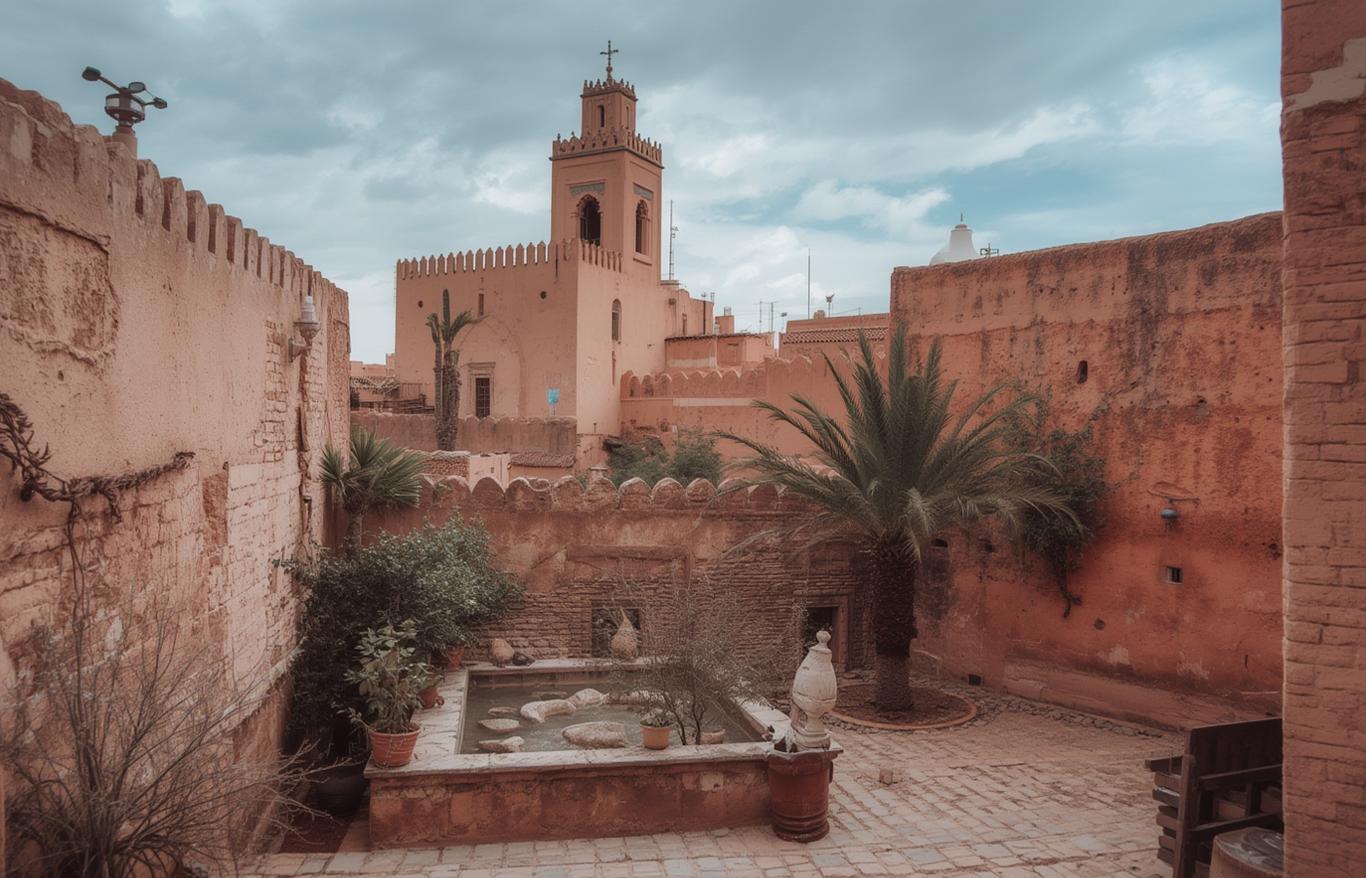
Stepping into Marrakech feels like walking through a portal where centuries collide in the most vibrant way possible. The marrakech morocco attractions aren’t just places you visit—they’re experiences that pull you into the heartbeat of Morocco’s most intoxicating city. From labyrinthine souks where artisans hammer copper under arcade shadows to tranquil gardens that offer sanctuary from the midday sun, Marrakech delivers a sensory overload that somehow leaves you craving more. This ancient imperial city manages to be both overwhelming and utterly captivating, blending Berber traditions with Arab influences and adding just enough modern flair to keep things interesting.
The Medina’s Living Maze: Where Every Turn Reveals Something Extraordinary
Getting lost in Marrakech’s medina isn’t just likely—it’s practically guaranteed, and that’s exactly how it should be. The UNESCO-listed old city sprawls across roughly 600 hectares of narrow alleyways, hidden riads, and bustling market squares. Unlike sterile tourist zones, this is a functioning neighborhood where residents buy their daily bread, children play soccer with makeshift goals, and donkey carts squeeze past oblivious tourists staring at their phones.
The souks divide themselves by trade, following medieval guild traditions that still make practical sense today. You’ll wander through entire sections devoted to leather goods in Souk Cherratine, where the pungent smell of tanned hides hits you before you even turn the corner. Nearby, Souk Haddadine rings with the rhythmic hammering of metalworkers creating everything from ornate lanterns to simple cooking pots using techniques passed down through generations.
What makes exploring the medina genuinely compelling isn’t the famous landmarks—those are impressive but expected—it’s stumbling upon a tiny hole-in-the-wall selling nothing but traditional Moroccan slippers, or watching an elderly man paint intricate geometric patterns onto wooden furniture in a workshop barely wider than his workbench. The key is leaving enough time in your schedule to actually get lost. The tight alleyways eventually funnel back toward major landmarks, and locals generally point lost-looking foreigners in the right direction with surprising patience.
Jemaa el-Fnaa: The Square That Never Sleeps
Calling Jemaa el-Fnaa just another city square wildly undersells what’s essentially Marrakech’s outdoor theater, dining hall, and social hub rolled into one chaotic spectacle. By day, it’s relatively subdued—snake charmers coax cobras from baskets, henna artists set up their stations, and orange juice vendors compete for your business with increasingly creative sales pitches. The real transformation happens as afternoon fades into evening.
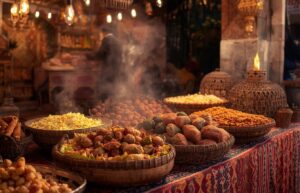
As sunset approaches, the square undergoes a complete metamorphosis. Food stalls materialize like a popup restaurant district, smoke rises from dozens of grills, and the smell of grilled merguez sausages and slow-cooked tagines fills the air. Traditional musicians circle around small crowds, Gnawa performers with their distinctive bass-heavy instruments create trance-inducing rhythms, and storytellers captivate audiences with tales told entirely in Arabic or Berber languages—yet somehow you find yourself drawn into the performance even without understanding a word.
The square operates on organized chaos. Each food stall has its assigned space, hustlers have their territories, and an unspoken hierarchy governs who sets up where. First-time visitors often feel overwhelmed by the constant attention from vendors, but there’s an art to navigating it. A polite “la shukran” (no thank you) works better than ignoring people, and showing genuine interest in what someone’s selling—even if you’re not buying—tends to shift interactions from transactional to conversational.
Gardens and Palaces: The Refined Side of Imperial Marrakech
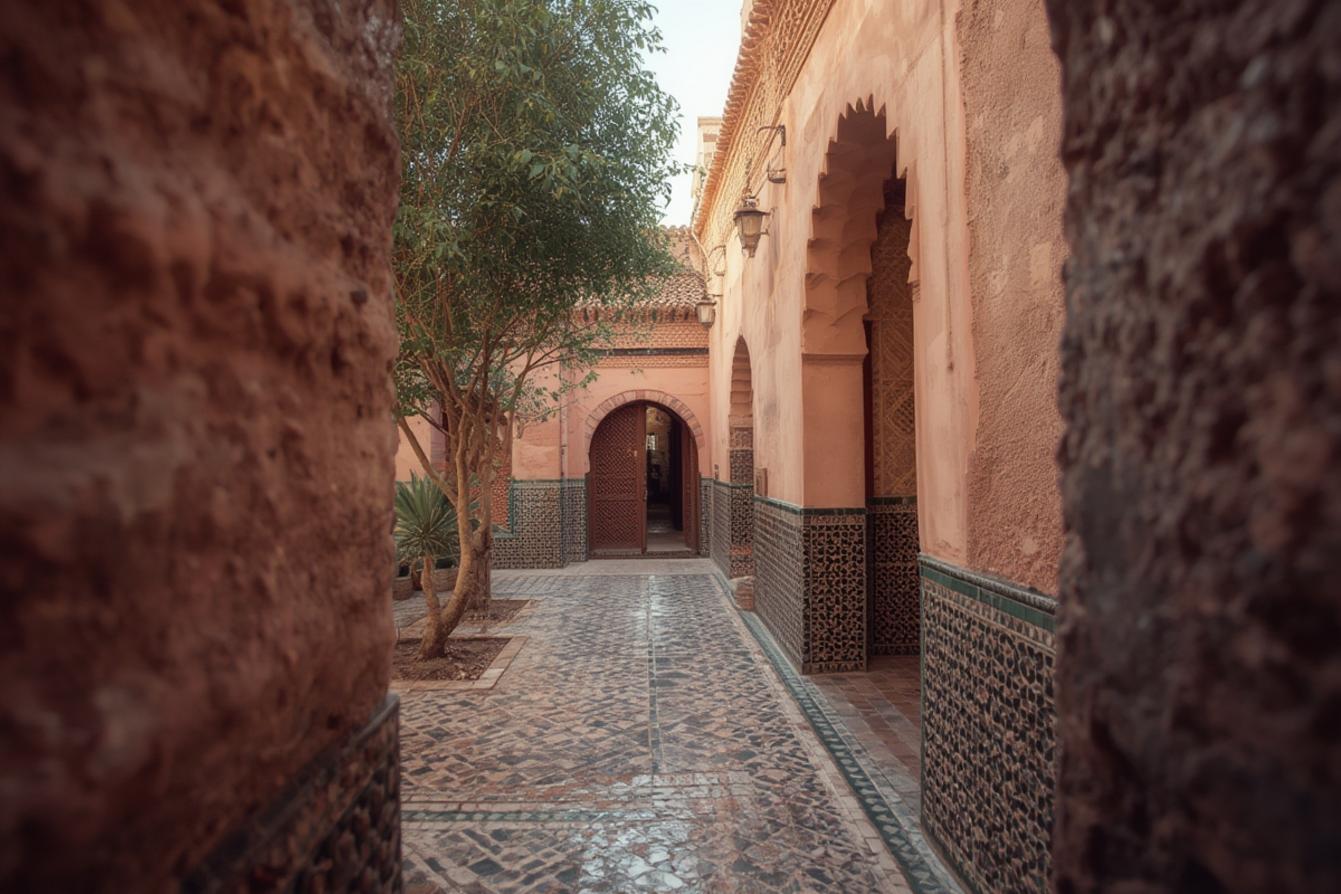
Beyond the medina’s sensory assault, Marrakech reveals a more contemplative character through its carefully cultivated green spaces and architectural showpieces. The Jardin Majorelle stands out as perhaps the most photographed garden in Morocco, and for good reason. French painter Jacques Majorelle created this botanical sanctuary in the 1920s, and fashion designer Yves Saint Laurent later restored it. The electric cobalt blue adorning buildings and features—now called “Majorelle Blue”—creates stunning contrasts against desert plants, bamboo groves, and cacti collections.
But Majorelle isn’t the only garden worth your time. The sprawling Menara Gardens, dating back to the 12th century, offer a completely different atmosphere. Here, locals outnumber tourists, families picnic under olive groves, and the reflecting pool mirrors the Atlas Mountains on clear days. It’s where Marrakech residents come to escape the city without actually leaving it.
The Bahia Palace delivers the architectural grandeur that Morocco does so well. Built in the late 19th century, this massive complex showcases the finest craftmanship of Moroccan artisans—carved cedarwood ceilings, zellige tile work that makes your eyes dance trying to follow the geometric patterns, and courtyards designed to maximize shade while maintaining elegant proportions. Unlike some heavily restored monuments, Bahia feels lived-in, probably because government officials still use parts of it for meetings.
For a more weathered and atmospheric experience, the El Badi Palace sits in magnificent ruin. Sultan Ahmad al-Mansur built this celebration of excess in the late 16th century using materials imported from as far as India and Ireland. Now mostly rubble and walls, it somehow feels more impressive than if it had been perfectly preserved. Storks nest atop the remaining structures, and climbing to the upper levels gives you sweeping views across the medina’s terracotta rooftops.
Authentic Marrakech Morocco Attractions Beyond the Guidebook Standards
While everyone flocks to the same handful of sites, Marrakech rewards those willing to venture slightly off the beaten path. The Mellah, the old Jewish quarter, presents a fascinating contrast to the Muslim medina. The architecture shifts noticeably—taller buildings with external balconies rather than internal courtyards, reflecting different cultural approaches to public and private space. The Lazama Synagogue still operates and welcomes respectful visitors, offering insight into Morocco’s Jewish heritage that many travelers overlook entirely.
The tanneries at Bab Debbagh provide one of those love-it-or-hate-it experiences that somehow defines traveling in Morocco. Yes, the smell hits hard—animal hides don’t cure into leather through gentle processes—but watching workers stand waist-deep in dyeing vats, using techniques essentially unchanged for centuries, connects you to craft traditions that fast fashion threatens to erase. Go in the morning when work is most active, and yes, accept the mint leaves offered to hold under your nose.
For a totally different vibe, the newer neighborhoods north of the medina present Marrakech’s contemporary face. Gueliz feels almost Mediterranean, with sidewalk cafés, art galleries, and boutiques selling modern interpretations of Moroccan design. It’s where young Marrakchis hang out, where you can find decent wine, and where conversation flows more freely than in traditional quarters. The contrast isn’t just interesting—it’s essential for understanding that Marrakech isn’t stuck in its imperial past.
Riads and Rooftop Terraces: The Architecture of Retreat
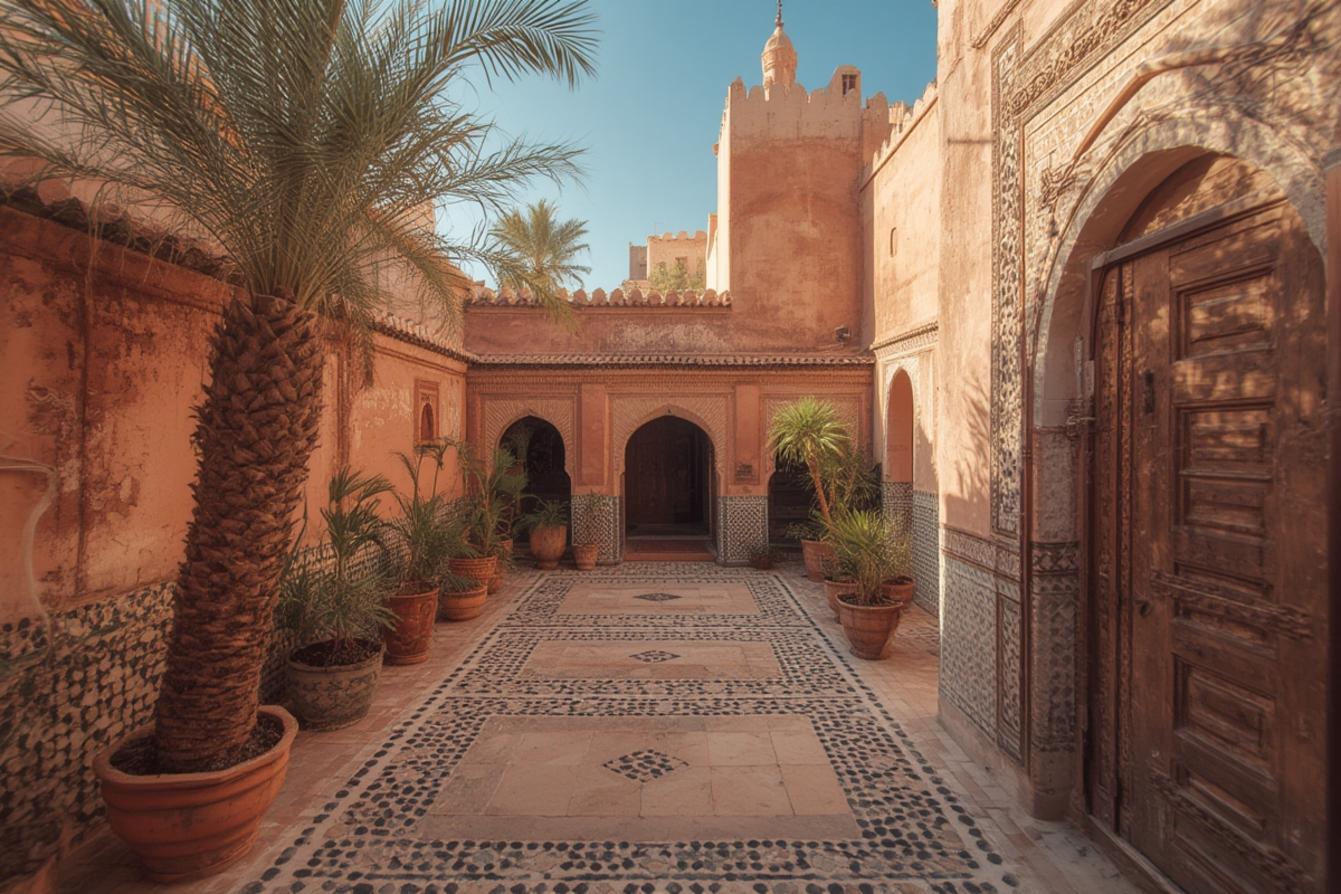
Traditional Moroccan architecture reveals its genius through riads—the medina houses built around internal courtyards that completely shut out street noise and chaos. From the narrow alley outside, these buildings reveal nothing. Step through the doorway, and suddenly you’re in a private paradise of fountains, orange trees, and rooms opening onto the central space. Many riads now operate as boutique hotels or restaurants, meaning you can experience this architectural magic even if you’re not staying overnight.
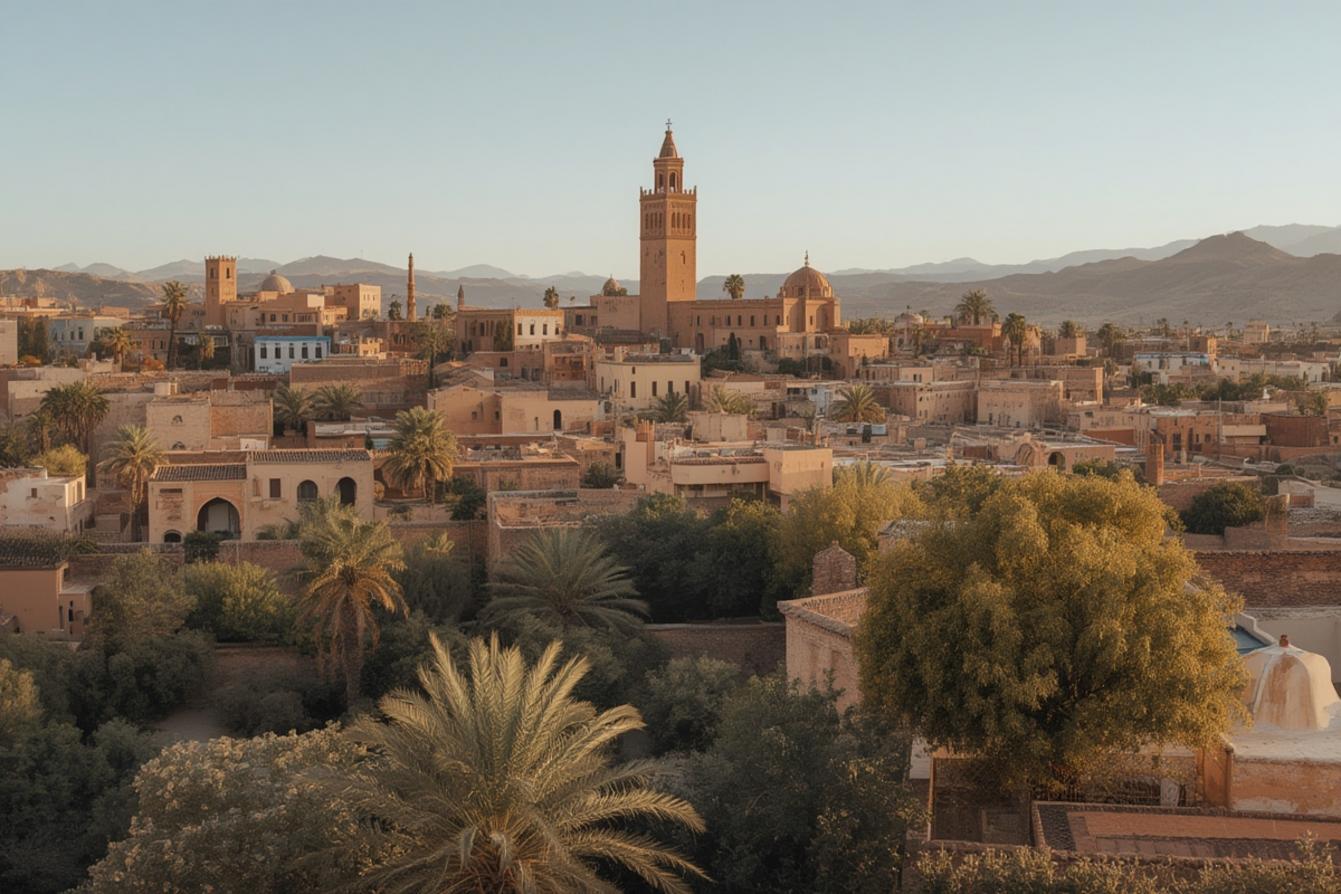
The rooftop terraces deserve special mention because they fundamentally change how you experience Marrakech. At ground level, the medina can feel claustrophobic, even oppressive during summer heat. Climb to any rooftop, and perspective shifts completely. The city spreads below in a gorgeous mess of rooftops, satellite dishes, laundry lines, and minaret spires pointing toward endless blue sky. The Atlas Mountains frame the southern horizon, their snow-capped peaks visible most of the year.
Most riads let non-guests use their rooftop cafés for a drink or meal—one of the best-value things to do in marrakech because you get the view, the atmosphere, and usually decent food for prices far lower than you’d expect. Sunset from a rooftop terrace, watching the call to prayer echo across the city as swifts circle overhead, ranks among those travel moments that temporarily make you forget about flight times and work emails waiting back home.
Markets, Meals, and Mint Tea: Food Culture From Street Level to Refined Dining
Marrakech’s food scene operates on multiple levels, and experiencing different tiers tells you as much about the city as any historical monument. The cheapest and most authentic meals happen at neighborhood spots frequented exclusively by locals. These hole-in-the-wall restaurants serve maybe three dishes total—usually a tagine, couscous on Fridays, and perhaps harira soup—but they do them exceptionally well because they’ve been perfecting the same recipes for decades.
The medina’s food stalls at Jemaa el-Fnaa represent the middle ground. Yes, they cater largely to tourists, and yes, you’ll pay slightly inflated prices, but the food remains genuinely good. Grilled meats, fish tagines, snail soup for the adventurous, and heaping couscous plates arrive quickly and hot. The experience matters as much as the meal—eating under the stars while drummers perform nearby and smoke from a hundred grills creates atmosphere impossible to replicate in any restaurant.
At the refined end, Marrakech has developed an impressive fine dining scene that reinterprets traditional Moroccan cuisine through contemporary techniques. Restaurants like Nomad and Le Jardin marry excellent food with stunning design, creating spaces that feel distinctly Moroccan yet completely modern. These spots work perfectly for travelers who want authentic flavors without necessarily wanting to eat at plastic tables under fluorescent lights.
The mint tea ritual transcends all categories. Whether you’re negotiating a carpet purchase in the souks, resting in a hammam reception area, or ending a meal at a fancy restaurant, mint tea appears almost magically. The pouring technique—held high above the glass to create foam—isn’t just showmanship; it actually aerates the tea and changes the taste. Refusing tea is technically fine, but accepting it opens doors to conversations and connections that pure tourism rarely provides.
Making Sense of Logistics Without Losing the Magic
Getting to Marrakech is straightforward—the Menara Airport connects to most European cities and major Moroccan destinations. From the airport, the official taxi fare to the medina costs roughly 100-150 dirhams depending on exactly where you’re going. Agree on the price before getting in, or insist the driver uses the meter. Many riads offer airport transfers for around 200 dirhams, which removes the negotiation hassle entirely.
Moving around inside Marrakech depends largely on where you’re staying. If you’re in the medina, walking becomes your primary mode because cars can’t navigate most alleys anyway. The distances feel longer than they are because the indirect routes through the maze add significant distance. Allow 20-30 minutes to walk from Jemaa el-Fnaa to the northern edges of the medina, even though it’s barely a kilometer as the crow flies.
For ventures outside the medina—to Gueliz, the Palmeraie, or attractions like Menara Gardens—petits taxis (the small beige cabs) work well. These should use meters for trips within city limits, with most rides costing 15-30 dirhams. For day trips to the Atlas Mountains or Essaouira on the coast, you’ll want to arrange transport through your accommodation or book through established tour companies offering proper insurance and reliable vehicles.
The practical reality of marrakech morocco attractions is that some degree of hustle comes with the territory. Vendors will try to guide you toward their shops, unofficial guides will offer assistance, and everyone has a cousin who runs the best hammam in Marrakech. Firm politeness works better than anger or ignore tactics. Most interactions stay good-natured if you maintain perspective that people are trying to make a living, not personally annoy you.
Conclusion
Marrakech delivers exactly what it promises—a city where ancient traditions collide with modern realities in ways that somehow work despite all logic suggesting they shouldn’t. The marrakech morocco attractions function less as checkbox items and more as entry points into understanding a city that’s been captivating travelers for centuries while somehow remaining authentically Moroccan rather than turning into a theme park version of itself.
The real secret to experiencing Marrakech well involves accepting a certain level of chaos and uncertainty. The city rewards wandering over rigid itineraries, conversation over quick snapshots, and staying long enough to appreciate how the frenetic energy eventually reveals underlying rhythms. Whether you’re negotiating for carpets in the souks, watching sunset from a rooftop terrace with mint tea in hand, or simply sitting in Jemaa el-Fnaa watching the human theater unfold, Marrakech works its particular magic on those willing to surrender to the experience rather than trying to control every moment.
FAQs
How many days do you need to properly explore Marrakech?
Three to four days gives you enough time to see major landmarks without rushing while also allowing for those spontaneous discoveries that make Marrakech memorable. Two days covers the highlights but feels rushed. A full week lets you dig deeper into neighborhoods, take day trips to the Atlas Mountains or coastal cities, and really settle into the city’s rhythm rather than just scratching the surface.
Is Marrakech safe for solo travelers and tourists?
Marrakech is generally safe with low rates of violent crime against tourists. The main concerns involve petty theft in crowded areas, price inflation in tourist zones, and aggressive touts in high-traffic areas. Standard travel precautions work well—watch belongings in markets, avoid empty alleys late at night, and trust instincts if situations feel uncomfortable. Solo female travelers should dress modestly and expect more attention than male travelers, though serious harassment remains relatively uncommon.
What’s the best time of year to visit Marrakech?
March through May and September through November offer the most comfortable weather—warm days, cool evenings, and minimal rain. Summer (June-August) sees extreme heat exceeding 40°C (104°F), making midday exploration genuinely unpleasant. Winter (December-February) brings surprisingly cold nights and occasional rain, though daytime temperatures remain mild. Spring delivers the bonus of blooming gardens and green landscapes before summer drought browns everything.
Can you drink alcohol in Marrakech?
Yes, though with limitations. Morocco is Muslim-majority, but alcohol is legal and available in licensed restaurants, hotels, bars, and some supermarkets. You won’t find alcohol sold openly in the medina’s traditional areas, but the newer Gueliz district has bars and wine shops. Drinking on streets or showing obvious intoxication is culturally inappropriate and potentially illegal. Hotel rooftops and tourist restaurants serve alcohol without issue, creating a middle ground between prohibition and open drinking culture.



 Covers cities, coast, mountains, desert & food