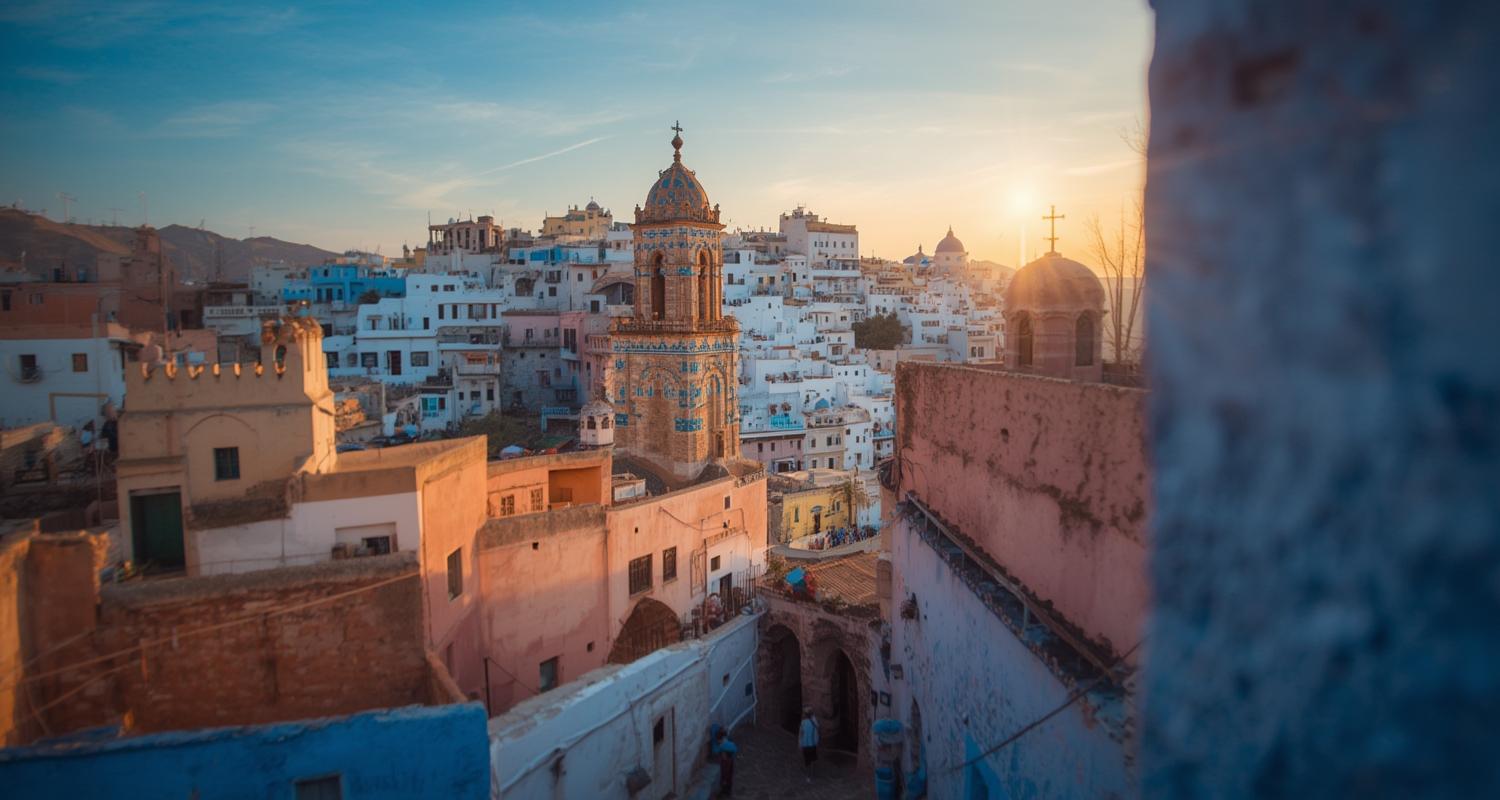
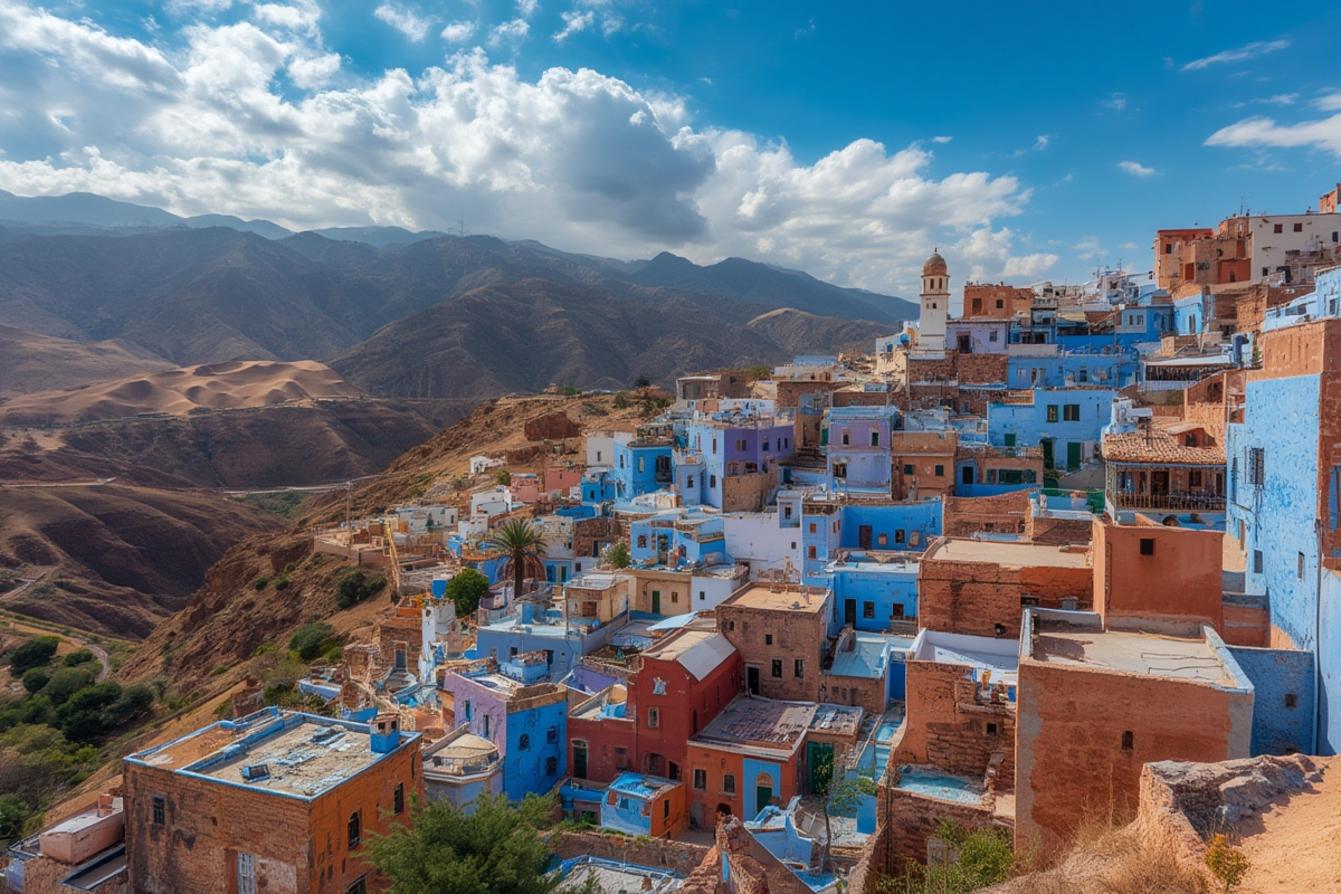
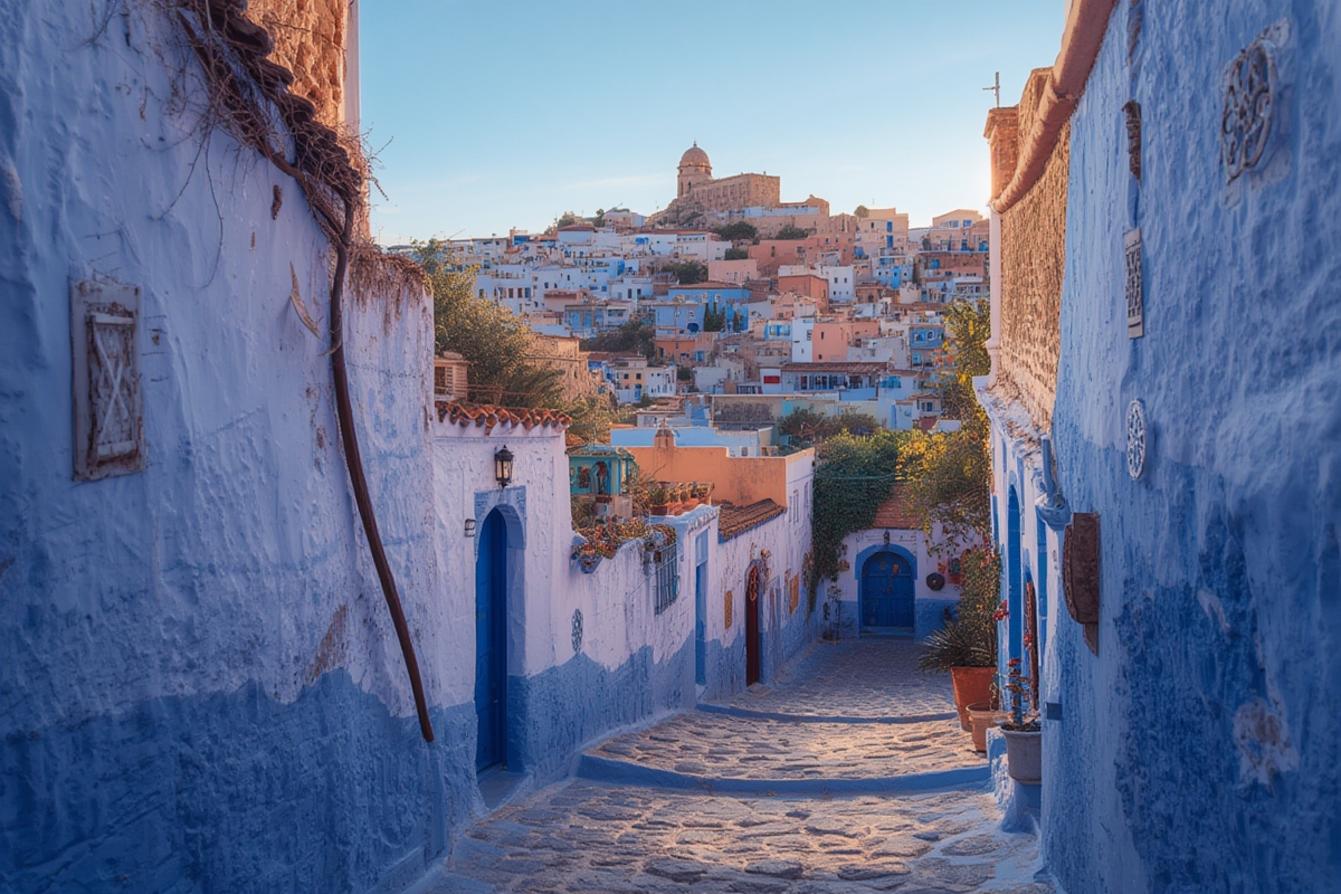
Imagine stepping into a dreamscape, a town painted in every shade of blue imaginable, nestled amidst the rugged Rif Mountains of Morocco. That’s Chefchaouen, affectionately known as the Blue Pearl or Chefchaouen blue city . From the moment you arrive, its unique charm grabs hold of you. The vivid azure walls, doors, and even flowerpots create an otherworldly atmosphere that feels both calming and exhilarating. It’s a place where every corner beckons for a photograph, where the scent of tagine lingers in the air, and where the rhythmic calls to prayer seem to echo off the cobalt facades. But Chefchaouen is more than just a pretty face; it’s a town rich in history, culture, and a surprisingly laid-back vibe that offers a refreshing contrast to the bustling imperial cities. Having explored its labyrinthine alleys myself, I can tell you that this isn’t just another tourist stop; it’s an experience that etches itself into your memory.
Why Visit Chefchaouen blue city
Chefchaouen’s undeniable allure lies primarily in its striking blue aesthetic, a visual feast that has captivated travelers for decades. But beyond its Instagrammability, there’s a depth to this town that makes it a truly special destination. The precise reason for its blue hue remains a subject of debate, adding to its mystique. Some say it’s to repel mosquitoes, others believe it symbolizes the sky and heaven, reminding residents of God, while a popular theory attributes it to Jewish refugees who settled here in the 15th century and, later, in the 1930s, painting their homes blue to reflect their religious practices. Whatever the origin, the result is undeniably captivating.
Beyond the aesthetics, Chefchaouen offers a tranquil escape. Unlike the frenetic pace of Marrakech or Fes, the Blue City invites you to slow down. The medina, while vibrant, is less overwhelming, making it easy to wander without feeling lost or pressured. The local people, primarily Riffian Berbers and descendants of Andalusian Moors, are generally welcoming and friendly, contributing to the town’s relaxed atmosphere. You’ll find artisan shops overflowing with unique handicrafts, from wool garments to leather goods, all showcasing the region’s traditional craftsmanship. The air often carries the aroma of delicious Moroccan mint tea, which you’ll be offered generously as a sign of hospitality.
Culturally, Chefchaouen holds significant historical importance. Founded in 1471 by Moulay Ali ibn Rashid al-Alami, it served as a fortress to fight off Portuguese invaders. It later became a refuge for Jews and Muslims fleeing the Spanish Reconquista, which significantly shaped its architecture and cultural fabric. Exploring its ancient kasbah, you can feel the echoes of this rich past. For those seeking adventure, the surrounding Rif Mountains offer stunning hiking opportunities, allowing you to immerse yourself in nature and witness breathtaking vistas. It’s a place that caters to photographers, history buffs, nature enthusiasts, and anyone simply yearning for a unique and beautiful travel experience.
Best Things to Do in Chefchaouen blue city
While simply wandering the blue alleys is an experience in itself, there are several key attractions and activities that further enrich a visit to Chefchaouen.
Explore the Medina: This is undoubtedly the highlight. Lose yourself in the winding, narrow alleys, each leading to another picturesque scene. Take your time, admire the intricate doorways, the potted plants, and the playful cats that seem to be on every corner. Don’t be afraid to veer off the main paths; some of the most charming spots are found in unexpected nooks. This is where you’ll stumble upon local life unfolding – women doing laundry, children playing, and shopkeepers chatting.
Visit the Kasbah Museum: Located in the main square, Place Outa el Hammam, the Kasbah is a beautifully preserved fortress with a rich history. Inside, you’ll find a small ethnographic museum that showcases traditional Chefchaoueni artifacts, clothing, and pottery. Climb to the top of its tower for panoramic views of the blue city and the surrounding mountains – it’s a fantastic photo opportunity. The Andalusian-style garden within the kasbah walls is also a peaceful spot to relax.
Relax in Place Outa el Hammam: This bustling main square is the heart of Chefchaouen. Flanked by the Kasbah and the Grand Mosque, it’s a perfect spot to sit at a cafe, sip some mint tea, and watch the world go by. In the evenings, it comes alive with locals and tourists alike, creating a lively and authentic atmosphere.
Hike to the Spanish Mosque (Bouzaafar Mosque): Perched on a hill overlooking the city, the Spanish Mosque (often referred to locally as Bouzaafar Mosque) offers the most iconic sunset views of Chefchaouen. The hike itself is relatively easy, taking about 30-45 minutes from the medina, and the trail is well-trodden. Arriving in time for sunset is highly recommended, as the changing light casts a magical glow over the blue city below. Even if you don’t make it for sunset, it’s a great spot for panoramic photographs at any time of day.
Shop for Local Handicrafts: Chefchaouen is renowned for its unique artisan products. Look out for hand-woven wool garments, often in vibrant colors, especially the distinctive jella – a traditional hooded cape. Leather goods like bags and babouches (slippers), and intricate pottery are also popular. The prices here are generally more reasonable than in larger cities, but don’t shy away from polite bargaining.
Chase Waterfalls at Akchour: If you have an extra day and enjoy nature, a day trip to Akchour is a must. Located about an hour’s drive from Chefchaouen, this area in the Rif Mountains boasts stunning natural beauty, including the Pont de Dieu (God’s Bridge), a natural rock arch, and beautiful waterfalls. You can hike to one or both of these, with varying levels of difficulty. It’s a refreshing escape from the city and offers a different perspective of the region.
Indulge in Moroccan Cuisine: Chefchaouen offers delicious Moroccan food. Don’t miss out on trying a traditional tagine or couscous. Also, keep an eye out for local specialties like Bissara (a fava bean soup, especially good for breakfast) and grilled kefta. Many restaurants offer rooftop seating, providing lovely views while you dine.
Best Time to Visit Chefchaouen blue city
Timing your visit to sahara desert can significantly impact your experience, both in terms of weather and crowd levels.
Spring (April to May): This is arguably the best time to visit Chefchaouen. The weather is pleasantly mild, with comfortable temperatures perfect for exploring the medina and hiking in the surrounding mountains. The landscapes are lush and green after the winter rains, making the scenery even more vibrant. Crowds are present but generally manageable before the peak summer season.
Autumn (September to October): Similar to spring, autumn offers excellent weather conditions. The summer heat begins to subside, and the temperatures become very agreeable for sightseeing. The fall foliage in the mountains adds another layer of beauty to the region. October, in particular, often sees fewer crowds than May, making it a wonderful time for a more serene visit.
Summer (June to August): Chefchaouen can get quite hot during the summer months, with temperatures often soaring in July and August. While the blue walls might offer a psychological cooling effect, direct sun can be intense. The city also experiences its highest tourist numbers during this period, especially in August, which coincides with European school holidays. If you’re visiting in summer, plan your activities for early mornings and late afternoons, and seek shade during the midday heat.
Winter (November to March): Winter in Chefchaouen brings cooler temperatures, especially in the evenings, and a higher chance of rain. While the city retains its charm, some of the mountain hiking trails might be less accessible due to wet conditions. However, if you don’t mind the chill and potential rain, you’ll find fewer tourists and often better deals on accommodation. The atmospheric fog that occasionally rolls through the mountains can also create a mystical feel. Personally, I find the cooler temperatures invigorating for walking around the medina without getting too sweaty.
Overall, if you’re looking for comfortable weather and pleasant crowd levels, aim for spring or autumn.
How to Get to Chefchaouen blue city
Chefchaouen, while feeling off the beaten path, is relatively accessible, though it requires a bit of planning, as it doesn’t have an airport or a train station directly within the city. Most travelers arrive by bus or private transfer.
By Bus (CTM or Supratours): This is the most common and budget-friendly way to reach Chefchaouen. CTM and Supratours are Morocco’s two main national bus companies, known for their reliability and comfort.
- From Fes: This is a popular route. Buses from Fes to Chefchaouen typically take around 4-5 hours. It’s a scenic journey, winding through the Rif Mountains.
- From Tangier: The journey from Tangier is shorter, usually 2.5-3 hours. This is a convenient option if you’re arriving in Morocco via the ferry from Spain.
- From Casablanca or Rabat: These routes are longer, typically 6-8 hours, and might involve a transfer in another city or a direct overnight bus.
- Tickets: It’s highly recommended to book your bus tickets in advance, especially during peak season, as they can sell out. You can often purchase them online via the companies’ websites or directly at the bus stations a day or two before your travel date.
- Arrival in Chefchaouen: The bus station in Chefchaouen is located at the lower end of the new town, about a 15-20 minute uphill walk or a short taxi ride (around 15-20 dirhams) from the medina.
By Grand Taxi: For a more flexible, albeit more expensive, option, grand taxis can take you to Chefchaouen. These are shared taxis that typically carry up to six passengers.
- Private vs. Shared: You can either pay for all six seats to have a private taxi for convenience or wait for other passengers to fill the taxi. Sharing makes it much more affordable.
- Departure Points: Grand taxis typically depart from designated taxi stands near bus stations in major cities. You’ll need to negotiate the price before getting in.
- Journey Time: Similar to buses, journey times from cities like Fes or Tangier are comparable, but you have the flexibility to stop for photos or breaks.
By Private Transfer: This is the most comfortable and convenient option, especially if you’re traveling with luggage or a group. Many hotels and tour operators can arrange private transfers from any major Moroccan city directly to your accommodation in Chefchaouen. It’s more expensive than buses or shared grand taxis but offers door-to-door service and the most flexibility.
Self-Driving: While possible, driving in Morocco, especially in mountainous regions, can be challenging due to winding roads and varying driving habits. If you’re comfortable with this, renting a car offers maximum flexibility to explore the region at your own pace. Ensure your rental car has good clearance for some of the roads. Parking near the medina in Chefchaouen can also be tricky, with designated paid parking lots available just outside the old city walls.
Travel Tips for Visiting Chefchaouen blue city
Having navigated the charming chaos and serene beauty of Chefchaouen multiple times, I’ve gathered some practical advice to help enhance your visit.
Dress Respectfully: While Chefchaouen is a popular tourist destination, it’s still a conservative Islamic town. Dressing modestly, especially for women, is appreciated. Shoulders and knees should generally be covered, particularly when walking through the medina or visiting religious sites. Loose-fitting clothing is also more practical for the climate.
Wear Comfortable Shoes: You’ll be doing a lot of walking, often uphill and downhill, on uneven cobblestone streets. Comfortable walking shoes are an absolute must. Leave the heels at home!
Get Lost (Literally): Part of Chefchaouen’s charm is its labyrinthine medina. Don’t be afraid to wander without a specific destination in mind. You’ll discover hidden gems, quiet courtyards, and incredible photo opportunities around every corner. Embrace the sense of exploration. If you do get truly disoriented, locals are generally happy to help you find your way back to a main square.
Be Prepared for Photo Opportunities (and Requests): Chefchaouen is incredibly photogenic. You’ll find yourself constantly reaching for your camera. Be mindful and respectful when taking photos of people. Always ask permission before photographing individuals, especially women and children. Some residents might ask for a small tip in exchange for a photo, which is their right.
Learn Some Basic Arabic or Darija: While many shopkeepers and restaurant staff speak some English or French, knowing a few basic phrases in Moroccan Arabic (Darija) or Classical Arabic can go a long way. “Salam Alaikum” (hello), “Shukran” (thank you), and “La shukran” (no thank you) are great to start with. It shows respect and can often lead to warmer interactions.
Bargain Politely: When shopping in the souks, bargaining is expected and part of the cultural experience. Start with a counter-offer about half to two-thirds of the asking price and negotiate respectfully. Keep a friendly demeanor; it’s a negotiation, not a confrontation. If you’re not interested, a polite “La shukran” and walking away is perfectly acceptable.
Stay Hydrated: Especially during warmer months, it’s important to drink plenty of water. Bottled water is readily available.
Money Matters: The local currency is the Moroccan Dirham (MAD). While some larger shops or hotels might accept credit cards, cash is king in the medina for smaller purchases, taxis, and street food. ATMs are available, but it’s a good idea to carry some smaller denominations for ease of transactions.
Respect Local Customs: During the holy month of Ramadan, many establishments might have altered hours, and eating or drinking in public during fasting hours (from sunrise to sunset) is considered disrespectful. Alcohol consumption is generally limited to specific hotels or restaurants.
Pack Layers: Even if visiting during warmer months, evenings in the mountains can get cool. Packing layers will ensure you’re comfortable throughout the day and night.
Don’t Forget the Spanish Mosque at Sunset: I can’t emphasize this enough. The hike is worth it for the breathtaking panoramic views as the sun dips below the Rif Mountains, casting a golden glow over the blue city.
Coffee and Mint Tea Culture: Take a break at one of the many cafes. Enjoying a traditional Moroccan mint tea or a strong Moroccan coffee while observing daily life is an essential Chefchaouen experience.
Where to Stay in Chefchaouen blue city
Choosing the right accommodation in Chefchaouen can significantly enhance your experience. The city offers a range of options, from charming guesthouses within the medina to more modern hotels in the new town.
Riads and Dars (Within the Medina): These are traditional Moroccan guesthouses, often renovated old homes, characterized by an inner courtyard or patio. Staying in a Riad or Dar within the medina offers an authentic experience, immersing you directly in the blue city’s atmosphere.
- Pros: Authentic charm, beautiful architecture, often family-run, central location for exploring the medina, many have rooftop terraces with stunning views.
- Cons: Can be difficult to navigate to at first (no cars allowed in the medina), rooms might be smaller or have fewer modern amenities than international hotels, can be noisy at times.
- Recommendation: If you want the full Chefchaouen experience, this is the way to go. Look for ones with good reviews that mention helpful staff and good accessibility. Many guesthouses are accessible via a short walk from one of the medina entrances.
Hotels (New Town): Outside the medina, primarily in the Ville Nouvelle (new town), you’ll find more modern hotels.
- Pros: Easier access by car/taxi, often have more Western amenities (larger rooms, air conditioning, sometimes a pool), can be quieter away from the medina’s hustle.
- Cons: Less atmospheric, further walk to the main attractions of the medina.
- Recommendation: Suitable if you prefer modern comforts, are arriving by car, or have mobility issues. Many offer good value.
Hostels: For budget travelers, Chefchaouen has a growing number of hostels, many located within or very close to the medina. They offer dormitory beds and sometimes private rooms.
- Pros: Very affordable, great for meeting other travelers, often have communal areas and kitchens.
- Cons: Less privacy, can be noisy, varying levels of comfort.
- Recommendation: Ideal for solo travelers or those on a tight budget looking for a social atmosphere.
Tips for Booking:
- Book in Advance: Especially during peak seasons (spring and autumn), desirable accommodations can fill up quickly.
- Location is Key: Decide if you want to be right in the heart of the medina for atmosphere or slightly outside for easier access and potentially more modern comforts.
- Check Reviews: Look for reviews that mention cleanliness, friendly staff, hot water, and helpfulness with directions.
- Rooftop Terraces: Many guesthouses boast incredible rooftop terraces with breathtaking views of the blue city and the mountains – a huge bonus! Look for this feature when booking.
- Accessibility: Be aware that many establishments in the medina will require walking up and down stairs and narrow alleys. If you have mobility concerns, clarify accessibility with your chosen accommodation.
Ultimately, staying within the medina in a traditional Riad or Dar offers the most immersive and memorable Chefchaouen experience, allowing you to wake up to the blue hues and step out directly into its magical alleys.
Conclusion
My time in Chefchaouen blue city was an unforgettable journey into a world painted in serene blues, infused with rich history, and cradled by majestic mountains. It’s a destination that truly lives up to its enchanting reputation, offering a slower pace of travel and opportunities for genuine connection with Moroccan culture. From getting lost in its mesmerizing alleys to hiking up for breathtaking sunset views, every moment in this “Blue Pearl” felt like stepping into a vibrant postcard. Whether you seek stunning photography, cultural immersion, or just a peaceful retreat, Chefchaouen effortlessly delivers. Its unique charm leaves a lasting impression, urging you to bring a piece of its tranquility and beauty back home with you.

FAQs about Chefchaouen blue city
Why is Chefchaouen painted blue?
The exact reason for Chefchaouen’s blue color is debated, but popular theories include:
1. Religious Significance: Many believe Jewish refugees, who settled here in the 15th century and again in the 1930s, painted their homes blue to reflect their religious practice, symbolizing the sky and heaven, reminding them of God.
2. Mosquito Repellent: Some locals suggest the blue color helps keep mosquitoes away.
3. Cooling Effect: It’s also thought that the light blue hues help keep houses cool during warmer months.
Despite the different theories, the blue has become the town’s iconic signature.
How many days should I spend in Chefchaouen?
Most travelers find that 2 to 3 days is an ideal amount of time to spend in Chefchaouen. This allows for ample time to explore the medina leisurely, visit the main attractions like the Kasbah and Spanish Mosque, and enjoy the town’s relaxed atmosphere. If you plan a day trip to Akchour or want to do more extensive hiking in the Rif Mountains, you might consider adding an extra day.
Is Chefchaouen safe for tourists?
Yes, Chefchaouen is generally considered very safe for tourists. It has a relatively low crime rate, and locals are accustomed to visitors. Like any travel destination, it’s always wise to exercise common sense safety precautions: be aware of your surroundings, especially at night; keep an eye on your belongings; and avoid walking alone in secluded areas. The medina can be confusing, but locals are usually happy to help if you seem lost.
Can I visit Chefchaouen as a day trip from Fes or Tangier?
While technically possible, visiting Chefchaouen as a day trip from Fes or Tangier is not highly recommended. The bus journey from Fes takes about 4-5 hours each way, and from Tangier, it’s about 2.5-3 hours each way. This means you would spend a significant portion of your day traveling, leaving only a few hours to experience the city. To truly appreciate Chefchaouen’s charm and relax into its atmosphere, an overnight stay is strongly advised.



 Covers cities, coast, mountains, desert & food