
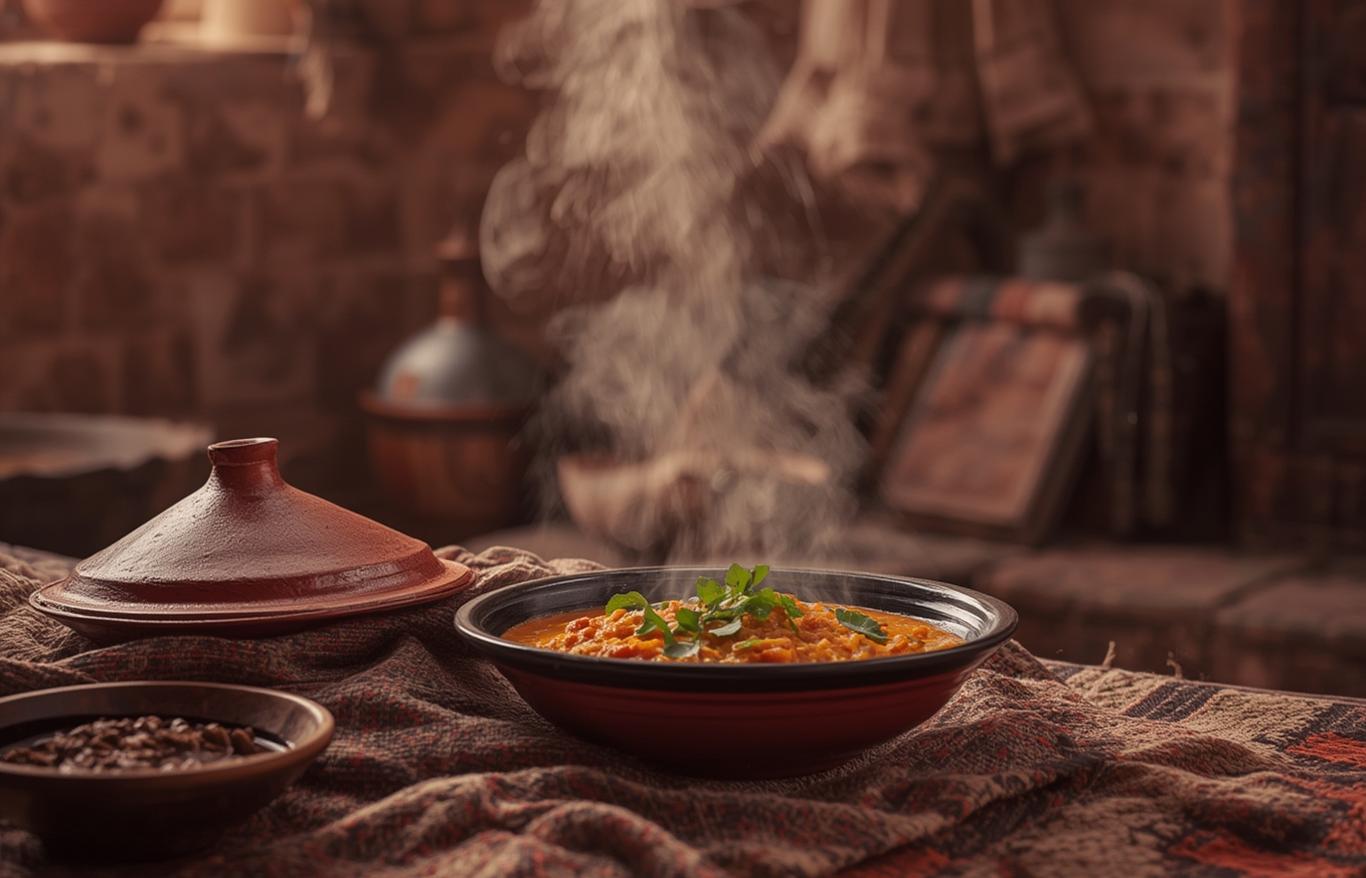
Stepping into Casablanca’s vibrant local markets is an awakening for the senses, a whirlwind of sights, sounds, and, most importantly, authentic Moroccan flavors. While many travelers might envision the ancient medinas of Fes or Marrakech when they think of Moroccan souks, Casablanca offers a less polished, yet equally captivating, experience. It’s here, amidst the friendly chaos, that you truly discover the culinary heart of the city, and perhaps even stumble upon the perfect ingredients to recreate a classic tagine Ouarzazate back home. This journey isn’t just about shopping; it’s about connecting with the rhythm of daily life, understanding the local palate, and uncovering those hidden gems that make Moroccan cuisine so globally adored.
Marée Express: The Bustling Fish Market of Casablanca
Casablanca, being a major port city, naturally boasts an extraordinary fish market. Forget sterile supermarket aisles; the Marche Central (Central Market) is where the day’s catch explodes in a shimmering array of silver, pink, and deep red. As you navigate the crowded stalls, the air is thick with the briny scent of the ocean, mixed with the sharp tang of lemon and the earthy aroma of spices. Fishermen expertly gut and clean everything from plump sea bream and delicate sole to enormous groupers and piles of gleaming sardines—a Moroccan staple.
Locals haggle animatedly, their practiced eyes scanning for the freshest specimens. It’s not uncommon to see a woman select her fish, then walk it directly over to one of the small, unassuming grills nestled within the market perimeter. Here, for a few dirhams, her purchase is expertly charred over open flames, seasoned simply with salt, cumin, and a squeeze of lemon, and served piping hot with a side of batata fries and a fresh salad. This is farm-to-table (or rather, sea-to-grill) at its most authentic and delicious, offering a genuine taste of coastal Moroccan living that complements any culinary exploration, including the rich flavors found in a tagine Ouarzazate.
A Kaleidoscope of Spices: Navigating the Souk’s Aromatic Aisles
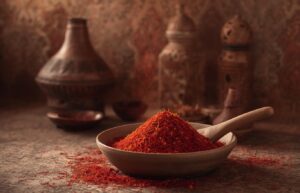
Beyond the fresh produce and seafood, Casablanca’s markets are a treasure trove for anyone fascinated by Moroccan spices. The spice souk Casablanca is an intoxicating labyrinth of color and aroma. Heaps of saffron gleam like tiny threads of gold, towering pyramids of paprika radiate a velvety red, and mounds of turmeric offer a vibrant gold. The air itself feels thick with exotic scents: the warm earthiness of cumin, the sweet perfume of cinnamon, the fiery kick of chili.
This isn’t just for show; spices are the soul of Moroccan cooking, transforming simple ingredients into complex, layered dishes. Vendors, often inherited their stalls from generations past, are usually keen to share their knowledge, explaining the nuances between different blends of ras el hanout (literally “head of the shop,” a master blend of dozens of spices) or offering advice on how to properly infuse a dish with preserved lemons. It’s a sensory feast and an education in one, providing the very building blocks for iconic dishes like pastilla, harira, and of course, a deeply aromatic tagine Ouarzazate. Don’t be afraid to ask questions, smell samples, and perhaps even try a small taste of a unique blend. This interaction is part of the market’s charm.
From Olives to Dates: Local Delicacies and Everyday Staples
Moroccan markets are a cornucopia of locally sourced produce and traditional staples. Imagine tables overflowing with every conceivable variety of olives – brined, marinated in herbs, fiery with harissa, or simply glossy black. Beside them, towering displays of dates, from the plump, caramel-like Medjool to the smaller, sweeter Deglet Noor, are a testament to Morocco’s date palm groves. Then there are the nuts, fresh and roasted, often caramelized with honey or dusted with sea salt, perfect for snacking or adding texture to meals.
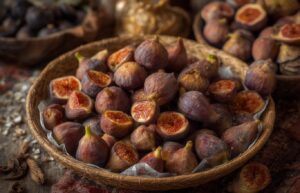
The markets also showcase a dazzling array of fresh fruits and vegetables, often seasonal and always vibrant. Piles of bright red tomatoes, crisp cucumbers, fragrant herbs like mint and coriander, and a rainbow of bell peppers line the stalls. You’ll find locally grown oranges and tangerines that burst with juice, figs so ripe they practically melt, and pomegranates that glimmer like jeweled orbs. These fresh ingredients are fundamental to the Moroccan diet, forming the base of salads, side dishes, and the slow-cooked perfection of a tagine Ouarzazate. It’s a stark reminder of Morocco’s rich agricultural landscape and the importance of fresh, seasonal eating in its culinary traditions.
Culinary Tools & Artisan Crafts: Beyond Edibles
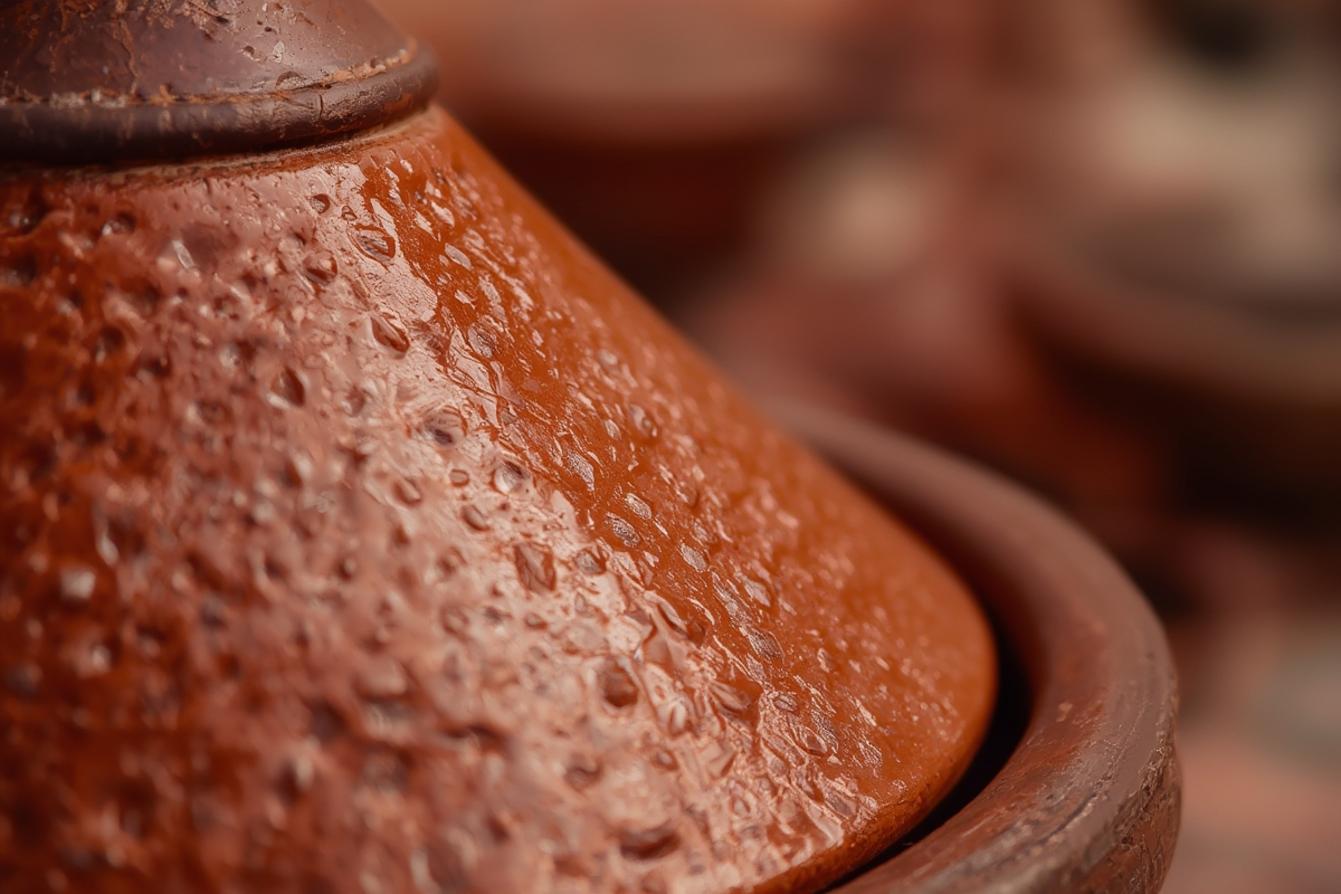
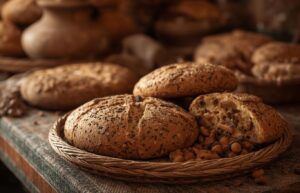
While food is undoubtedly the main attraction, Casablanca’s local markets also offer a glimpse into Moroccan craftsmanship and practical household goods. Imagine stalls laden with beautifully hand-painted ceramics, from tagines themselves (both decorative and functional) to ornate tea sets and sturdy serving bowls. You can find robust wooden spoons, traditional bread baskets woven from palm fronds, and intricate brass tea trays.
There are also natural remedies and beauty products: blocks of savon beldi (black soap) for the hammam, fragrant rose water, argan oil in its purest form, and ghassoul clay for hair and skin. These aren’t just souvenirs; they are integral parts of Moroccan daily life and culture. Exploring these sections allows you to appreciate the holistic approach to living that emphasizes natural ingredients and traditional methods, much like the slow, deliberate cooking process of a perfect tagine Ouarzazate. It’s a chance to bring a piece of Moroccan tradition into your own home.
The Art of the Deal: Haggling and Moroccan Market Etiquette
Visiting a Moroccan market is as much about the human interaction as it is about the goods themselves. Haggling, or bargaining, is an expected and often enjoyable part of the cultural exchange, though it’s less prevalent in food stalls with fixed prices. For non-food items, it’s a friendly negotiation. Start by offering about half to two-thirds of the initial asking price and work your way up until you reach a price that feels fair to both parties. A good rule of thumb: if you’re happy with the price, it’s a good deal.
Beyond haggling, observe local etiquette. Be polite and respectful. A few phrases in Darija, even just “Salam Alaikum” (hello) and “Shukran” (thank you), go a long way in building rapport. Don’t be afraid to try samples offered by vendors, but it’s also acceptable to decline politely. While the markets can feel overwhelming at first with the sensory overload and constant chatter, embrace it. It’s part of the authentic experience. Remember, these markets are where locals shop for their daily needs, making them a window into the everyday life of Casablanca residents. You might even pick up some fresh spices that make your homemade tagine Ouarzazate taste even more authentic.
Marrakech vs. Casablanca: A Different Souk Vibe
Many travelers associate Moroccan markets with the sprawling, ancient souks of Marrakech or Fes, famous for their labyrinthine alleys and centuries of history. Casablanca’s markets, particularly the Marche Central, offer a different, more contemporary, yet equally authentic, urban market experience. While you might not find the same historic architecture, Casablanca’s markets are undeniably vibrant, focusing heavily on fresh produce, meats, and seafood to serve the city’s bustling population. They are less geared towards tourist trinkets and more towards the practicalities of daily life.
This difference in atmosphere can be quite refreshing. In Casablanca, you’re observing genuine commerce and local interactions rather than a performance for tourists. It’s a chance to see how Moroccans truly live, shop, and eat. While the ambiance might be more modern compared to the ancient medinas you’d find in other most beautiful cities in Morocco, the spirit of community, the friendly banter of vendors, and the incredible array of fresh ingredients are still very much present, including all the elements you’d need for a delicious tagine Ouarzazate.
Conclusion
Casablanca’s local markets are a sensory adventure, a vibrant tapestry woven from the threads of daily life, culinary traditions, and genuine human connection. They offer an unfiltered glimpse into the heart of Moroccan culture, far removed from the polished facades of tourist traps. From the lively fish market to the aromatic spice stalls and the abundance of fresh produce, every corner holds a new discovery. Embracing this vibrant chaos and engaging with the friendly locals will enrich your understanding of Moroccan cuisine and provide unforgettable memories. And who knows, amidst the bustling aisles, you might just find the perfect ingredients and inspiration to craft the most authentic tagine Ouarzazate yourself, savoring a taste of Morocco long after you’ve returned home.
FAQs
What is the best time to visit Casablanca’s local markets?
The best time to visit Casablanca’s local markets, especially the Marche Central, is typically in the mornings, from about 9:00 AM to 1:00 PM. This is when the fresh produce and seafood are at their prime, and the market is bustling with locals doing their daily shopping. Afternoons can also be lively, but the freshest goods are usually gone by then.
Is haggling expected in Casablanca’s food markets?
For fresh produce, meats, and seafood in local markets, prices are generally fixed and haggling is not typically expected. However, for non-food items like ceramics, spices in bulk (if not pre-packaged with a price), or crafts, a friendly negotiation over the price is common and often part of the cultural experience.
What should I look out for when buying spices in the spice souk Casablanca?
When buying spices, look for vibrant colors and strong, fresh aromas. Avoid spices that look dull, clumpy, or have a weak scent, as they may be old. Don’t hesitate to ask vendors for samples and inquire about their blends, especially for ras el hanout. Buy smaller quantities if you’re unsure how much you’ll use to ensure freshness.
Can I eat at the local markets in Casablanca?
Absolutely! Eating at the local markets is a must-do experience. Many markets, like the Marche Central, have small, informal restaurants or grill stands where you can have fish or other fresh items you’ve just purchased cooked on the spot. These are fantastic for experiencing authentic, fresh, and affordable Moroccan street food. Look for popular spots with locals, which is usually a sign of good quality and taste.


 Covers cities, coast, mountains, desert & food