
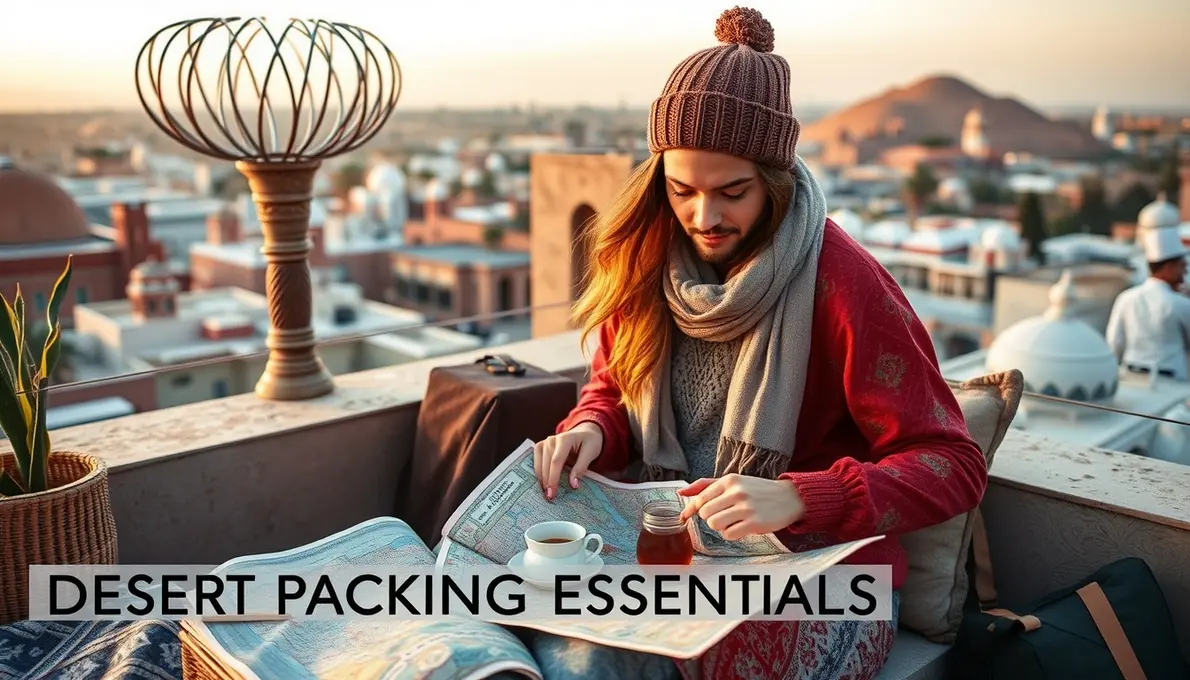
Venturing into the majestic Sahara Desert in Morocco is an unforgettable experience, but its unique environment demands thoughtful preparation. To truly enjoy the vast dunes and starlit nights, knowing your desert packing essentials is not just helpful—it’s crucial. This guide focuses specifically on the must-have items for your Morocco Sahara adventure, ensuring you’re well-equipped for comfort, safety, and immersion in this incredible landscape. We’ll delve into the specific gear and clothing that will make your desert journey smooth, allowing you to focus on the breathtaking scenery rather than unexpected discomforts. Forget generic travel lists; this is tailored precisely for the Moroccan desert.
Understanding the Desert Environment: Why Specific Packing Matters
Before diving into specific items, it’s vital to grasp the desert’s characteristics, as these directly inform your desert packing essentials. The Sahara experiences extreme temperature fluctuations. Days can be intensely hot, with direct sun exposure, while nights can drop significantly, often reaching near-freezing temperatures, especially outside of the peak summer months. The landscape is sandy, dusty, and largely devoid of facilities once you leave the edge towns. Water sources are scarce, and protection from sun, sand, and cold is paramount.
Proper clothing and gear aren’t just about comfort; they’re about health and safety. Dehydration, sunburn, sand irritation, and hypothermia are real concerns for the unprepared. Therefore, every item on this list serves a specific purpose in mitigating these challenges, ensuring you can fully appreciate the solitude and beauty of the Sahara without being distracted by avoidable issues. From sun protection to robust footwear, each choice has been honed from practical experience in this unique environment.
The Foundation of Your Desert Wardrobe: Clothing Essentials
Your clothing choices are arguably the most important of your desert packing essentials. The key is layering, breathability, and sun protection.
For Daytime Comfort and Sun Protection
During the day, the desert sun is intense. You need clothing that protects you from harmful UV rays while allowing your skin to breathe and stay cool.
- Lightweight, Long-Sleeved Shirts and Trousers: Opt for loose-fitting, light-colored clothing made from natural, breathable fabrics like cotton or linen. Long sleeves and trousers protect your skin from direct sun exposure, reducing the risk of sunburn and heatstroke. Synthetics can work if they are specifically designed for wicking sweat, but natural fibers often feel more comfortable in dry heat.
- Wide-Brimmed Hat: A wide-brimmed hat is non-negotiable. It provides crucial shade for your face, ears, and neck, which are highly susceptible to sunburn. Baseball caps offer insufficient protection. Look for hats with a chin strap to keep them secure in windy conditions.
- Scarf or Keffiyeh: This multi-functional item is a desert traveler’s best friend. It can be worn to protect your face and neck from sun, wind, and sand. It’s also useful for keeping cool by wetting it and draping it over your head/neck. Authentic Moroccan keffiyehs are widely available and serve this purpose perfectly.
- Sunglasses: Essential for protecting your eyes from the bright glare and UV radiation, which can be amplified by sandy surfaces. Aim for sunglasses with 100% UV protection.
For Nighttime Warmth
As soon as the sun sets, desert temperatures plummet dramatically. Don’t underestimate this change, even if daytime was scorching.
- Warm Layers: You’ll need at least one warm fleece or wool sweater, and potentially a light, packable down jacket, especially if traveling during cooler months (October to April). Layering is key: start with a base layer, add your daytime clothes, then a fleece, and finally a jacket if needed.
- Thermal Base Layers: For those sensitive to cold or traveling in winter, thermal leggings and a thermal top can make a huge difference to your sleep comfort and early morning excursions.
- Warm Socks: Wool or thick hiking socks are far better than thin cotton for keeping your feet warm at night.
Essential Footwear: Protecting Your Feet in the Sand
Your feet will endure significant strain from walking on sand, so appropriate footwear is another critical component of your desert packing essentials.
- Closed-Toe Shoes/Boots: Sturdy, comfortable closed-toe shoes or lightweight hiking boots are ideal. They protect your feet from hot sand, sharp rocks, and thorns. Make sure they are well broken-in to avoid blisters. Avoid heavy, waterproof hiking boots unless you specifically plan for rain, as they can be too hot.
- Sandals or Flip-Flops (for camp): Once you reach camp, you’ll want to take off your closed shoes. A pair of comfortable sandals or flip-flops will be a welcome relief, allowing your feet to breathe.
- Gaiters (Optional but recommended): If you plan on doing extensive walking over dunes, gaiters can prevent sand from entering your shoes, which is incredibly annoying and can cause blisters.
Health and Hygiene: Staying Safe and Clean in the Desert
Maintaining your health and hygiene is paramount in the challenging desert environment. Your health and hygiene packing list should be comprehensive.
Personal First Aid Kit
A basic but well-stocked first aid kit should never be left behind. Include:
- Pain Relievers: Such as paracetamol or ibuprofen.
- Antiseptic Wipes and Band-Aids: For minor cuts and scrapes.
- Blister Treatment: Moleskin or specialist blister pads are incredibly useful for trekking.
- Diarrhea Medication: Imodium or similar, as stomach upsets can occur when traveling to new climates and food.
- Rehydration Salts: Essential for combating dehydration, especially if you experience an upset stomach.
- Any Personal Medications: Ensure you have enough for the entire trip, plus a few extra days, and keep them in their original packaging with prescriptions if necessary.
Sun Protection and Hydration
- High-SPF Sunscreen: At least SPF 30, preferably higher, and water-resistant. Apply generously and reapply frequently.
- Lip Balm with SPF: Your lips are very susceptible to sunburn and cracking in the dry desert air.
- Large Water Bottle or Hydration Pack: You need to carry a significant amount of water. A reusable bottle (1-2 liters) is minimum, or a hydration pack for hands-free drinking. Always accept offered water refills. Dehydration is a serious risk.
Personal Hygiene Items
- Hand Sanitizer: Water for handwashing will be limited.
- Moisturizer: The dry desert air can be harsh on skin.
- Travel-sized Toiletries: Toothbrush, toothpaste, biodegradable soap, shampoo.
- Wet Wipes: Invaluable for quick clean-ups when showers aren’t available.
- Toilet Paper: Not always provided in camp facilities, so pack a roll or two.
- Insect Repellent: While fewer insects than other climates, some areas might have flies or mosquitoes, especially near oases.
Essential Gear and Gadgets for Your Desert Experience
Beyond clothing and hygiene, certain gear can significantly enhance your desert adventure and are definitely considered desert packing essentials.
Navigation and Illumination
- Headlamp or Small Flashlight: Absolutely essential for navigating camp at night, finding your way to the toilet, or stargazing. The desert is pitch black once the sun goes down. Ensure you have spare batteries.
- Portable Charger/Power Bank: Electricity access will be extremely limited. Keep your phone, camera, and other devices charged. A high-capacity power bank is a smart investment.
- Camera and Extra Batteries/Memory Cards: The desert offers incredible photographic opportunities, especially at sunrise, sunset, and night. Don’t miss out due to a dead battery or full memory card.
Comfort and Convenience Items
- Small Backpack (Daypack): For carrying water, snacks, camera, sunscreen, and other immediate necessities during daily excursions or camel treks. Your main luggage will likely stay at camp.
- Sarong or Lightweight Towel: Versatile for sitting on, drying off, or even as an extra layer if needed.
- Snacks: While food is provided at camps, having some personal snacks like energy bars, nuts, or dried fruit can be a lifesaver, especially on long travel days.
- Cash (Moroccan Dirhams): For tips (guides, camel owners, camp staff), small souvenirs, or any unforeseen expenses. ATMs are non-existent in the desert.
- Entertainment: A book, Kindle, journal, or deck of cards for downtime, especially evenings when camp activities might be limited. The tranquility is often the best entertainment, but having options is good.
Documents and Important Administratives
Don’t forget the practicalities that ensure a smooth journey.
- Passport and Visa (if applicable): Keep them secure and easily accessible.
- Copies of Important Documents: Store digital copies on your phone and email them to yourself, and keep physical photocopies separate from the originals. This includes passport, flight tickets, and accommodation bookings.
- Travel Insurance Information: Ensure you have details of your policy, including emergency contact numbers.
- Booking Confirmations: For your desert tour, accommodations, and any transportation.
Packing Smart: Bags and Organization
The type of luggage you bring matters for a desert trip.
- Duffel Bag or Soft-Sided Luggage: These are generally more practical than rigid suitcases, especially if you’re traveling in smaller vehicles or by camel. They are easier to store and load.
- Packing Cubes: Excellent for organizing your clothing and gear, making it easier to find specific items in your bag without unpacking everything. They also help keep dust and sand out of clean clothes.
- Plastic Bags (Zip-lock): Incredibly useful for protecting electronics from sand and dust, separating dirty laundry, or sealing snacks.
Consider the journey to the desert as well. If your larger Morocco itinerary includes multiple stops, like perhaps exploring more urban centers, it’s worth reviewing general travel advice, such as the Desert packing essentials for a city like Casablanca, so you can adapt your main luggage according to different stages of your trip. Remember that while you need comprehensive desert gear essentials for your Sahara adventure, your overall Morocco packing might differ. For general international travel tips, you might find valuable insights on desert gear essentials too.
Conclusion
Preparing for a Morocco Sahara adventure with the right desert packing essentials will transform your trip from a challenging endurance test into an overwhelmingly positive and memorable experience. Every item listed, from specific clothing layers to vital hydration tools and protection against the elements, plays a crucial role in ensuring your comfort, safety, and enjoyment. By packing smart and understanding the unique demands of the desert environment, you’ll be free to fully immerse yourself in the awe-inspiring beauty, tranquil vastness, and rich culture of this extraordinary landscape. Don’t underestimate the desert; prepare diligently, and you’ll be rewarded with memories to last a lifetime.
FAQs
What kind of luggage is best for a Sahara Desert tour?
Soft-sided luggage like duffel bags or backpacks are highly recommended. They are much easier to load onto 4x4s or camels, take up less space in vehicles, and are more flexible to store in tents or smaller accommodations. Hard suitcases can be cumbersome and difficult to manage in the desert environment.
How can I protect my electronics from sand and dust in the desert?
Sand and dust are pervasive in the desert and can easily damage electronics. The best protection is to use zip-lock plastic bags or dry bags for items like cameras, phones, and power banks. Keep them sealed when not in use, and avoid changing lenses or opening battery compartments in sandy or windy conditions. A small brush or air blower can help clean off dust gently.
What should I wear for a camel trek in the Sahara?
For a camel trek, wear comfortable, loose-fitting long sleeves and long trousers to protect your skin from the sun and rub from the saddle. A wide-brimmed hat and sunglasses are essential. A scarf or keffiyeh is also highly recommended to protect your face and neck from sun and sand. Sturdy, closed-toe shoes are important for walking to and from the camel, and for comfort during the ride.
Is water readily available in the desert camps?
While desert camps will provide bottled water for drinking and some basic washing facilities, tap water is generally not safe to drink. It’s crucial to carry your own reusable water bottle and fill up whenever offered, ensuring you stay well-hydrated throughout your trip. Always prioritize water intake to prevent dehydration in the dry desert climate.



 Covers cities, coast, mountains, desert & food