
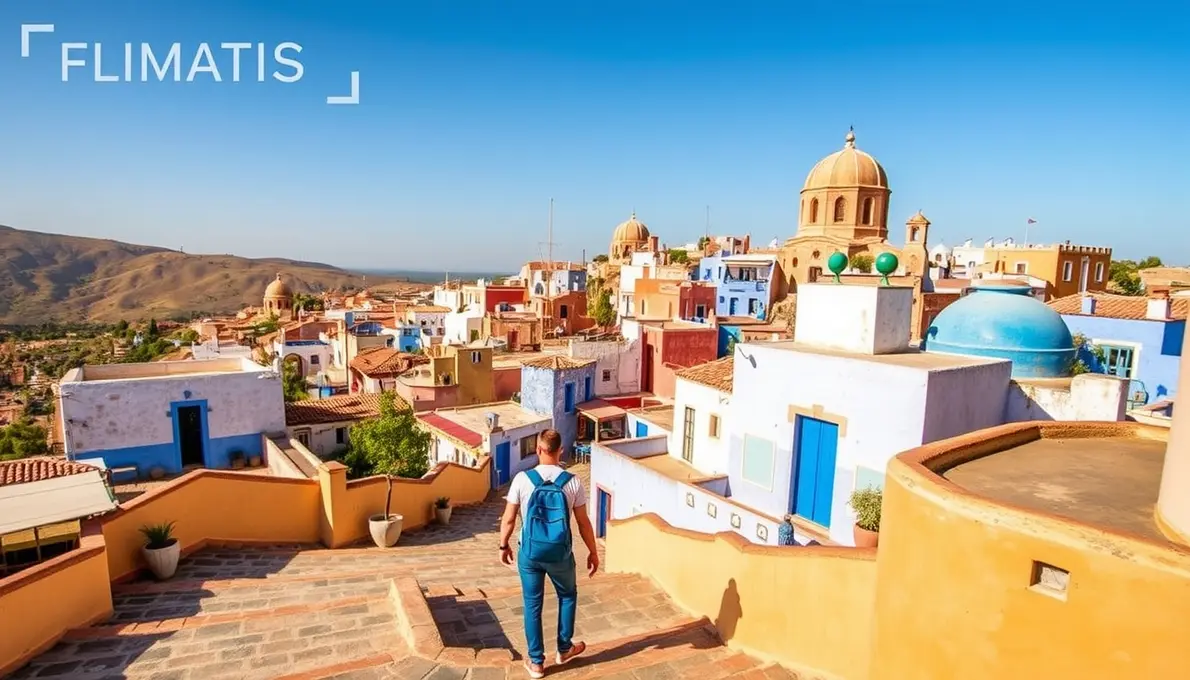
The captivating ‘Blue Pearl’ of Morocco, Chefchaouen, is a photographer’s paradise, a living canvas painted in a mesmerizing palette of azure and indigo. This ultimate Chefchaouen photography guide will unlock the secrets to capturing its unique charm, providing insights into the best spots and the subtle nuances of its famed blue streets. Every corner offers a picturesque scene, from sun-drenched alleyways to the intricate details of traditional doorways, making it an essential destination for anyone with a camera.
Decoding the Blue Palette: Understanding Chefchaouen’s Unique Light
Chefchaouen isn’t just blue; it’s every shade of blue. From sky blue to royal blue, indigo to periwinkle, the city presents an ever-changing spectacle depending on the time of day, the weather, and the specific pigment used on each wall. As a photographer, understanding this dynamic palette is key to capturing the city’s true essence. Early mornings, just after sunrise, offer a soft, diffused light that gently illuminates the narrow lanes without harsh shadows, perfect for conveying a sense of calm and mystery. The blues appear deeper and richer, almost velvety. Midday sun, while often challenging in other locations, can surprisingly accentuate the vibrant intensity of the blue walls, especially when contrasted with the occasional bright splashes of potted plants or colorful textiles. However, harsh midday light can also create strong contrasts that might blow out highlights or deepen shadows excessively, so careful exposure compensation is crucial. As the afternoon progresses towards sunset, the golden hour casts a warm glow, creating a beautiful interplay of cool blues and warm oranges, adding a magical, ethereal quality to your shots. Experimenting with white balance settings can further enhance these effects, allowing you to either maintain the ‘true’ blue or introduce warmer or cooler tones to suit your artistic vision. Consider how the light interacts with different textures – the rough plaster of old walls, the smooth, worn steps, or the intricately carved wooden doors – each reacts differently to light, adding depth and storytelling to your images.
Navigating the Labyrinth: Prime Photo Ops in the Old Medina
The core of any Chefchaouen photography guide revolves around its ancient medina. This is where the magic truly unfolds, labyrinthine alleys winding up and down, revealing unexpected vistas and quiet corners. Forget grand monuments; here, the beauty lies in the details and the overall immersive experience. Start your exploration at Place Outa el Hammam, the main square. While a popular spot, arrive early to capture its architecture and the Grand Mosque’s minaret without the crowds. From here, branch out into the surrounding alleys. The streets leading off the square, particularly those heading east and uphill, tend to be some of the most vibrantly blue and well-maintained. Look for the iconic Instagrammable spots: the staircase with a small tree growing out of the wall, the various arched doorways, and the occasional glimpses of the Rif Mountains in the distance framed by blue walls.
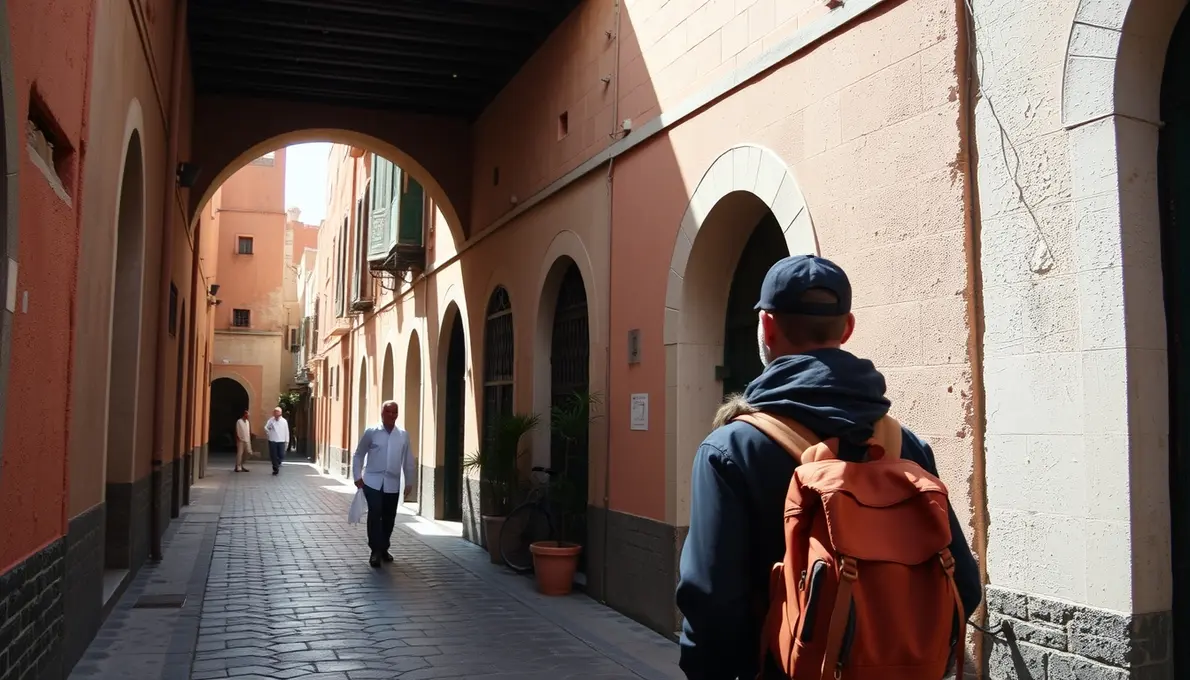
Don’t just point and shoot; compose your shots. Look for leading lines in the narrow passages, reflections in puddles after a rain shower, or the patterns created by geometric tiles. The famous blue stairs are a must-capture, but try to find unique angles, perhaps focusing on the interplay of light and shadow, or incorporating a local passing by to add a human element. These impromptu moments often yield the most authentic and captivating photographs. Pay attention to the details: the small pots of flowers hanging from windows, the worn texture of ancient wooden doors with their ornate knockers, and the intricate tile work on fountains. These elements add character and tell a story beyond just the color blue. Remember that while photography is welcomed, always be respectful of locals, especially if taking their picture. A simple “salamu alaykum” and a gesture often go a long way.
Beyond the Obvious Blues: Capturing Local Life and Culture
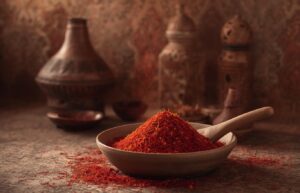
While the blue walls are undeniably the star, a truly comprehensive Chefchaouen photography guide encourages looking beyond the surface. The soul of Chefchaouen also resides in its people and their daily routines. Documenting local life adds a layer of authenticity and narrative depth to your photographic diary. Head to the local markets (souks) in the morning, where vendors display colorful spices, fresh produce, and handmade crafts against the blue backdrop. The vibrant reds, yellows, and greens of the market stalls pop beautifully against the cool blues of the city. Seek out artisans working in their workshops – weavers, leatherworkers, or carpenters – their skilled hands creating beautiful pieces. These are moments of genuine Moroccan culture that provide compelling visual stories.
Children playing in the alleys, shopkeepers sipping mint tea, or elderly men chatting on doorsteps also offer rich photo opportunities. Always ask for permission before taking photographs of individuals, particularly close-up portraits. A smile and a polite gesture can often bridge language barriers. Sometimes, a small tip is appreciated, especially if you’re asking to photograph a specific shop or stall. Don’t be afraid to pull back and capture wider street scenes to show the overall atmosphere of daily life unfolding amidst the blue. The contrast between the timeless blue architecture and the hustle and bustle of modern life can be striking. Observing for a while before pressing the shutter can lead to more candid and natural shots, offering a glimpse into the everyday rhythm of this unique city.
Strategic Vantage Points: Elevating Your Chefchaouen Perspectives
To truly round out your Chefchaouen photography guide, you need to explore various elevations and angles. The city, nestled in the Rif Mountains, offers several natural vantage points that provide stunning panoramic views, perfect for capturing the sprawling blue tapestry.
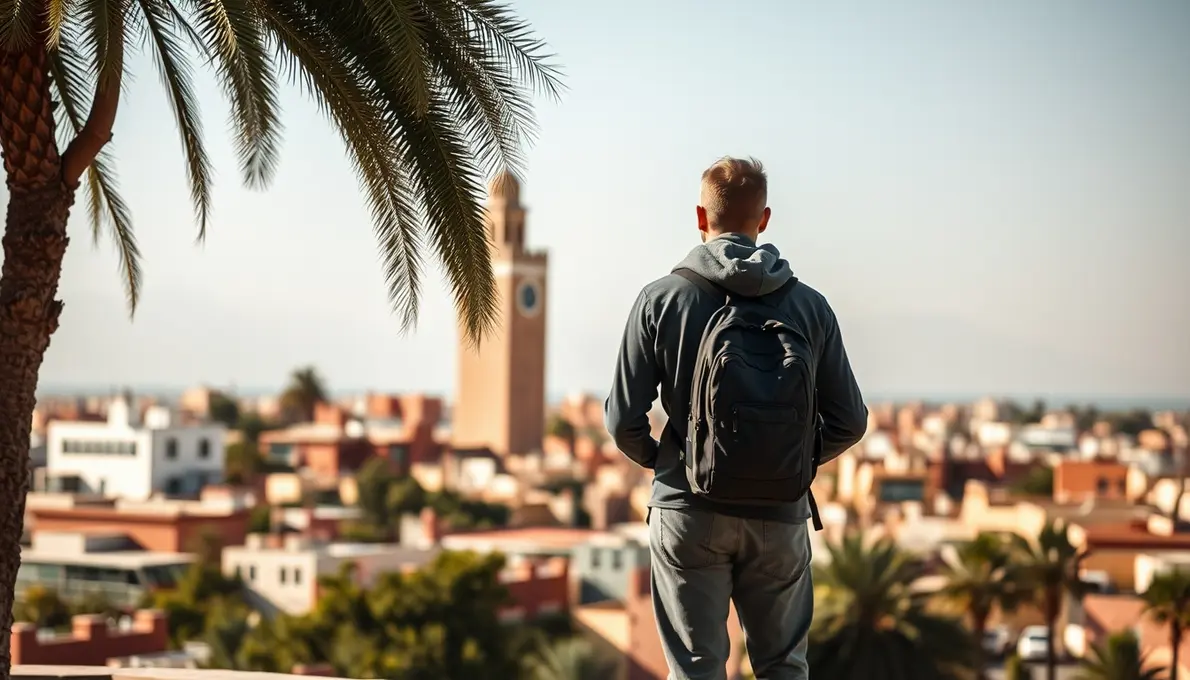
One of the most popular and easily accessible spots is the Spanish Mosque (Buzafar Mosque) located on a hill overlooking the medina. The hike up is a pleasant twenty to thirty-minute stroll, and it’s particularly rewarding around sunset. From here, you can capture the entire city bathed in the warm light, with the intricate rooftops, minarets, and the distinct blue hue stretching out before you. It’s a breathtaking sight and offers a completely different perspective than the street-level shots. Aim for shots that frame the city against the backdrop of the mountains, showcasing its unique geographical setting.
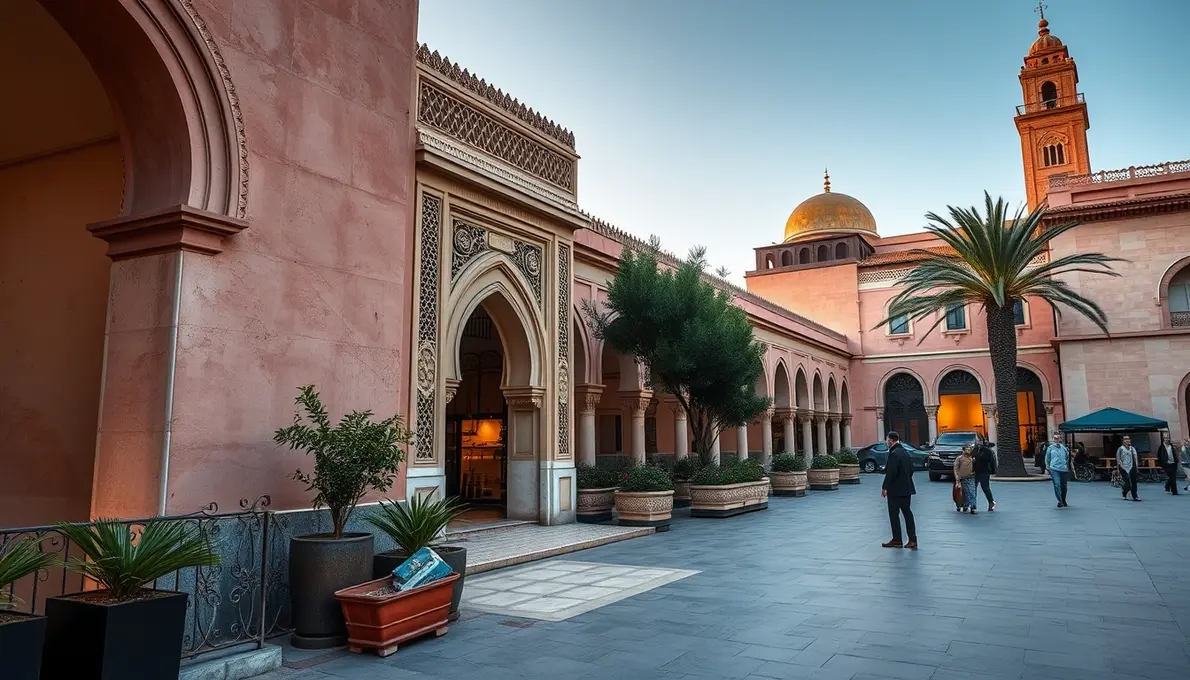
Another less common but equally rewarding perspective can be found by exploring the outer edges of the medina, along the city walls. While perhaps not offering the same wide panorama as the Spanish Mosque, these areas often provide interesting views down into the heart of the city through gaps in the buildings, or across a specific neighborhood. Look for cafes or riads with rooftop terraces. Many establishments in Chefchaouen offer stunning views, often with a cup of mint tea allowing you to relax and compose your shots. These elevated positions are fantastic for showing the density of the buildings and how the blue Chefchaouen blue streets blend together, almost like a flowing river of color. Experiment with wide-angle lenses here to capture the grandeur of the landscape, or telephoto lenses to pick out specific details or patterns within the city below.
Equipment Essentials & Practical Tips for Blue City Snaps
Preparing your camera gear for Chefchaouen is straightforward but crucial for maximizing your photographic output. This part of your Chefchaouen photography guide focuses on what to bring and how to use it effectively.
Camera Body: A DSLR or mirrorless camera offers the most flexibility with interchangeable lenses and manual controls. However, modern smartphones with their advanced computational photography can also produce stunning results, especially in good lighting.
Lenses:
- Wide-angle lens (16-35mm equivalent): Essential for capturing the narrow alleys, atmospheric street scenes, and the expansive city views from elevated positions. It helps convey the sense of immersion in the blue streets.
- Standard zoom lens (24-70mm equivalent): Your versatile workhorse for general street photography, environmental portraits, and capturing details.
- Prime lens (35mm or 50mm): Offers excellent low-light performance and beautiful shallow depth of field for artistic shots of details like doors, flowers, or portraits.
Accessories:
- Extra Batteries: You’ll be shooting a lot! The cold mountain air can also drain batteries faster.
- Memory Cards: Bring plenty of high-capacity cards.
- Lightweight Tripod: Useful for low-light shots at dawn or dusk, or for creating long exposures to smooth out crowds (though Chefchaouen isn’t as crowded as, say, Marrakech).
- Lens Cleaning Kit: Dust is inevitable.
- Comfortable Walking Shoes: You’ll be climbing many hills and stairs.
- Small Backpack: To carry your gear comfortably.
Photography Tips:
- Timing is Everything: As mentioned, early mornings and late afternoons offer the best light. The soft light of dawn is particularly magical in Chefchaouen.
- Look Up, Look Down: Don’t just focus on eye-level shots. The ceilings of archways, intricate lamps, and even the patterns on the ground can be fascinating.
- Composition: Utilize leading lines, the rule of thirds, and framing (through archways or windows) to create compelling images. The repeating patterns of the blue walls are a natural compositional element.
- Contrast: Look for pops of color against the blue – a bright red door, a vibrant green plant, or a person dressed in colorful attire. This contrast makes your images sing.
- White Balance: Experiment with auto white balance, but also try setting it manually to cloudy or shade to enhance the blues, or custom settings if you’re proficient.
- Respectful Photography: Always be mindful of the local culture. Ask before you photograph people, especially women. Be discreet and avoid being overly intrusive.
- Protect Your Gear: While Chefchaouen is generally safe, be aware of your surroundings, particularly in crowded areas.
For those planning their broader Moroccan adventure, understanding how to transition between cities is key. You might find resources on Chefchaouen photography guide useful for trip planning beyond the Blue City.
Capturing the Blue Secrets: Seasonal Considerations and Hidden Gems
The allure of Chefchaouen’s blue streets shifts subtly with the seasons, offering different photographic opportunities throughout the year. Your Chefchaouen photography guide wouldn’t be complete without considering these nuances.
Spring (March to May): This is arguably the most popular time for photographers. The weather is pleasant, temperatures are mild, and the surrounding Rif Mountains are lush and green. The city’s blue walls seem to sparkle, and vibrant flowers often spill from window boxes, adding beautiful natural accents to your shots. You’ll find excellent light conditions and generally clear skies.
Summer (June to August): While it can get hot, the summer sun makes the blues incredibly vivid. Early morning and late afternoon shoots are critical to avoid harsh mid-day light and the heat. The longer daylight hours mean more time for photography. However, it can also be the busiest season, so expect more people in your shots, which can either be a challenge or an opportunity to capture bustling street life.
Autumn (September to November): Similar to spring, autumn offers comfortable temperatures and often beautiful golden light, particularly in the late afternoon. The light can be softer, and tourist crowds begin to thin out. This can be a great time for contemplative street photography.
Winter (December to February): While cooler and with a higher chance of rain, winter offers a unique perspective. The city feels quieter and more intimate, allowing for truly serene shots of the blue alleys, perhaps even with a moody, atmospheric feel. Sometimes, the Rif Mountains get a dusting of snow, creating a stunning contrast with the blue city below – a truly rare and magical photographic opportunity.
Hidden Gems & Unique Angles:
Beyond the well-trodden paths, Chefchaouen holds many “blue secrets” for the keen observer. Don’t be afraid to veer off the main tourist routes.
- Residential Alleys: Wander into the quieter residential areas. You’ll find more authentic scenes, children playing, and women going about their daily chores. These areas often have charming doorways and unpretentious yet beautiful blue walls.
- The Laundry Lines: Keep an eye out for laundry hung to dry against the blue walls. The colorful clothing creates delightful splashes of contrast and speaks volumes about daily life.
- Cats: Chefchaouen is full of photogenic cats, often contrasting beautifully with their blue surroundings. They add a charming, whimsical touch to many photographs.
- Souk Details: In addition to the broad market shots, focus on the intricate details of items for sale – the textures of carpets, the vibrant colors of spices, the gleam of metalware.
- Reflections: After a rain shower, puddles in the winding streets can create stunning reflections of the blue architecture. These ephemeral moments are truly special.
- Through Archways: Use the many arched doorways and passages to frame your shots, adding depth and a sense of looking into another world.
Conclusion
Chefchaouen is more than just a cluster of blue buildings; it’s an experience, a tranquil escape, and an absolute gift for photographers. From the ever-shifting quality of light dancing on its unique blue walls to the subtle beauty of daily life unfolding in its labyrinthine medina, every moment offers a potential masterpiece. This Chefchaouen photography guide has aimed to equip you with the knowledge and inspiration to capture the city’s magic, revealing its best spots and deepest blue secrets. Whether you’re chasing the perfect golden hour shot from the Spanish Mosque or finding beauty in a humble doorway, take your time, observe, and let the Blue Pearl reveal its many charms through your lens. Your photographic journey through Chefchaouen promises to be as colorful and captivating as the city itself.
FAQs
What time of day is best for photography in Chefchaouen?
The best times for photography are typically early morning (shortly after sunrise) and late afternoon (during the golden hour before sunset). These periods offer soft, diffused light that prevents harsh shadows and enhances the vibrant blues without overexposure. Midday light can be strong, but can also make the colors pop if handled carefully.
Do I need a professional camera for a great Chefchaouen photography guide experience?
While a professional DSLR or mirrorless camera with various lenses will offer the most flexibility and image quality, modern smartphones are incredibly capable. Their advanced cameras and editing apps can capture stunning images, especially in good lighting conditions. The most important tool is your eye for composition and light.
Is it okay to photograph locals in Chefchaouen?
It is generally acceptable to photograph street scenes and markets, but when taking close-up photos of individuals, it is always courteous and respectful to ask for permission first. A simple “salamu alaykum” (hello) and a gesture to your camera, often accompanied by a smile, usually works. Be prepared for some people to politely decline, and always respect their wishes.
What are some unique photographic opportunities beyond the blue walls?
Beyond the iconic blue walls, focus on capturing candid moments of local life – artisans at work, children playing, or people sipping mint tea. Look for colorful details in the souks, the intricate designs of traditional doors, the textures of old walls, and the numerous stray cats that add charm to the city. Don’t forget the panoramic views from elevated points like the Spanish Mosque.



 Covers cities, coast, mountains, desert & food