can you see morocco from spain
The Strait of Gibraltar, a narrow waterway, has long fascinated many. It separates Europe from Africa. On a clear day, the distance between Spain’s southern tip and Morocco’s northern coast is just a few kilometers.
Many wonder if you can see Morocco from Spain. The answer depends on the geography and factors that affect visibility across the strait.
Morocco’s close proximity to Spain makes for an interesting sight. It sparks curiosity about seeing Morocco from Spain.
Key Takeaways
- The distance between Spain and Morocco is relatively short.
- Visibility across the Strait of Gibraltar depends on weather conditions.
- The geography of the region plays a crucial role in determining visibility.
- On a clear day, it is possible to see the coast of Morocco from certain points in Spain.
- The Strait of Gibraltar is a significant geographical feature separating Europe and Africa.
The Geographic Relationship Between Spain and Morocco
The Strait of Gibraltar is a key feature that divides Europe from Africa. It also links the Atlantic Ocean to the Mediterranean Sea. This strait has been crucial for global trade and cultural exchange.
Continental Positioning of Europe and Africa
Europe and Africa are ancient continents separated by geological events millions of years ago. The Strait of Gibraltar is the closest point between them. Spain is Europe’s southernmost part, and Morocco is Africa’s northernmost.
The Strait of Gibraltar is about 14 kilometers (9 miles) wide at its narrowest. This close distance has made it easy for cultures, goods, and ideas to flow between the continents.
The Mediterranean Connection
The Mediterranean Sea connects to the Atlantic Ocean through the Strait of Gibraltar. It’s vital for the climate and economy of nearby areas. The Mediterranean has fostered diverse marine life and been a center for trade and cultural exchange.
| Geographical Feature | Description |
|---|---|
| Strait of Gibraltar | Separates Europe from Africa, connecting the Atlantic Ocean to the Mediterranean Sea |
| Mediterranean Sea | A semi-enclosed sea connected to the Atlantic Ocean via the Strait of Gibraltar |
The geography between Spain and Morocco is deeply connected to the Strait of Gibraltar and the Mediterranean Sea. This unique geography has influenced the region’s history, culture, and economy.
The Strait of Gibraltar: A Narrow Maritime Divide
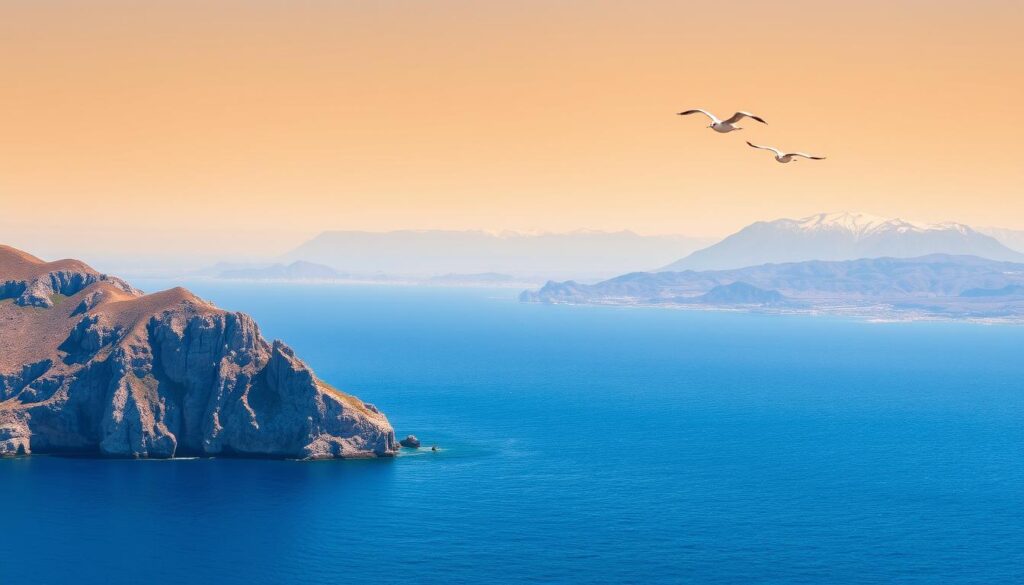
Standing at Spain’s southern tip, you can almost see Africa across the Strait of Gibraltar. This narrow waterway links the Mediterranean Sea to the Atlantic Ocean. It has been important for centuries, both geographically and historically.
Formation and Geological History
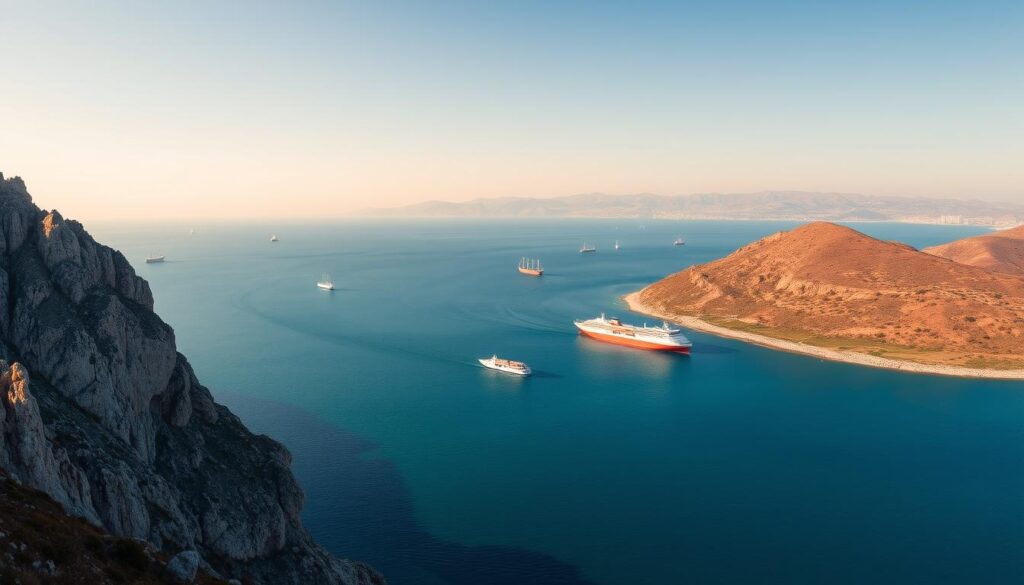
The Strait of Gibraltar was created about 5.9 million years ago. This happened during the Messinian salinity crisis, when the Mediterranean Sea dried up. The Zanclean flood later refilled it, forming the strait we see today.
This event changed the landscape and affected the climate and ecosystems nearby. It shows how Earth’s geology is always changing.
The strait’s geological history is complex, with evidence of tectonic activity and changes in sea levels over millions of years.
Current Dimensions and Characteristics
The Strait of Gibraltar is about 14 kilometers wide at its narrowest. This makes it one of the closest points between Europe and Africa. The surrounding land is relatively low, allowing for clear views between Spain and Morocco under good weather.
The strait’s depth varies, with some areas over 900 meters deep. This depth helps with maritime traffic between the two seas.
The narrow width of the strait has significant implications for navigation, trade, and even military strategy.
Strategic Importance Throughout History
The Strait of Gibraltar has always been a key waterway. It controls access between the Mediterranean and the Atlantic. Many civilizations, from the Phoenicians to today’s nations, have recognized its importance.
“The control of the Strait of Gibraltar has been a prized possession for empires throughout history, offering dominance over the seas and access to new markets.”
The Strait of Gibraltar is more than a geographical feature. It’s a gateway between two continents and a symbol of the connection between Europe and Africa. Knowing its history and significance helps us understand the complex relationship between geography, climate, and human activity in this unique region.
Can You See Morocco from Spain? The Simple Answer
Many wonder if it’s possible to see Morocco from Spain, given their close proximity across the Strait of Gibraltar. The answer is yes, under the right conditions. The visibility of Morocco from various points in Spain depends on several factors.
Visibility Factors at Play
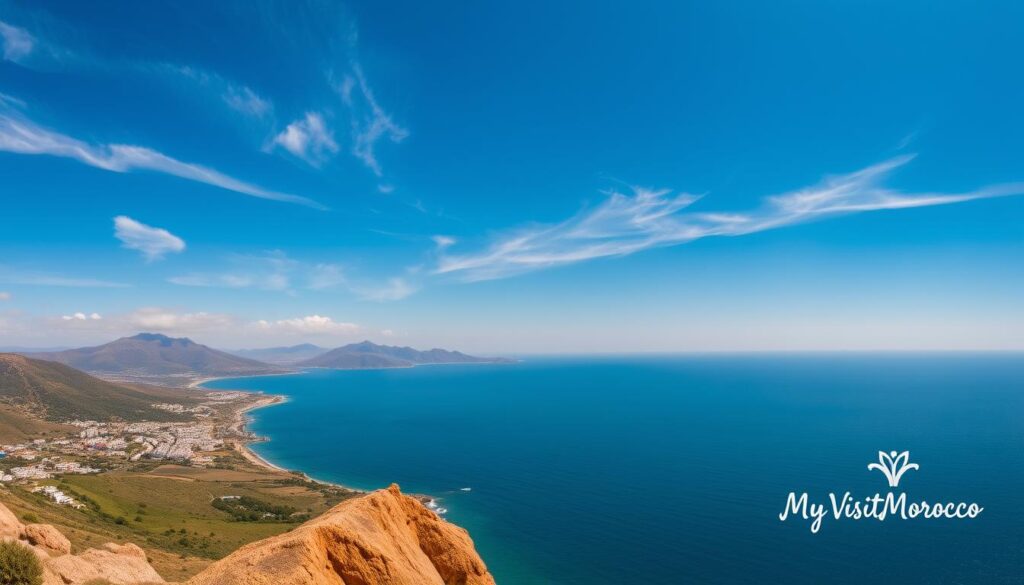
The primary factors influencing visibility include the distance between the observer and the Moroccan coast, atmospheric conditions, and the elevation of the observer’s vantage point. The Strait of Gibraltar is approximately 14 kilometers wide at its narrowest point, making it possible to see Morocco from Spain on a clear day. Atmospheric conditions such as fog, haze, or high humidity can significantly reduce visibility.
Documented Observations
There are numerous accounts from travelers and locals alike who have seen the Moroccan coastline from Spain. Tarifa, the southernmost point of Spain, is particularly known for its clear views of Morocco on days with favorable weather conditions. The table below summarizes some documented observations:
| Location | Visibility Conditions | Distance to Morocco |
|---|---|---|
| Tarifa | Clear skies, low humidity | 14 km |
| Gibraltar | Favorable weather | 20 km |
| Other coastal towns | Varies | Varies |
These observations highlight the possibility of viewing Morocco from Spain, provided the conditions are right.
The Science of Long-Distance Visibility
Seeing Morocco from Spain is possible due to scientific principles. The Earth’s shape, how light bends in the air, and height all matter. These factors help us see across the Strait of Gibraltar under the right conditions.
Earth’s Curvature and Its Impact
The Earth’s shape affects how far we can see. Its roundness means we can’t see everything that’s far away. On a clear day, we can see about 4.8 kilometers (3 miles) away at eye level.
But, seeing more is possible from higher places. From mountains or tall buildings, we can see much farther.
Atmospheric Refraction Explained
Light bending in the air also plays a big role. This bending lets us see things that are technically below the horizon. On very clear days, this bending can help us see Morocco from Spain.
Elevation’s Role in Visibility
Being higher up changes how far we can see. From mountains or tall buildings, we can see much farther. This is why the best spots for seeing Morocco from Spain are high up.
| Factor | Impact on Visibility | Example |
|---|---|---|
| Earth’s Curvature | Limits line of sight to horizon | Visibility limited to 4.8 km at sea level |
| Atmospheric Refraction | Bends light, enhancing visibility | Allows seeing objects below the horizon |
| Elevation | Increases line of sight distance | Higher vantage points improve visibility |
Best Locations in Spain to View Morocco
Spain is a great place to see Morocco from Europe. The southern coast of Spain has many spots with clear views of Africa. These places offer a unique and educational experience.
Tarifa: Spain’s Southernmost Point
Tarifa is Spain’s southernmost point, perfect for seeing Morocco. It’s famous for its strong winds, attracting windsurfers. On a clear day, you can see Morocco without any blocks, making it a breathtaking sight. You can visit this link for more info on seeing Morocco from Spain.
Gibraltar: The Famous Rock
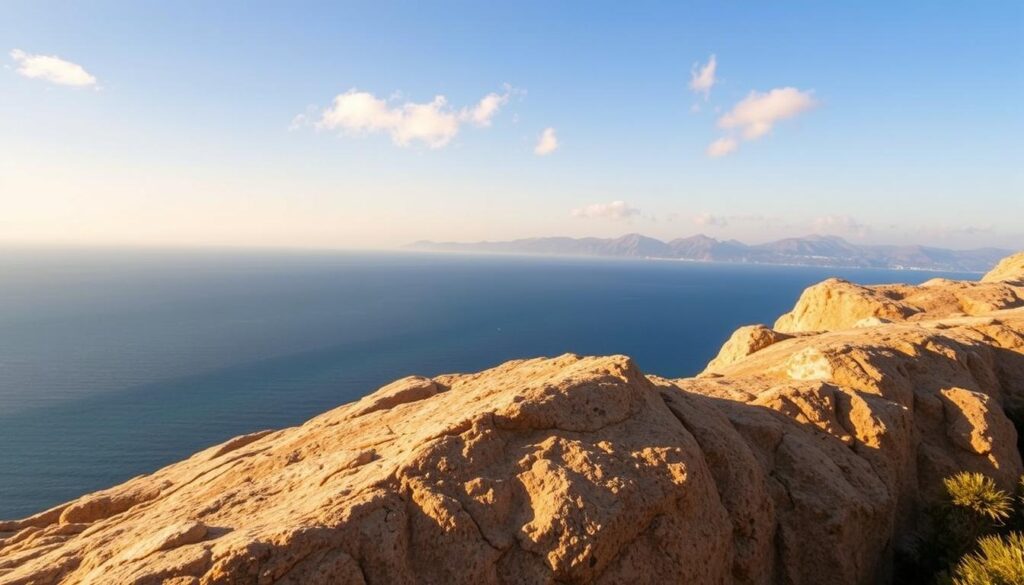
Gibraltar is known for its iconic rock and great views of Morocco. The Rock of Gibraltar is a big landmark with stunning views of the Strait of Gibraltar and Africa. Visitors can see the view from many spots, making it a top place to visit.
Other Prime Viewing Locations
There are more places in southern Spain to see Morocco. These include spots along the coast of Cádiz and Málaga provinces. Some of these places are not as well-known, offering a quieter view for those who want it.
| Location | Province | Notable Feature |
|---|---|---|
| Tarifa | Cádiz | Strong winds, popular for windsurfing |
| Gibraltar | Gibraltar | Iconic Rock formation, panoramic views |
| Marbella | Málaga | Coastal views, upscale tourist destination |
Each spot offers a special view of Europe and Africa’s closeness. Whether you love nature, history, or just seeing another continent, southern Spain has lots to see.
Optimal Conditions for Viewing Morocco from Spain
To see Morocco from Spain clearly, you need good weather, the right time of day, and the best season. Knowing these things helps you see this amazing view.
Weather Considerations
The air’s clarity is key to seeing far. Clear weather conditions are a must. Look for days with calm winds, low humidity, and no fog or heavy clouds.
Also, a light breeze helps keep the air clean. This makes seeing Morocco from Spain better. Check the weather forecast online to plan your trip.
Time of Day and Lighting
The time of day and lighting matter a lot. Early morning and late afternoon are best. The sun’s position reduces glare and makes the view clearer.
Stay away from the middle of the day when it’s too bright. The soft light of early morning and late afternoon is perfect for seeing and taking pictures.
Seasonal Variations
Seasonal changes affect how well you can see Morocco from Spain. Summer is usually the clearest because of the calm and dry air. Winter can be cloudier and more humid, making it harder to see.
Visit during the shoulder season for the best views. The weather is mild and clear. Use ferry services information to plan your trip.
The Actual Distance Between Spain and Morocco
To understand the distance between Spain and Morocco, we need to look at the Strait of Gibraltar. This waterway separates the two countries. Their close proximity has shaped their cultures and histories.
Measuring Across the Strait
The distance between Spain and Morocco varies across the Strait of Gibraltar. At its narrowest, it’s about 14 kilometers. This spot is the shortest distance between Europe and Africa.
“The Strait of Gibraltar is a remarkable natural boundary,” geographers say. “It not only separates two continents but also connects the Mediterranean Sea to the Atlantic Ocean.”
Narrowest and Widest Points
The narrowest point is about 14 kilometers. But the Strait’s width changes. At its widest, it’s around 44 kilometers. This difference is important for understanding sea travel and the strait’s strategic value.
Comparison to Other International Boundaries
The distance between Spain and Morocco is quite small compared to other borders. For example, the Strait of Gibraltar is narrower than many rivers that divide countries. This closeness has led to cultural exchange and historical events.
This proximity has greatly influenced both sides. The short distance between Spain and Morocco highlights the potential for exchange between Europe and Africa.
Spanish Territories in North Africa
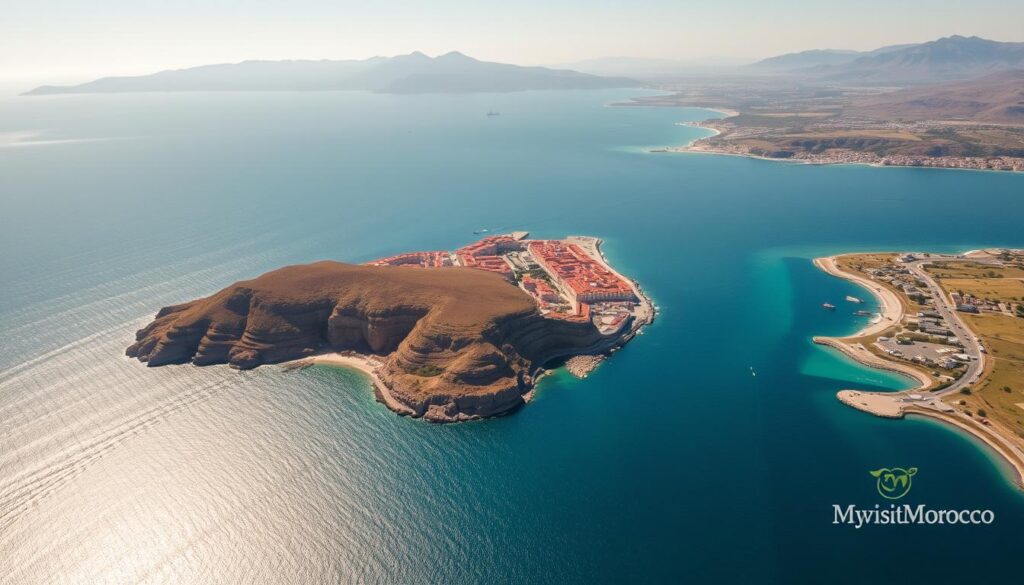
Ceuta and Melilla are Spain’s African territories, showing the strong morocco spain land connection. These two areas on the North African coast are part of Spain. Yet, they are completely surrounded by Morocco.
Ceuta and Melilla: Spain in Africa
Ceuta and Melilla stand out not just geographically but also culturally. They mix Spanish and African cultures. Ceuta is on the western tip of North Africa, and Melilla is further east. Both have been under Spanish rule for centuries.
The Unique Border Situation
The border between these Spanish territories and Morocco is complex. They are fully surrounded by Moroccan land, creating a unique situation. You can cross from Morocco into Spain at several border points. The Morocco-Spain border is a rare land border between Africa and Europe.
Visiting These Territories
Visiting Ceuta and Melilla is a unique experience. You can enjoy Spanish food, culture, and buildings while in Africa. The territories have a rich history with many landmarks and cultural events to see.
| Territory | Population | Area (km²) |
|---|---|---|
| Ceuta | 85,000 | 18.5 |
| Melilla | 86,000 | 12.3 |
Personal Experiences: Seeing Africa from Europe
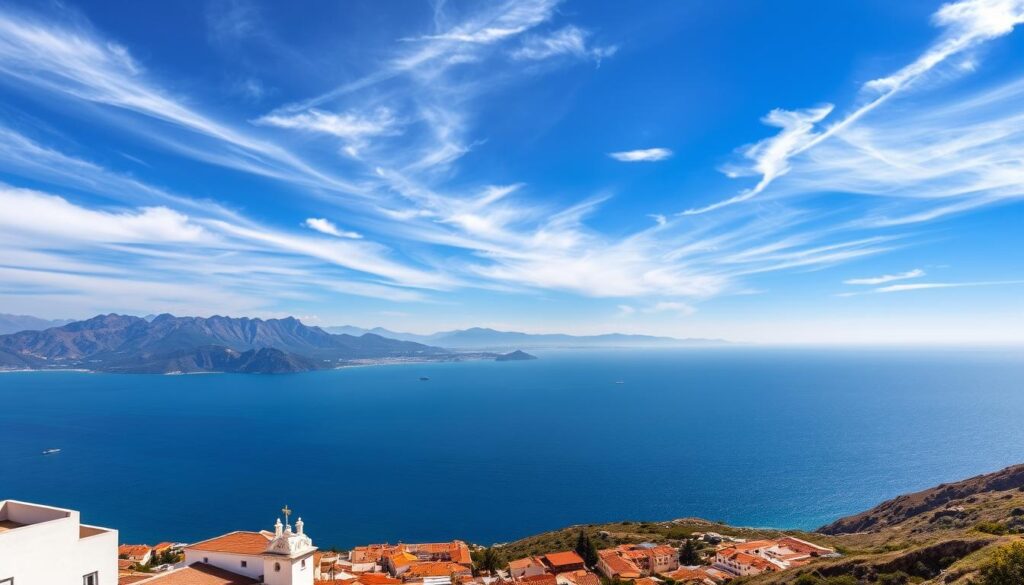
Seeing Africa from Europe is a highlight for many travelers. It’s thrilling and memorable. People share their experiences, showing why it’s so special.
Traveler Testimonials and Accounts
Many have documented seeing Morocco from Spain. One traveler said,
“The moment I saw the African continent from Tarifa was indescribable. The clear sky and calm waters made the view stunning.”
These stories show the emotional impact of seeing Africa from Europe.
Others talk about the importance of the right conditions. Clear weather and a high vantage point are key for a great view.
Photography Tips for Capturing the View
To capture the moment, you need some photography skills. Here are a few tips:
- Use a camera with good zoom capabilities to capture the details.
- Opt for a tripod to stabilize your camera, especially in windy conditions.
- Timing is everything; early morning or late afternoon light can enhance your photos.
Best Times to Witness the Spectacle
The best times to see Africa from Europe depend on weather and time of day. Generally, clear days with minimal haze offer the best visibility. Here’s a simple table to guide you:
| Time of Day | Best For |
|---|---|
| Early Morning | Clear skies, calm seas |
| Late Afternoon | Soft light, fewer crowds |
By planning your visit according to these conditions, you can maximize your chances of witnessing this incredible spectacle.
Modern Travel Between Spain and Morocco
Traveling between Spain and Morocco is easy with ferry services across the Strait of Gibraltar. This journey connects two cultural hubs, blending European and African influences.
Ferry Services Across the Strait
Several companies, like FRS, Balearia, and Inter Shipping, operate ferry services. They run from Spain’s Tarifa, Algeciras, and Gibraltar to Morocco’s Tangier and Ceuta.
Ferry frequencies change with the season. More ferries run during busy times. You can pick from fast ferries that cut down travel time.
Travel Time and Options
Travel times vary by route and ferry type. For example, the high-speed ferry from Tarifa to Tangier is about 35 minutes. Other routes take longer.
There are different ticket options, like economy, tourist, and VIP. Each offers different comfort levels. Booking early is wise, especially in peak seasons.
Border Crossing Information
When traveling, you’ll face border control at both ports. Make sure you have a valid passport and any needed visas.
A seasoned traveler said, “Crossing the Strait of Gibraltar is an adventure. The views are stunning, and the ferries are comfy.” – Traveler’s Journal.
Always check the latest travel advisories and rules before your trip. This ensures a smooth journey.
Future Connections: The Proposed Gibraltar Tunnel
Traveling from Spain to Morocco by land might soon be possible. The proposed Gibraltar Tunnel aims to link Europe and Africa. This project could change how we transport goods and people between the continents.
History of the Project
The idea of the Gibraltar Tunnel started in the 1970s. But serious work began in the 2000s. Governments and investors from Europe and Africa are excited about it.
Technical Challenges and Current Status
Building the Gibraltar Tunnel is tough. The Strait of Gibraltar is deep, and the area’s geology is complex. Yet, engineers are close to designing a 14-mile tunnel.
The project is still in the planning phase. Environmental and geological studies are ongoing. If finished, it will cut travel times and enhance economic ties between Europe and Africa.
Common Misconceptions About Seeing Morocco from Spain
Seeing Morocco from Spain has sparked a lot of curiosity. But, it has also led to many misunderstandings. These misunderstandings come from exaggerated claims and photos that are not real.
Exaggerated Claims in Tourism Materials
Tourism materials often make Morocco seem closer to Spain than it is. Brochures and websites might use sensational language or images that are not true. For example, some say you can see the Atlas Mountains from Spain, which is not correct.
Looking closer at these claims shows they often depend on special conditions or photos that are not real. It’s important to check information from different sources before planning a trip based on these claims.
Photographic Distortions and Reality
Photography greatly affects how we see Morocco from Spain. Telephoto lenses and image editing software can make Morocco seem closer or more visible than it really is. Knowing about these photography tricks helps us understand what we’re seeing better.
| Factor | Impact on Visibility | Reality Check |
|---|---|---|
| Telephoto Lens | Makes Morocco appear closer | Not representative of naked-eye visibility |
| Image Editing | Enhances or manipulates the view | May not reflect actual viewing conditions |
| Atmospheric Conditions | Affects clarity and visibility | Can vary greatly depending on weather |
By understanding these factors, we can have a better idea of what we can see when trying to view Morocco from Spain.
Conclusion
The distance between Spain and Morocco is quite short. The Strait of Gibraltar separates them. Weather and height can affect how well you can see Morocco from Spain.
On a clear day, you can see Morocco from places like Tarifa or Gibraltar. This view is amazing and shows how close Morocco is to Spain.
Traveling between Spain and Morocco is getting easier. Seeing this view is exciting for many. You can go by ferry or maybe even through the Gibraltar Tunnel soon.





 Covers cities, coast, mountains, desert & food