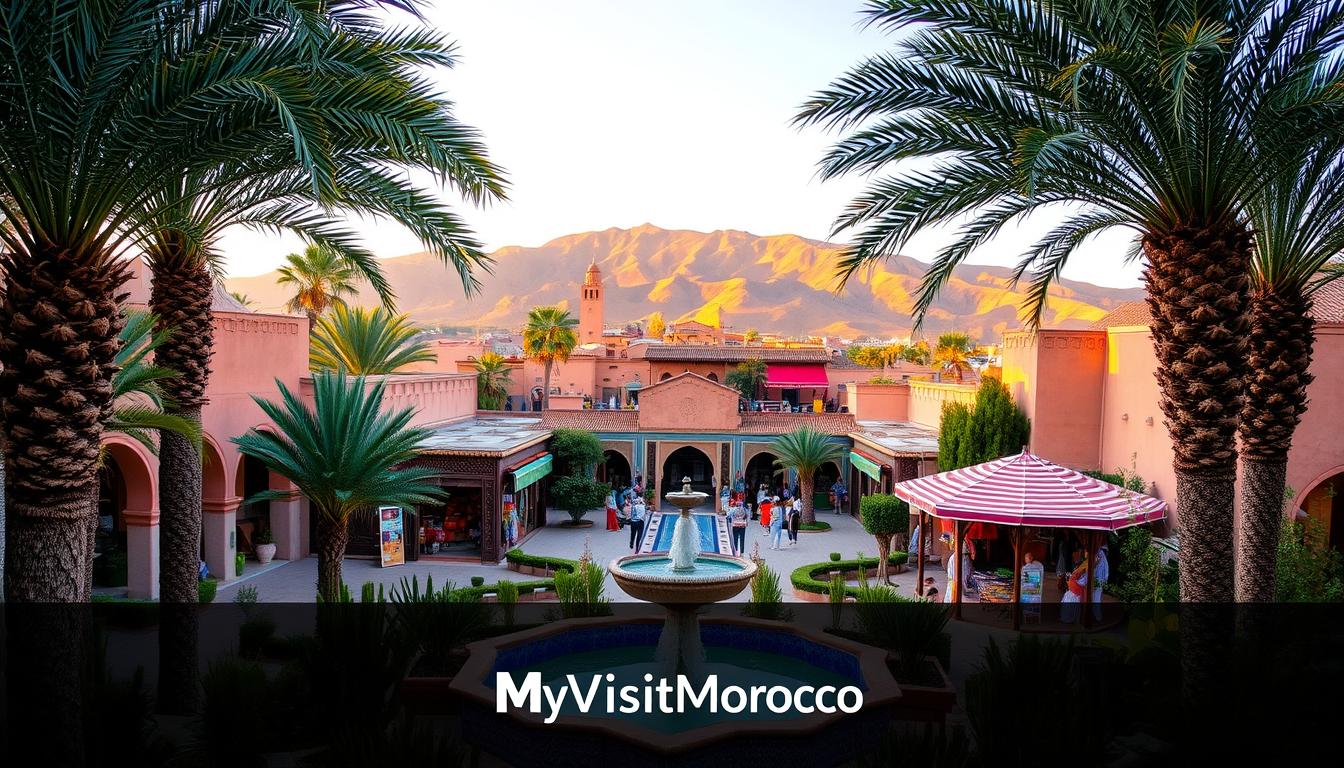
Are you ready for an adventure in Morocco? This country is full of diverse landscapes, rich history, and vibrant culture. From Marrakech’s busy streets to the Sahara Desert’s calm dunes, Morocco is a traveler’s paradise.
Planning your trip, you’ll find Morocco has something for everyone. Whether you want relaxation on the coast, exploration in the mountains, or cultural immersion in historic cities, Morocco has it all. With these morocco travel tips, you’ll make memories that last a lifetime.
Key Takeaways
- Discover the vibrant cities of Morocco, including Marrakech and Fez.
- Explore the natural beauty of Morocco’s diverse landscapes.
- Immerse yourself in Morocco’s rich history and culture.
- Get insider tips on making the most of your Morocco travel experience.
- Learn about the best times to visit different regions of Morocco.
The Magic of Morocco: A Land of Enchantment and Diversity
When you arrive in Morocco, you’re surrounded by sights, smells, and sounds that amaze you. The air is filled with the scent of spices and the chatter of markets. The colors around you seem to come alive.
What Makes Morocco a Must-Visit Destination in 2023
Morocco is a top spot for its rich cultural heritage and diverse landscapes. It mixes old traditions with new, giving visitors a special experience. You can wander through souks, see ancient sites like Fes, or enjoy Essaouira’s beaches.
The country’s varied landscapes, from the Atlas Mountains to the Sahara Desert, offer endless adventures. Whether you love trekking, camel rides, or just enjoying local culture, Morocco has it all.
| Region | Main Attractions | Best Time to Visit |
|---|---|---|
| Marrakech | Jemaa el-Fnaa, Majorelle Garden | Spring, Autumn |
| Fes | Fes el Bali, Al-Attarine Madrasa | Spring, Autumn |
| Essaouira | Beaches, Skalla de la Ville | Summer |
The Perfect Time to Experience Moroccan Magic
The best time to visit Morocco varies by region and what you like. Spring (March to May) and autumn (September to November) are great for nice weather. These times are perfect for city tours, mountain treks, or beach fun without the summer heat.
For cultural fans, Morocco has many festivals all year. The Marrakech International Film Festival and the Essaouira Gnawa Music Festival are highlights. Visiting during these events makes your trip even more special.
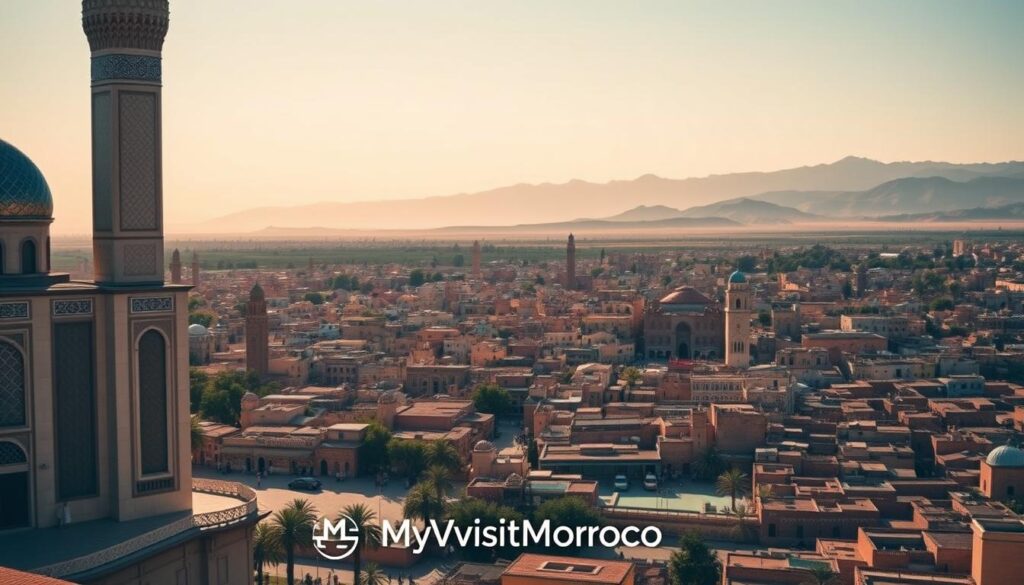
Marrakech: The Red City’s Timeless Appeal
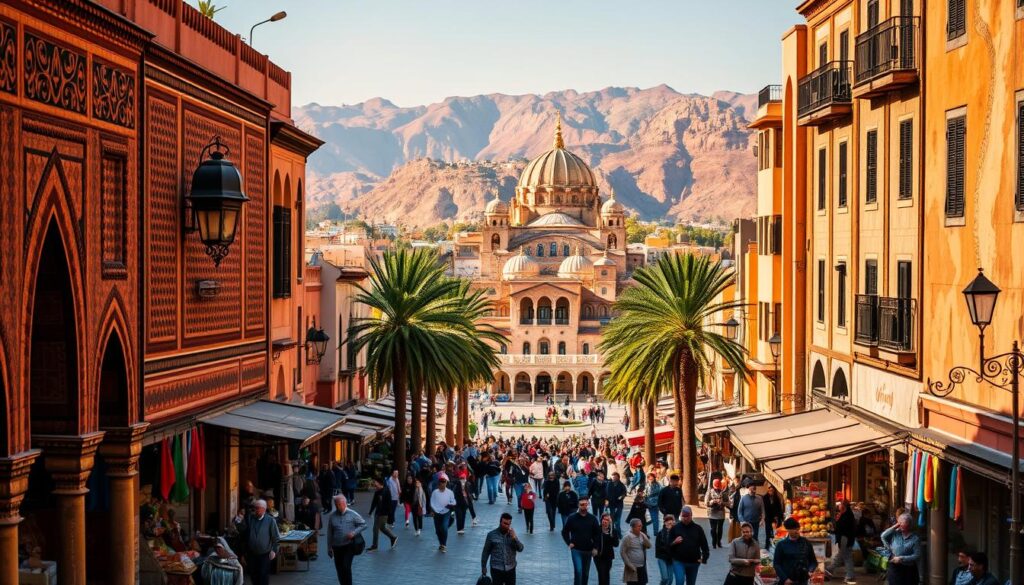
When you arrive in Marrakech, you’re hit with a burst of colors, sounds, and smells. This city is a must-visit location in Morocco. It’s famous for its lively medina, historic sites, and deep cultural roots.
Navigating the Mesmerizing Medina and Jemaa el-Fnaa
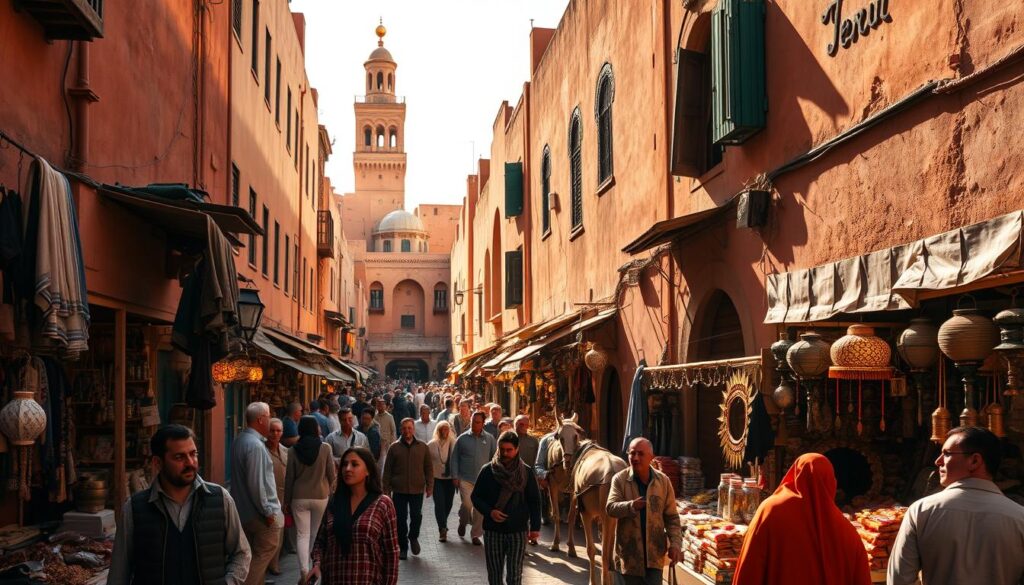
The medina in Marrakech is a world of its own. It’s filled with narrow streets and busy markets. At its heart is Jemaa el-Fnaa, a lively square that comes alive at night. Here, you’ll find street performers, food vendors, and local craftspeople.
For a detailed guide on exploring Marrakech, including the medina and Jemaa el-Fnaa, visit The Luxury Travel List.
Jardin Majorelle and Modern Marrakech
Marrakech also has modern spots like Jardin Majorelle. This beautiful garden was made by French artist Jacques Majorelle. It shows how the city mixes old and new.
For more on Marrakech’s modern side and other places in Morocco, see My Visit Morocco.
Where to Stay in Marrakech for Every Budget
Marrakech has places to stay for all budgets. You can find fancy riads or cozy guesthouses. Whether you want a quiet place or a lively spot in the medina, Marrakech has it.
Think about staying in a riad for a real Moroccan feel. Or choose a modern hotel for comfort and ease.
Fes: Journey Through the Middle Ages
In the heart of Morocco lies Fes, a city that has preserved its medieval heritage with remarkable authenticity. As you wander through its ancient walls, you’re enveloped in a world where tradition and history blend seamlessly.
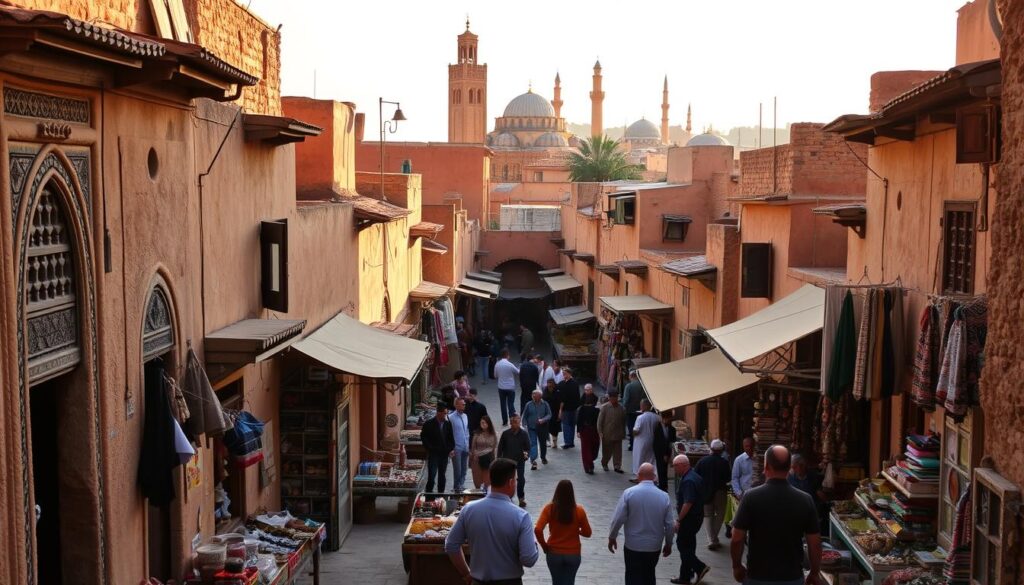
Exploring the Ancient Medina of Fes el Bali
The Medina of Fes el Bali is one of the oldest and largest medieval cities in the world. It’s a labyrinth of narrow alleys and bustling markets. As you explore this UNESCO World Heritage Site, you’ll discover hidden gems, from ancient mosques to traditional craftsmen at work.
A visit to Fes isn’t complete without navigating the famous Jemaa el-Fnaa-like markets. Fes’s version is more subdued, with a focus on traditional crafts and local goods. You can find handmade pottery to intricate woodwork, making it a shopper’s paradise for authentic Moroccan souvenirs.
Traditional Craftsmanship and Cultural Immersion
Fes is renowned for its traditional craftsmanship, with artisans passing down their skills through generations. You can witness this firsthand by visiting workshops where craftsmen work on intricate tile work, carpentry, and weaving. This not only provides a glimpse into Morocco’s rich cultural heritage but also offers an opportunity to support local artisans.
For a deeper cultural immersion, consider staying in a traditional riad. Here, you can experience Moroccan hospitality and cuisine. Many riads also offer cooking classes, allowing you to learn about and prepare traditional Moroccan dishes.
Day Trips to Volubilis and Meknes
While Fes is a treasure trove of history and culture, the surrounding region is also dotted with historical sites worth exploring. A day trip to Volubilis, a Roman archaeological site, and Meknes, another imperial city, offers a fascinating glimpse into Morocco’s diverse historical layers.
| Destination | Highlights | Distance from Fes |
|---|---|---|
| Volubilis | Roman ruins, mosaics | Approx. 1.5 hours |
| Meknes | Imperial city, historic sites | Approx. 1 hour |
These day trips enhance your Fes experience, showcasing the richness of Morocco’s history and the variety of its cultural heritage. They make your journey through Morocco truly unforgettable.
Chefchaouen: The Blue Pearl of Morocco
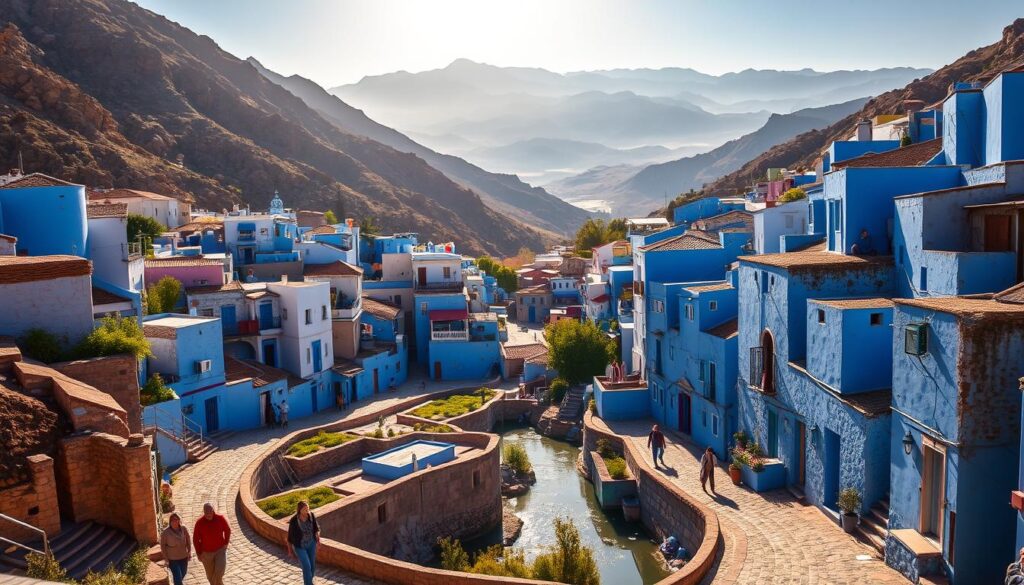
Chefchaouen is nestled in the Rif Mountains. It’s a peaceful spot known for its blue buildings. This town mixes nature and culture, perfect for those wanting a real Moroccan feel.
Wandering the Azure Alleyways
Walking through Chefchaouen’s streets, you’ll see its famous blue colors. The buildings shine in the sun, making the place feel magical. Don’t miss the local markets for crafts and food.
Day Trips to the Rif Mountains
The Rif Mountains around Chefchaouen are full of adventure. You can hike, visit villages, or see wildlife. Talassemtane National Park is a highlight, with its plants, animals, and views.
| Day Trip Destination | Activities | Best Time to Visit |
|---|---|---|
| Talassemtane National Park | Hiking, Wildlife Spotting | Spring, Autumn |
| Rif Mountains | Trekking, Village Visits | Year-round |
| Local Villages | Cultural Immersion, Local Crafts | Year-round |
Essaouira: Coastal Charm and Artistic Heritage
Essaouira is a unique gem on Morocco’s coast. It offers a mix of Atlantic breezes and artistic heritage. This town is perfect for those who want to relax and dive into local culture.
Walking through Essaouira’s medina, you’ll feel the sea’s rhythm and see local artisans’ creativity.
Atlantic Breezes and Beach Activities
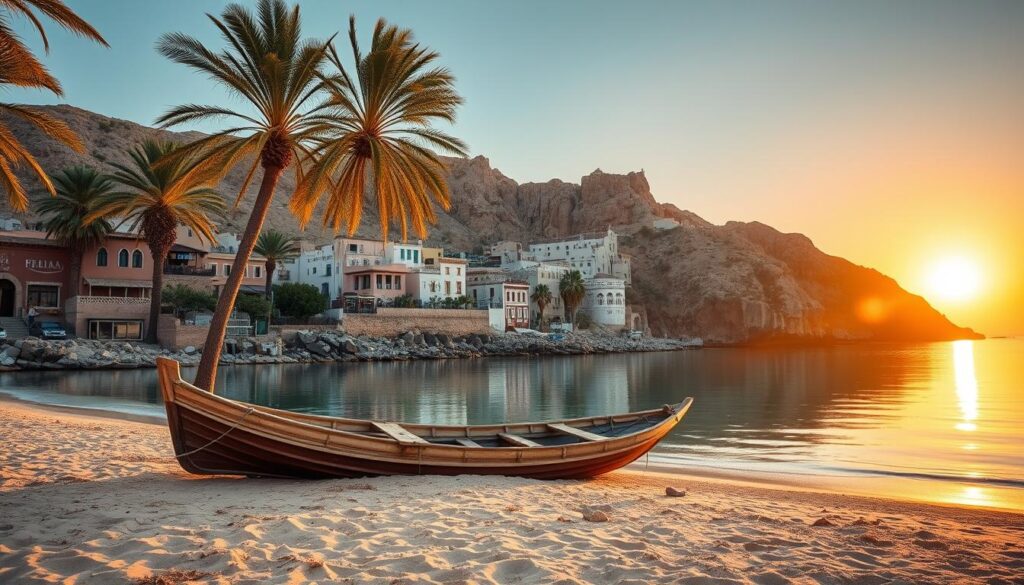
Essaouira’s coast is great for windsurfers and kitesurfers because of its steady winds. The wide, sandy beaches are ideal for swimming, sunbathing, and beachcombing. At sunset, the town becomes even more magical, with the sound of waves and the smell of seafood.
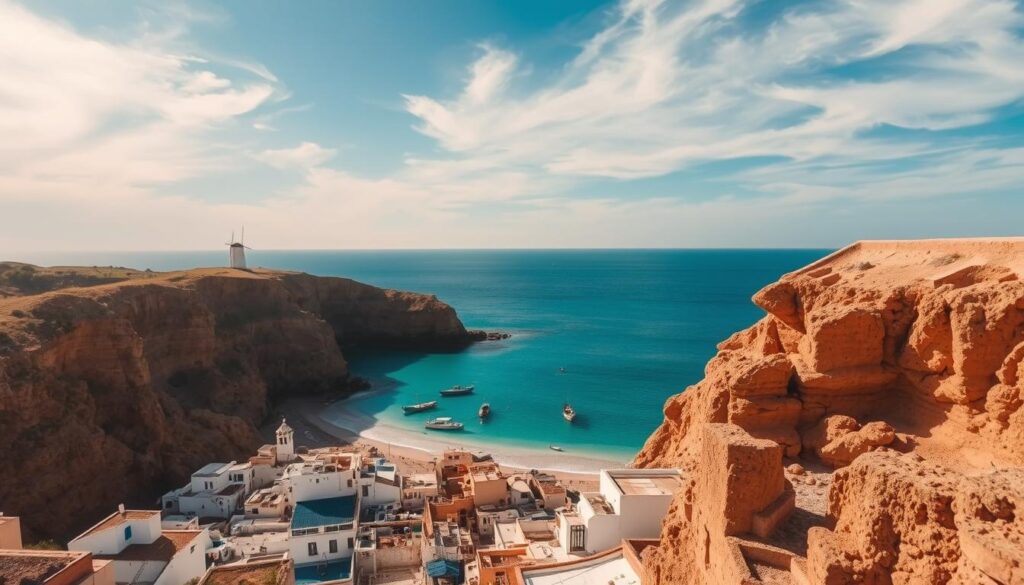
The Cultural Melting Pot of Essaouira
Essaouira is more than a beautiful coastal town. It’s a place where African, Arab, and European cultures blend. The town is known for its lively arts scene, with many galleries showcasing local artists.
Visitors can explore the bustling souks to find unique handicrafts. A local artist said,
“Essaouira’s unique light and atmosphere inspire creativity in everyone who visits.”
This mix of cultures and art makes Essaouira a special Moroccan getaway.
When you visit Essaouira, use some morocco travel tips to make your trip better. Whether you want to relax on the beach, explore the culture, or try water sports, Essaouira has something for everyone.
The Sahara Desert: Unforgettable Adventures in the Dunes
The Sahara Desert is a place of golden sands and star-filled skies. It’s a destination that will leave you with memories that last a lifetime. As you explore this vast desert, you’ll find a world full of adventure and peace.
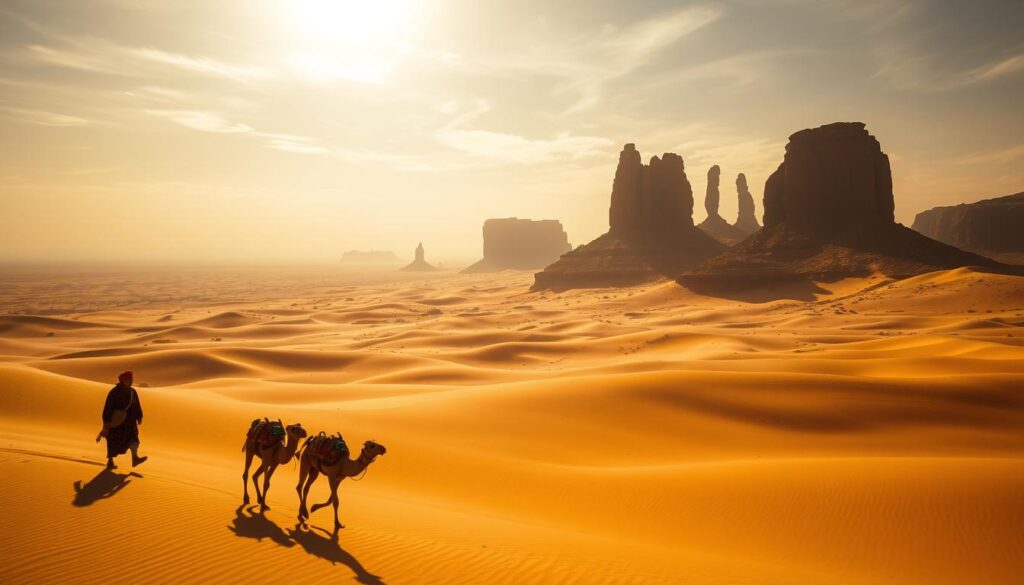
Merzouga vs. Zagora: Choosing Your Desert Experience
When planning your Sahara Desert adventure, you might choose between Merzouga and Zagora. Merzouga is famous for its tall dunes and lively desert life. It’s perfect for those who love action.
Zagora, on the other hand, is more relaxed. It’s great for those who want to enjoy the desert at their own pace.
| Location | Key Features | Best For |
|---|---|---|
| Merzouga | Towering dunes, desert life | Adventure seekers |
| Zagora | Laid-back atmosphere, leisurely exploration | Those seeking relaxation |
Camel Treks and Berber Camps Under the Stars
A camel trek through the Sahara Desert is unique. You’ll see the desert’s beauty as you ride through the dunes. Berber camps let you experience local culture, with delicious food and friendly people.
Under the stars, you’ll have a night to remember in the desert.
Tips for Camel Treks: Wear comfy clothes and apply sunscreen. The trek is tough, but the views are worth it.
Photography Tips for Desert Landscapes
Photographing the Sahara Desert needs skill and planning. The golden hour, just before or after sunset, is best for photos. Use a tripod and try different angles and shots.
The Sahara Desert is a photographer’s dream, with its changing light and huge dunes.
Atlas Mountains: Trekking Through Breathtaking Landscapes
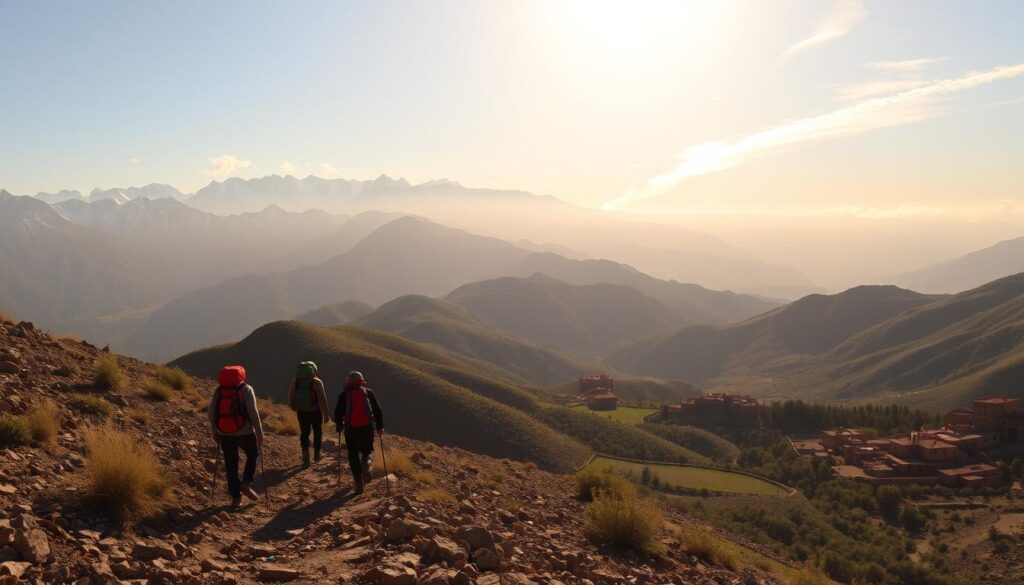
The Atlas Mountains are a trekker’s dream, with stunning views from lush valleys to rugged peaks. You’ll see a wide variety of plants and animals. You’ll also learn about the rich culture of the Berber people.
Toubkal National Park and Summit Challenges
Toubkal National Park is a gem in the Atlas Mountains. It has Jbel Toubkal, the highest peak in North Africa. Climbing to the summit is tough but gives you amazing views.
The park has valleys, gorges, and alpine lakes. It’s perfect for those who love nature and adventure.
Key trekking routes in Toubkal National Park include:
- The standard route to Jbel Toubkal’s summit
- The Imlil to Tacheddirt trail, offering scenic views of the valley
- The circuit around the Tazaghart plateau, known for its wildflowers and rugged terrain
Berber Villages and Cultural Encounters
The Atlas Mountains have many Berber villages. Here, you can see how locals live. You can visit markets, learn crafts, and try local food.
“The Berber people are known for their warm hospitality, and visiting their villages is a highlight of trekking in the Atlas Mountains.”
Ourika Valley and Accessible Day Hikes
The Ourika Valley is great for easy day hikes. It has beautiful villages, fields, and gorges. You can visit villages, see nature, or just walk by the river.
When planning your Atlas Mountains trek, think about Morocco travel tips. Hiring a local guide can make your trip better. Exploring the Atlas Mountains is a way to see Morocco’s beauty and culture.
Best Places to Travel Morocco for City Explorers
Morocco’s cities are full of life, from Casablanca’s busy streets to Rabat’s old charm. You’ll find a mix of traditional culture, modern comforts, and historical sites. This makes Morocco a special place to visit.
Casablanca: Modern Morocco Meets Traditional Roots
Casablanca is Morocco’s economic center, blending modern and traditional. Don’t miss the Hassan II Mosque. It’s a huge mosque that shows off the city’s rich culture.
Hassan II Mosque and Architectural Marvels
The Hassan II Mosque is a top spot, with beautiful stone work and sea views. It’s a showcase of Moroccan skill, telling the story of the country’s history and culture.
Contemporary Urban Experiences
Casablanca also has a lively city vibe. You can find cool cafes, art spots, and shops. Take a walk along the Corniche for a taste of the city’s vibe.
Rabat: The Elegant Capital
Rabat, Morocco’s capital, is known for its beautiful buildings and history. Check out the Rabat Medina, a UNESCO site, and see the Kasbah of the Udayas. It’s a 12th-century fortress with amazing sea views.
Tangier: Gateway Between Continents
Tangier sits on the Strait of Gibraltar, with a history shaped by Phoenicians, Romans, and Arabs. Visit the Kasbah and the American Legation Museum. It’s a cultural spot that shows Tangier’s ties to the U.S.
For more travel tips in Morocco, see this guide on the best places to visit. It offers great advice and suggestions for your trip.
Coastal Escapes: Morocco’s Atlantic and Mediterranean Shores
Exploring Morocco’s coast is a mix of calm and excitement. The long coastline has many towns, each with its own special feel and sights.
Agadir and the Southern Coast
Agadir is a favorite spot on Morocco’s southern coast. It’s famous for its stunning beaches and lively night scene. You can try water sports, walk along the beach, or relax in a resort.
The area around Agadir is also great for hiking and visiting Berber villages.
Al Hoceima and the Mediterranean
Al Hoceima sits on the Mediterranean coast. It’s a lovely town with a rich history and natural wonders. You can see the Kasbah or enjoy the beaches and views.
The Al Hoceima National Park nearby is perfect for hiking and spotting wildlife.
Asilah: The Artistic Coastal Town
Asilah is a beautiful town north of Rabat, known for its art and culture. You can explore the streets, see street art, and visit the International Cultural Festival every year. The beaches and fortifications are also worth seeing.
These coastal spots are among Morocco’s top destinations. They offer relaxation, culture, and adventure. Whether you want to relax on the beach, see historic sites, or dive into local culture, Morocco’s coast has it all.
Historical Treasures: Ancient Sites and Imperial Cities
Exploring Morocco reveals a wealth of historical sites. These sites show the country’s varied cultural heritage. Morocco’s past is seen in its ancient ruins, imperial cities, and historic towns.
Morocco boasts many historical treasures. Places like Meknes, Volubilis, and Tetouan reflect its rich history and cultural diversity.
Meknes: The Underrated Imperial City
Meknes was Morocco’s capital under Sultan Moulay Ismail. It’s known for its history and architecture. The Bab Mansour gate is a highlight, showing Morocco’s grandeur.
Visitors can wander the historic medina. They can also see the Mausoleum of Moulay Ismail. The city’s mix of traditional and imperial styles is unique.
- Explore the historic medina and its souks
- Visit the Mausoleum of Moulay Ismail
- Discover the grandeur of Bab Mansour gate
Volubilis: Roman Ruins in North Africa
Volubilis is a well-preserved Roman site in North Africa. It offers a look into Morocco’s ancient past. The site has impressive mosaics and Roman architecture.
Visitors can walk the ancient streets. They can see the Capitol and admire the mosaics in ancient homes.
- Walk through the ancient Roman streets
- Explore the Capitol and other Roman structures
- Admire the intricate mosaics
Tetouan: The White Dove
Tetouan, called the “White Dove,” is a historic town in the Rif Mountains. Its medina is a UNESCO World Heritage Site. It combines Andalusian and Moroccan styles.
Visitors can explore the medina’s narrow streets. They can also visit the Archaeological Museum. The town’s calm atmosphere is a bonus.
- Explore the medina and its narrow streets
- Visit the Archaeological Museum
- Enjoy the tranquil atmosphere of the town
Morocco’s historical sites are a treasure trove for history lovers and travelers. Each site offers a glimpse into Morocco’s rich cultural heritage and history.
Best Places to Travel Morocco for Food Enthusiasts
Morocco is a dream for food lovers, with its lively markets, fragrant spices, and tasty dishes. As you explore this North African country, you’ll find a rich food culture. It shows the mix of different cultures.
Regional Specialties Worth Seeking Out
In Morocco, each region has its own special dishes and ingredients. The north offers refined Andalusian cuisine, known for olives, preserved lemons, and spices. The coast is famous for fresh seafood, and the Atlas Mountains are known for their tagines and stews. Make sure to try the local dishes wherever you go in Morocco.
Must-try foods include tagine, a slow-cooked stew, and couscous, a semolina flour dish. Also, don’t miss the local pastries like baklava and ghriba.
Cooking Classes and Food Tours
For a deep dive into Moroccan food, take a cooking class or join a food tour. These let you learn about local ingredients, cooking methods, and the stories behind dishes. Many classes are in traditional riads, where you’ll make classic Moroccan meals.
Food tours, meanwhile, take you through markets and eateries. You’ll try street food, local treats, and hidden spots you might not find alone.
Navigating Moroccan Markets for Culinary Treasures
Moroccan markets, or souks, are a goldmine for food lovers. You’ll find spices, fresh produce, and local goods. When you’re there, talk to the vendors and try new things. Explore different stalls to find the best ingredients and dishes.
Exploring Morocco’s food scene lets you enjoy great meals and learn about the culture and traditions. Whether you’re trying street food, taking a cooking class, or just wandering markets, your food adventure in Morocco will be unforgettable.
Authentic Cultural Experiences in Morocco
Morocco is full of vibrant festivals and serene hammams. These experiences let you dive into its rich heritage. You’ll find that its true beauty is in its landscapes, people, and traditions.
Hammams, Festivals, and Traditional Ceremonies
Visiting a traditional hammam is a must. It’s a place to relax and enjoy a steamy bath with massages. Morocco’s festivals, like the Marrakech International Film Festival and the Essaouira Gnawa Music Festival, show off its cultural variety. Watching a Berber wedding gives you a peek into local traditions.
Artisan Workshops and Handicraft Shopping
Morocco is famous for its crafts, like woodworking and pottery. Workshops let you see the skill in these crafts. Shopping in souks and markets is also fun, where you can find unique tiles and carpets.
Music and Performance Arts Across Morocco
Music and performance are big in Morocco. Essaouira’s Gnawa music and Meknes’ Aïssaoua performers are highlights. Attending a show or workshop is a great way to connect with the culture.
Off the Beaten Path: Hidden Gems in Morocco
Morocco has many secret spots that are not on the usual tourist paths. These places offer unique experiences. You’ll find history, culture, and stunning natural beauty in these hidden areas.
Aït Benhaddou is a UNESCO World Heritage site. It’s on the Road of a Thousand Kasbahs. This ancient village shows off Morocco’s amazing architecture.
Aït Benhaddou and the Road of a Thousand Kasbahs
Aït Benhaddou is more than just a site. It’s part of a vast historical area with many kasbahs. The road offers stunning views and a chance to see Morocco’s historic sites.
Tafraoute and the Anti-Atlas Region
Tafraoute is in the Anti-Atlas mountains. It’s perfect for nature lovers and those seeking peace. The area has granite rocks, valleys, and Berber villages. You can hike, climb rocks, or just enjoy the views.
Sidi Ifni and the Southern Atlantic Coast
Sidi Ifni is a coastal town with a relaxed vibe. It has beautiful beaches and a mix of cultures. It’s great for surfers, beachgoers, and anyone wanting to experience Morocco’s laid-back side.
Morocco’s hidden spots are perfect for those who want to see more than the usual tourist places. Whether you’re interested in history, nature, or culture, Morocco has something special to offer.
Practical Travel Tips for Your Moroccan Adventure
To make the most of your trip to Morocco, consider these practical travel tips. Morocco is full of vibrant culture, rich history, and diverse landscapes. But, navigating it requires some preparation.
Transportation Options Throughout the Country
Morocco has a well-developed transportation network. You can travel by train, bus, or taxi. Trains are great for traveling between major cities like Marrakech, Fes, and Rabat.
For shorter distances, grands taxis (shared taxis) are a cost-effective option. If you prefer to drive, car rentals are available. But, driving in Morocco can be challenging.
- Trains: Connect major cities
- Grands taxis: Shared taxis for shorter distances
- Bus: Affordable option for longer distances
Accommodation Styles from Riads to Desert Camps
Morocco offers a wide range of accommodations to suit every budget and preference. In cities like Marrakech and Fes, you can stay in traditional riads (houses with interior gardens). For a unique experience, consider a desert camp in the Sahara.
Safety Considerations and Cultural Etiquette
Morocco is generally a safe country, but petty theft can occur. Be mindful of your belongings, especially in crowded areas. When interacting with locals, respect cultural norms.
Dress modestly, and be prepared to greet people with a handshake or a kiss on the cheek, depending on the context.
Budgeting for Your Moroccan Journey
Morocco can be affordable, but costs vary depending on your travel style. Budget for accommodation, food, and transportation. Eating at local cafes and trying street food can be cost-effective and delicious.
Consider budgeting extra for activities and tours.
When to Visit: Seasonal Guide to Morocco
Morocco’s climate varies, making it important to choose the right time to visit. The country’s mountains, deserts, and coastlines lead to different weather conditions. This affects the best time to see each area.
Weather Patterns and Regional Variations
In the north, Morocco has a Mediterranean climate. The south is desert-like. Spring and autumn are the best times to visit, with mild weather and fewer people around. The Morocco travel guide says these seasons are perfect for the Atlas Mountains and coastal towns.
Summer is hot, especially in the desert. Winters are cool, especially in the mountains. Knowing these differences helps plan your trip.
Festival Calendar and Special Events
Morocco has many festivals and events all year. The Marrakech International Film Festival in December and the Essaouira Gnawa Music Festival in June are highlights. These events show off Moroccan culture and are great to see.
The Eid al-Fitr celebrations, marking Ramadan’s end, are also important. The dates change with the Islamic calendar.
Ramadan and Religious Holidays: What Travelers Should Know
Ramadan is a holy month of fasting in Morocco. It’s a cultural experience, but some places might close. Visitors should respect local traditions during this time.
Knowing about these holidays can make your visit better. It helps you connect with the local community.
Conclusion: Creating Your Unforgettable Moroccan Journey
Exploring Morocco reveals a world full of wonders. From Marrakech’s lively souks to the calm Sahara Desert, it’s a treasure trove of experiences. Morocco’s rich history, diverse culture, and stunning landscapes invite you to create your own journey.
Every traveler finds something special in Morocco. You might love the busy cities, peaceful mountains, or quaint coastal towns. Check out the best 14-day itinerary for exploring Morocco. It covers top spots like Chefchaouen’s blue streets and Fes’s historic medina.
When planning your trip, dive into the local culture. Visit Argan Oil cooperatives, try traditional Moroccan food, and explore the souks. Morocco’s varied landscapes and heritage will give you memories to cherish and a newfound love for its beauty.



 Covers cities, coast, mountains, desert & food