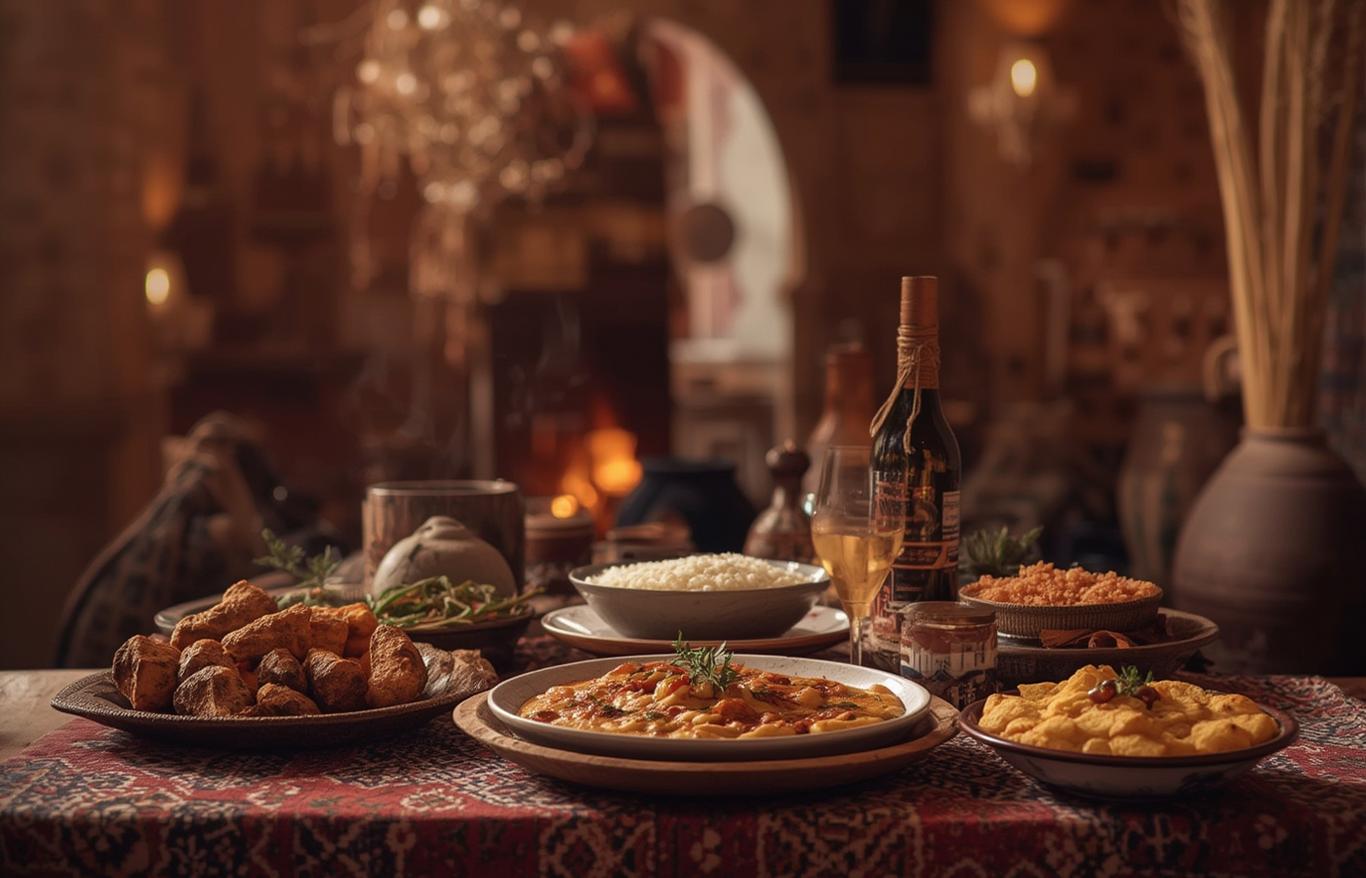
Journeying through Morocco’s stunning high peaks, you’ll swiftly discover that the soul of the country isn’t just in its bustling souks or ancient medinas, but deeply rooted in the heart of its mountains. Here, the flavors of authentic Atlas Mountain cuisine tell tales of resilience, tradition, and a profound connection to the land. This isn’t just sustenance; it’s a living testament to the Berber people’s ingenuity, using what nature provides to create dishes that are both hearty and subtly complex. Exploring the culinary landscape of the Atlas Mountains offers a genuinely immersive cultural experience, one that will tantalize your taste buds and deepen your understanding of Moroccan heritage.
The Flavors Forged by the High Altitudes
Life in the Atlas Mountains, with its dramatic seasonal changes and rugged terrain, has long dictated a specific culinary philosophy. Atlas Mountain cuisine is characterized by its reliance on locally sourced, seasonal ingredients. Think sun-ripened vegetables from terraced fields, legumes, wild herbs, and lean meats from livestock raised grazing on mountain pastures. These ingredients, often simple on their own, are transformed through slow cooking methods into dishes that are incredibly rich in flavor. The altitude and climate have fostered a cuisine that is both nourishing and practical, designed to sustain hardworking communities. It’s a culinary tradition built on the principles of sustainability and respect for nature.
Staples of the Berber Table: From Tagine to Tanjia
While many Moroccan dishes are known worldwide, experiencing their authentic versions in the Atlas Mountains reveals nuances often lost in urban interpretations. The tagine, for instance, isn’t just a dish; it’s a way of life, slow-cooked over charcoal for hours until meats are fall-off-the-bone tender and vegetables melt in your mouth, infused with aromatic spices like turmeric, ginger, and saffron. In these mountain villages, you’ll find tagines with unique combinations – perhaps wild artichokes, quinces, or even preserved lemons, reflecting the local harvest. Another lesser-known but equally significant dish is the Tanjia. While more commonly associated with Marrakech, mountain communities often prepare their own versions in a clay pot, cooked slowly overnight in the embers of a communal oven (or furnatchi). It’s a wonderfully flavorsome, rich lamb or beef dish, usually seasoned with cumin, garlic, and preserved lemons.
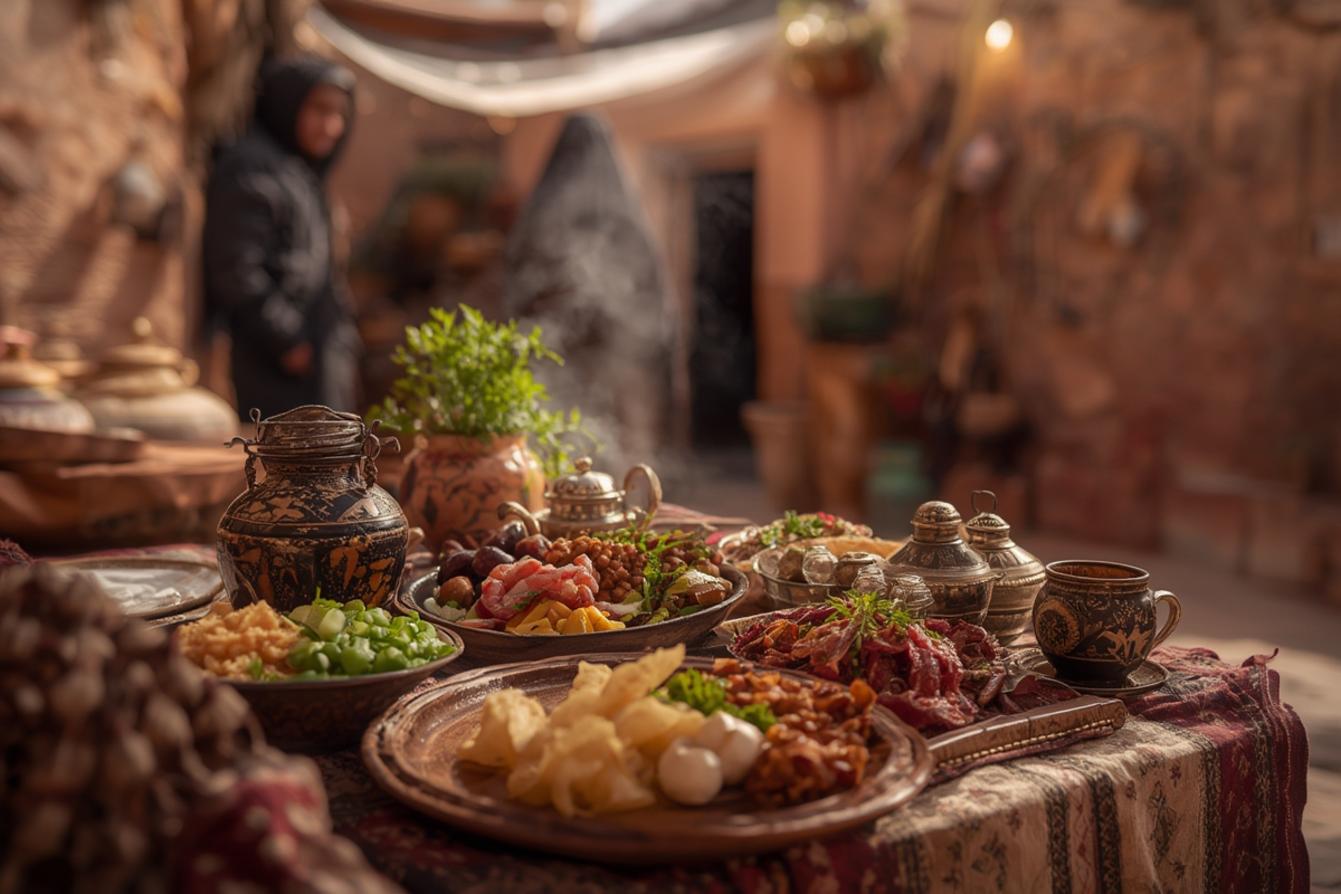
Beyond these iconic stews, don’t miss the humble yet essential Amlou, a delicious dip made from roasted almonds, argan oil, and honey, often served with traditional bread for breakfast. Local soups, especially Harira, are hearty and warming, perfect for cooler evenings, packed with lentils, chickpeas, and fresh herbs. Couscous, of course, reigns supreme, typically served on Fridays after midday prayers. Here, it’s often prepared with local vegetables and a deeper, more rustic broth than what you might find in the cities. The Atlas Mountain cuisine truly embodies comfort food.
Culinary Rituals and Communal Dining in the High Atlas
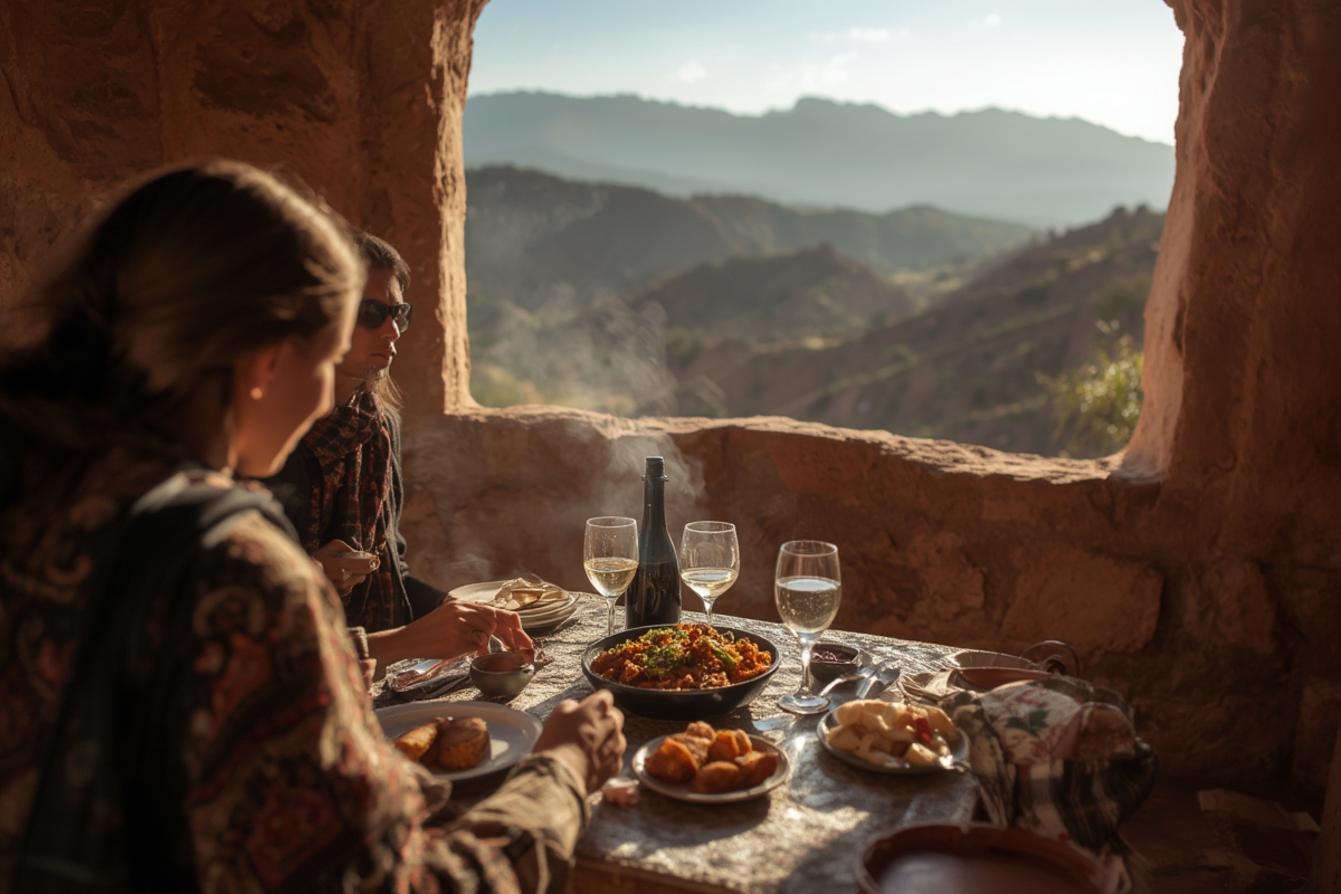
Food in the Atlas Mountains is rarely a solitary affair; it’s deeply interwoven with family, hospitality, and community. Mealtimes are sacred, a chance to gather, share, and connect. When you’re invited into a Berber home, you’re not just being offered food; you’re being offered warmth, welcome, and a glimpse into their way of life. Expect to sit on cushions around a low, round table, sharing dishes from a communal platter. Eating with your right hand, using pieces of bread to scoop up the delicious stews and sauces, is not just a custom but enhances the tactile experience of the meal. There’s a certain etiquette to this communal dining – typically, you eat from the portion of the dish directly in front of you. This shared experience creates bonds, turning a simple meal into a memorable cultural exchange.
The preparation itself is often a communal ritual, especially for larger feasts or special occasions. Women often gather to prepare couscous, kneading dough, or grinding spices, sharing stories and laughter as they work. This collective effort, passed down through generations, ensures that the Berber culinary traditions remain vibrant and intact. Learning about these traditions firsthand provides an unparalleled insight into Moroccan culture, much like experiencing the vibrant energy of Marrakech. For more insights into planning your trip, consider checking out this guide on Atlas Mountain cuisine.
The Role of Wild Herbs and Foraged Ingredients
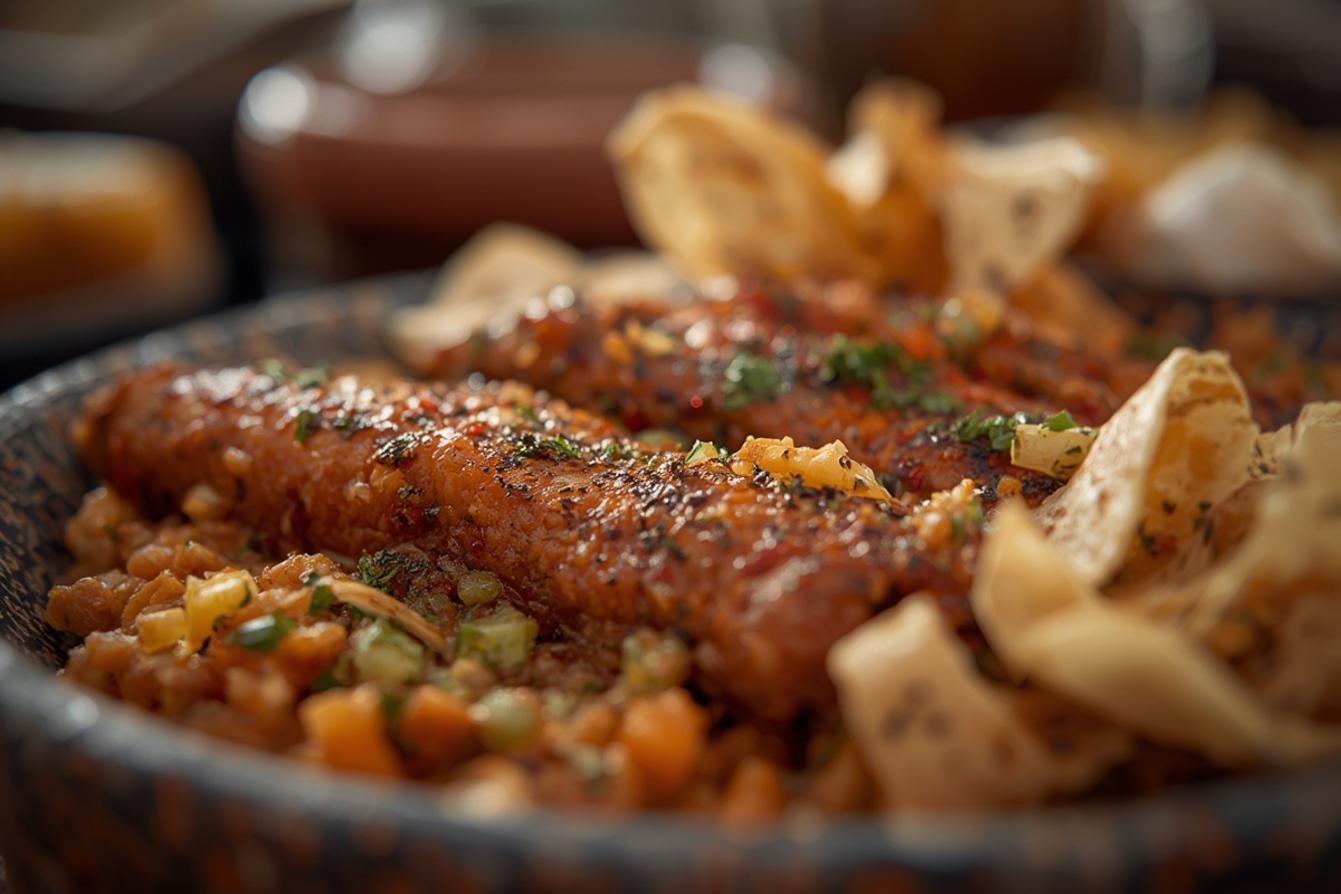
A distinctive feature of Atlas Mountain cuisine is its intelligent use of wild herbs and foraged ingredients. The mountains are a natural larder, offering a diverse array of plants that not only season dishes but also provide medicinal benefits. Wild thyme, rosemary, mint, and various indigenous greens are commonly incorporated into tagines, soups, and even hot drinks. Cooks here possess an intimate knowledge of their environment, knowing exactly when and where to gather these treasures. This practice underscores the deep connection between the Berber people and their natural surroundings, enhancing both the flavor profile and nutritional value of their meals. It’s a testament to ancient wisdom and sustainable living, principles that are as relevant today as they were centuries ago.
Experiencing Atlas Mountain Cuisine as a Traveler
As a visitor, diving into the local food scene in the Atlas Mountains offers an authentic and rewarding experience. Forget fancy restaurants; the best way to taste genuine Atlas Mountain cuisine is in guesthouses, small village eateries, or even by participating in a cooking class. Many local families who run guesthouses pride themselves on serving traditional, home-cooked food, offering a true taste of local life. Don’t be afraid to ask about the ingredients or preparation methods; hosts are often delighted to share their culinary secrets.
For those eager to get hands-on, several operators in the region offer immersive cooking experiences. These classes, often held in a traditional Berber home, provide a unique opportunity to learn how to prepare authentic dishes from scratch, using local techniques and fresh, seasonal produce. It’s not just about cooking; it’s about connecting with the culture, learning about specific spices, and understanding the rhythm of mountain life. If you’re interested in booking such an experience, you can explore options for Berber culinary traditions. These experiences leave you not only with a satisfied stomach but also with new skills and unforgettable memories.
Conclusion
The Atlas Mountain cuisine is more than just food; it’s a living narrative of the Berber people, told through its flavors, traditions, and the warmth of its hospitality. From the hardy tagines simmering over open fires to the communal sharing of couscous, each dish reflects a deep respect for the land and a rich cultural heritage. Exploring this culinary landscape is an essential part of any Moroccan adventure, offering an authentic taste of life high in the mountains. So, come hungry, and prepare to be enchanted by the simple yet profound delights of this unique cuisine.
FAQs
What are the most common ingredients in Atlas Mountain cuisine?
The cuisine heavily relies on seasonal, local ingredients such as fresh vegetables (potatoes, carrots, zucchini, tomatoes), legumes (chickpeas, lentils), wild herbs (thyme, rosemary), and meats like lamb, goat, or chicken. A staple is also bread, often baked in traditional clay ovens.
Is Atlas Mountain cuisine spicy?
Generally, Atlas Mountain cuisine is flavorful and aromatic rather than overtly spicy. Common spices include turmeric, ginger, saffron, cumin, black pepper, and paprika. While some dishes may have a subtle kick, they are not typically characterized by intense heat.
How is Atlas Mountain cuisine different from city Moroccan food?
While there are overlaps, mountain cuisine tends to be more rustic, hearty, and relies even more heavily on locally foraged and homegrown ingredients. Dishes might be cooked slower, often over wood fires, yielding deeper, more complex flavors. You’ll find regional specialities unique to the mountains that are less common in urban areas.
Can I find vegetarian or vegan options in Atlas Mountain cuisine?
Absolutely! Given the prominence of fresh vegetables, legumes, and grains, many traditional dishes are naturally vegetarian or can be easily adapted. Vegetable tagines, lentil soups, and couscous with vegetables are widely available and are delicious, nourishing options for vegetarian and vegan travelers.



 Covers cities, coast, mountains, desert & food