
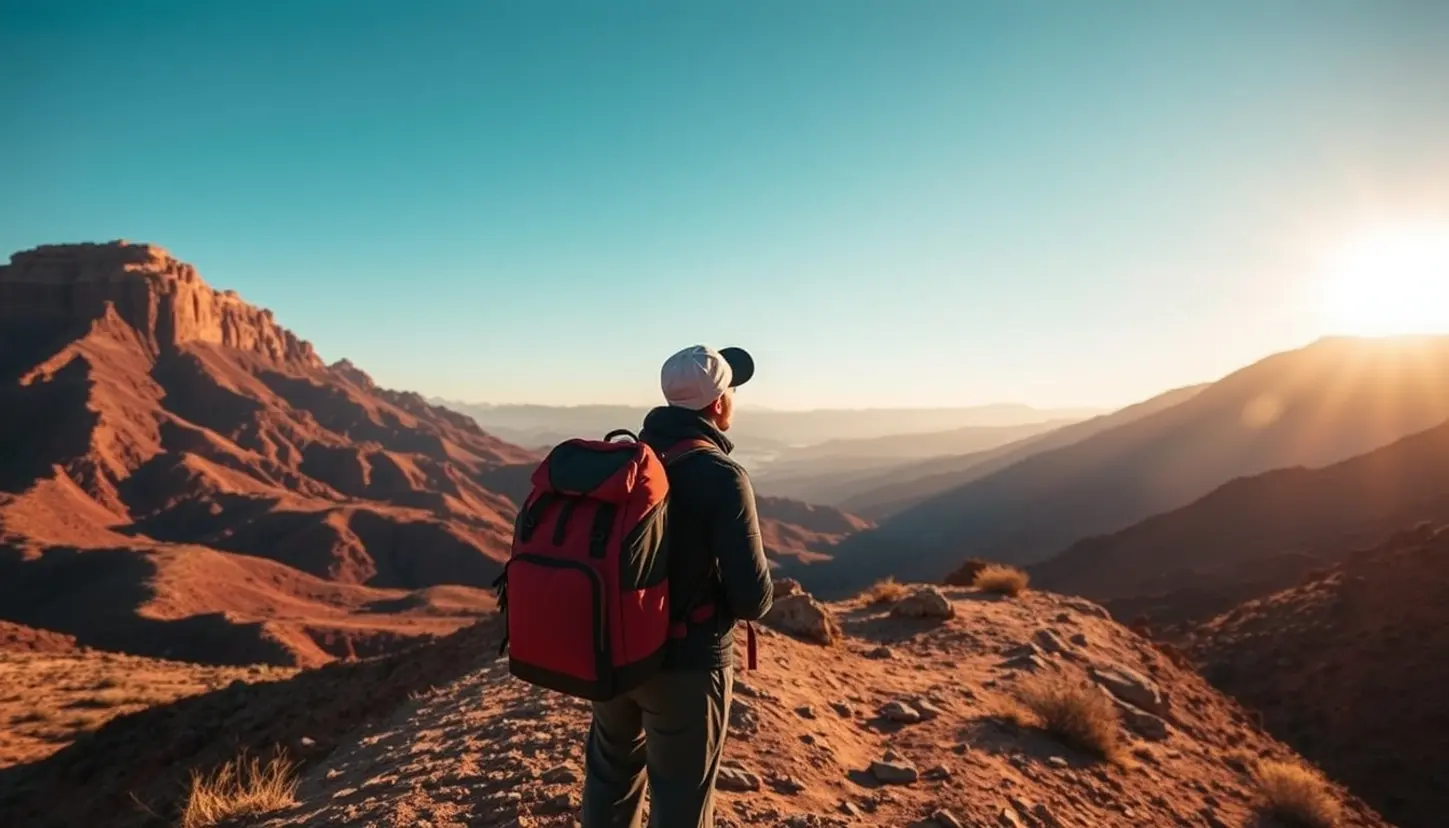
Morocco’s majestic Atlas Mountains are more than just a stunning backdrop; they are an adventurer’s playground, offering some of the most captivating Atlas trekking routes in the world. Imagine soaring peaks, verdant valleys, traditional Berber villages clinging to hillsides, and the crisp, clean air that invigorates your senses with every step. Whether you’re a seasoned trekker seeking an exhilarating challenge or someone looking for a milder escape into nature, the Atlas Mountains provide a diverse range of trails promising an unforgettable adventure. This guide will walk you through the very best routes, helping you plan a journey that perfectly matches your spirit of exploration and desire for authentic Moroccan experiences.
Discovering the High Atlas: Toubkal and Beyond
When most people think of Atlas trekking, their minds invariably turn to Jebel Toubkal, North Africa’s highest peak at 4,167 meters. Conquering Toubkal is a quintessential Moroccan adventure, a multi-day trek that offers breathtaking views and a true sense of accomplishment. The typical route involves an ascent from Imlil, passing through tiny hamlets and a revered marabout (saint’s tomb), before reaching the Neltner Refuge. From there, the final push to the summit is rewarded with panoramic vistas stretching across the mountain ranges, often all the way to the Sahara Desert on a clear day. Beyond Toubkal itself, the surrounding High Atlas region boasts an extensive network of trails connecting numerous valleys, each with its own unique charm. These hidden gems allow for bespoke trekking experiences, perhaps exploring the stunning green terraces of the Ourika Valley or the remote serenity of the Azzaden Valley, providing excellent alternatives or additions to a Toubkal ascent.
Iconic Valley-to-Valley Journeys: The Imlil and Azzaden Circuits
For those seeking a multi-day adventure that combines challenging climbs with cultural immersion without necessarily aiming for the highest summit, the circuits linking the Imlil and Azzaden Valleys are superb choices among the Atlas trekking routes. Starting from the bustling trekking hub of Imlil, these routes often traverse high passes, offering spectacular views of the dramatic mountain landscape. You’ll descend into the tranquil Azzaden Valley, a quieter and perhaps even more picturesque counterpart to Imlil, with its traditional adobe villages, walnut groves, and terraced fields. Trekkers can stay in charming guesthouses or even homestays, experiencing genuine Berber hospitality. The beauty of these circuits lies in their flexibility; they can be tailored from two to five days, incorporating different passes like Tizi n’Mzik (2,489m) or Tizi n’Tacht (2,000m), each revealing new perspectives of the High Atlas.
Shorter Treks with Big Rewards: Day Hikes from Imlil and Ourika
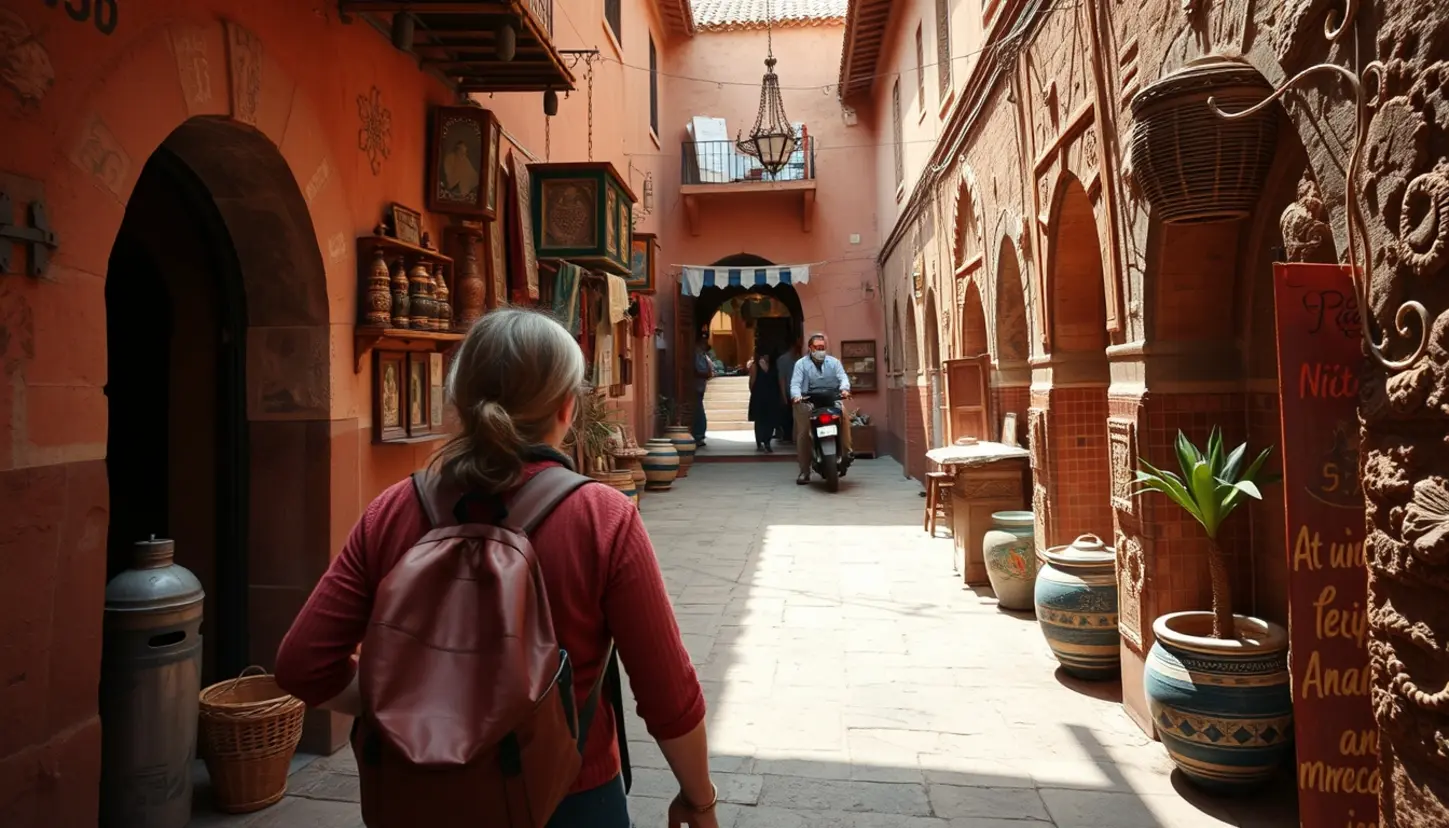
Not every memorable adventure requires an overnight stay in a mountain refuge. For travelers seeking a taste of the Atlas Mountains without committing to a multi-day trek, there are numerous incredible day hikes, many easily accessible from Marrakech. Imlil, often called the “Chamonix of Morocco,” serves as an excellent base for several rewarding day treks. A popular option is the hike to the Tizi n’Tamattert mountain pass, offering stunning views back towards Imlil and onward into the Imnane Valley. Another favorite is the path to the Kasbah du Toubkal, a luxury lodge perched high above Imlil, which provides magnificent vistas even if you’re not staying there. The Ourika Valley, famous for its lush greenery and a popular day trip destination from Marrakech, also offers delightful shorter walks along the river, leading to waterfalls and charming villages, perfect for families or those looking for a more leisurely pace. These shorter Atlas trekking routes provide a fantastic introduction to the region’s natural beauty and rich culture.
Planning Your High Atlas Expedition: Essential Considerations
Embarking on any of the Atlas Mountain trails requires careful planning to ensure a safe and enjoyable experience. First and foremost, decide on the duration and difficulty level that suits your fitness and experience. Treks can range from gentle day walks to strenuous multi-day expeditions. It’s highly recommended to hire a local, certified mountain guide, especially for multi-day treks or if you’re venturing into less-trodden areas. Guides not only navigate challenging terrain but also provide invaluable insights into Berber culture, local flora and fauna, and ensure your safety. Don’t forget a muleteer and mules for longer treks to carry your gear, a traditional and sustainable way to alleviate your pack weight. Accommodation varies from basic refuges (mountain huts) to comfortable guesthouses in villages. Consider the best time to visit; spring (April-May) and autumn (September-October) offer ideal weather conditions with less extreme temperatures. Here’s an important stop to consider when preparing your Moroccan adventure: Atlas trekking routes often begin or end in the vibrant city of Marrakech, making it an ideal hub for exploring the mountains.
Immersing in Berber Culture Along the Trails
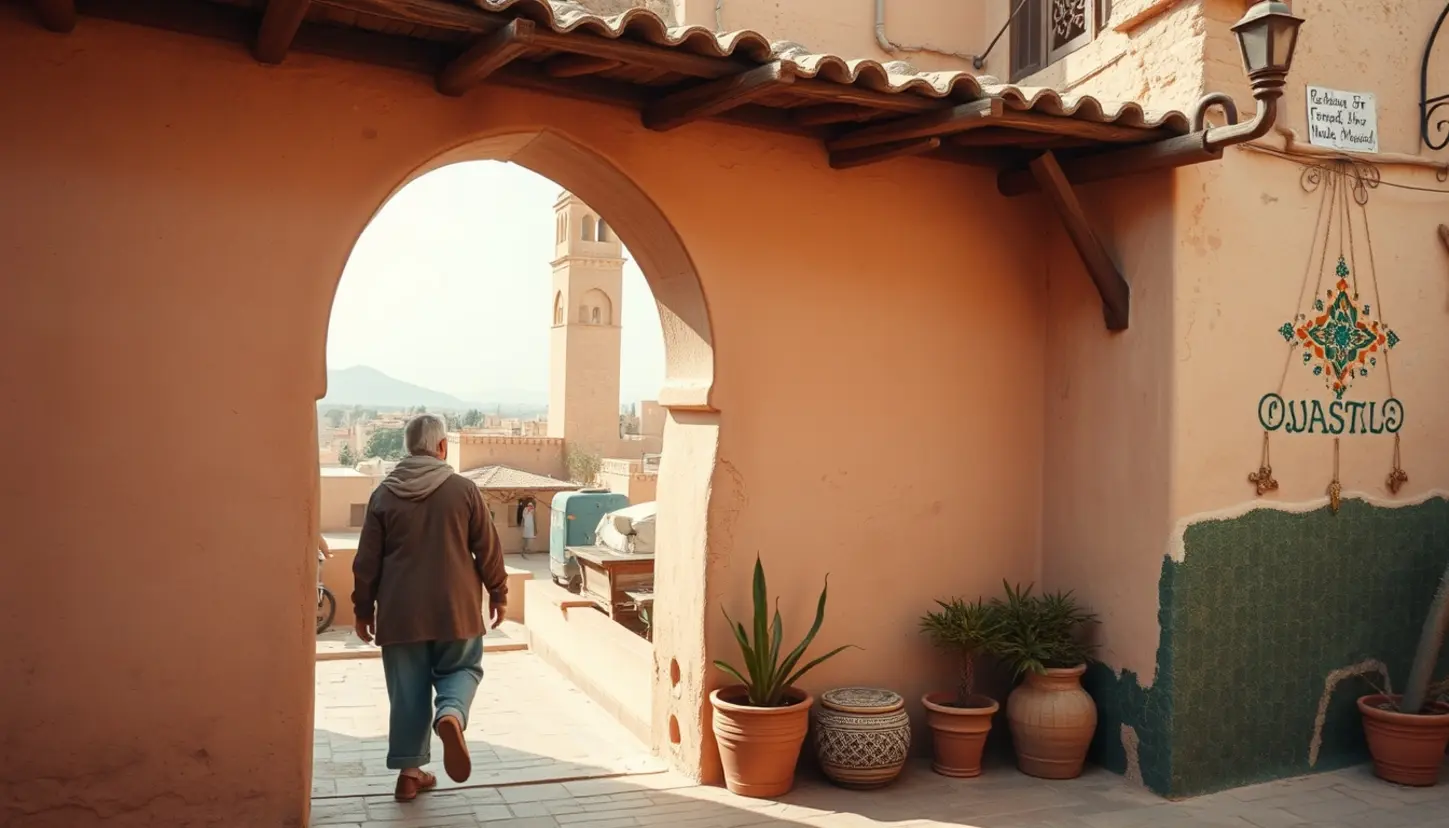
Beyond the breathtaking scenery, one of the most enriching aspects of embarking on Atlas trekking routes is the opportunity to interact with the indigenous Berber people. These resilient and hospitable communities have lived in the mountains for centuries, maintaining a traditional way of life that is deeply connected to their environment. As you trek through remote villages, you’ll witness daily life unfolding – women grinding grain, children playing, and men tending to their fields. Spending a night in a Berber guesthouse or a homestay, known as a gîte d’étape, offers an unparalleled cultural immersion. You’ll be welcomed with warm mint tea, share delicious tagine meals cooked with local ingredients, and perhaps even learn a few basic words of Tachelhit, the local Berber dialect. These interactions provide a profound insight into a culture that values hospitality, community, and a deep respect for nature, transforming your trek from a simple hike into a truly unforgettable journey.
Packing Smart for Your Atlas Mountain Adventure
Preparation is key for comfortable and safe Atlas Mountain trails. The weather can be highly unpredictable, especially at higher altitudes, so layering is essential. Think good quality hiking boots that are worn-in, waterproof and breathable outerwear (jacket and trousers), and thermal layers (base, mid, and fleece). Even in warmer months, evenings can be chilly, and early mornings on summit pushes are cold. Don’t forget a hat, gloves, and sunglasses, along with high-factor sunscreen – the mountain sun is intense. A good daypack, reusable water bottles, a headlamp, and a basic first-aid kit are also crucial. For multi-day treks, a sleeping bag (especially for refuges), trekking poles, and personal toiletries are necessary. Remember to pack light but smartly, as everything you bring will either be on your back or on the back of a mule. Your guide will provide specific advice on gear suited for your chosen route and the time of year.
Beyond the High Atlas: Exploring the Mgoun Massif and Jebel Saghro
While the High Atlas tends to draw the most attention, Morocco’s other mountain ranges offer equally compelling, albeit different, Atlas trekking routes. The Mgoun Massif, east of Toubkal, presents a more rugged and wild landscape, perfect for experienced trekkers seeking solitude and challenging terrain. The “Mgoun Traverse” is a classic route, involving river crossings (especially in spring) and ascents over passes exceeding 3,000 meters, culminating in the ascent of Jebel Mgoun (4,071m), Morocco’s second-highest peak. This area is characterized by dramatic gorges, remote valleys, and a truly authentic feel.
Further south, on the fringes of the Sahara Desert, lies the Jebel Saghro massif. This range offers a stark contrast with its volcanic peaks, basalt plateaus, and surprisingly lush oases. Treks here are typically undertaken in the winter months (November to March) when the High Atlas is blanketed in snow and temperatures are milder. The Saghro is known for its dramatic rock formations, ancient rock carvings, and the opportunity to encounter semi-nomadic Ait Atta tribes with their flocks of sheep and goats. These lesser-known Atlas Mountain trails offer a unique perspective on Morocco’s diverse landscapes and cultures. For more detailed information on various hiking options in the region, refer to resources like Atlas Mountain trails, which provide comprehensive guides for different skill levels.
Sustainable Trekking and Responsible Travel in the Atlas
As more visitors discover the allure of the Atlas trekking routes, it becomes increasingly important to practice sustainable and responsible travel. This means respecting the local environment and culture, minimizing your impact, and supporting local communities. Always carry out everything you carry in, including all litter. Stick to marked trails to avoid erosion and disturbing local agriculture. When interacting with villagers, be respectful of their customs and traditions; always ask for permission before taking photos of people. Support local businesses by hiring local guides and muleteers, staying in guesthouses, and purchasing local crafts. Bargaining is part of the culture, but do so respectfully and fairly. By choosing responsible operators and adhering to ethical travel practices, you contribute to the longevity of these beautiful mountains and the well-being of the communities that call them home. Your unforgettable adventure also helps preserve this unique heritage for future generations.
Conclusion
The Atlas Mountains truly are a treasure trove for adventurers, offering a myriad of unforgettable Atlas trekking routes that cater to every level of experience and desire. From the towering heights of Toubkal to the serene valleys and the rugged drama of Mgoun and Saghro, each step unveils new landscapes, new cultural insights, and new personal achievements. These mountains are not just about the challenging climbs or the panoramic views; they are about the warmth of Berber hospitality, the simplicity of village life, and the profound connection you forge with nature. So pack your bags, lace up your boots, and prepare for an adventure that promises to be as enriching as it is exhilarating.
FAQs
What is the best time of year for Atlas trekking routes?
The ideal times for trekking in the High Atlas Mountains are spring (April to May) and autumn (September to October). During these months, the weather is generally mild and pleasant, with clear skies and comfortable temperatures, making for optimal hiking conditions. Winter treks (November to March) are possible, especially in lower valleys or the Jebel Saghro, but higher altitudes will be snowy and require specialized gear and experience. Summer (June to August) can be very hot, though higher elevations offer some relief from the heat.
Do I need a guide for Atlas trekking?
While it’s possible to undertake some very short, well-marked trails independently, it is highly recommended to hire a local, certified mountain guide for most Atlas trekking routes, especially for multi-day treks or venturing into less frequented areas. Guides offer crucial navigation skills, ensure your safety, and provide invaluable cultural insights, arranging logistics like accommodation and muleteers. Their knowledge of the terrain, weather, and local customs greatly enhances the trekking experience.
What kind of accommodation can I expect on Atlas Mountain trails?
Accommodation options vary depending on the specific route and your preferences. In larger villages like Imlil, you’ll find comfortable guesthouses (gîtes d’étape) and even some more luxurious lodges. For multi-day high-altitude treks, stays will typically be in mountain refuges (huts), which offer basic dormitory-style sleeping, communal eating areas, and sometimes cold showers. In more remote valleys, you might experience traditional Berber homestays, offering a unique opportunity for cultural immersion.
Is high-altitude sickness a concern in the Atlas Mountains?
Yes, high-altitude sickness can be a concern, particularly when attempting to summit Jebel Toubkal or other peaks above 3,000 meters. Symptoms can include headaches, nausea, dizziness, and fatigue. It’s crucial to ascend gradually, stay hydrated, and recognize the signs. Allow for acclimatization days if possible, and descend immediately if symptoms worsen. A local guide will be experienced in identifying and managing altitude sickness among trekkers.





 Covers cities, coast, mountains, desert & food