
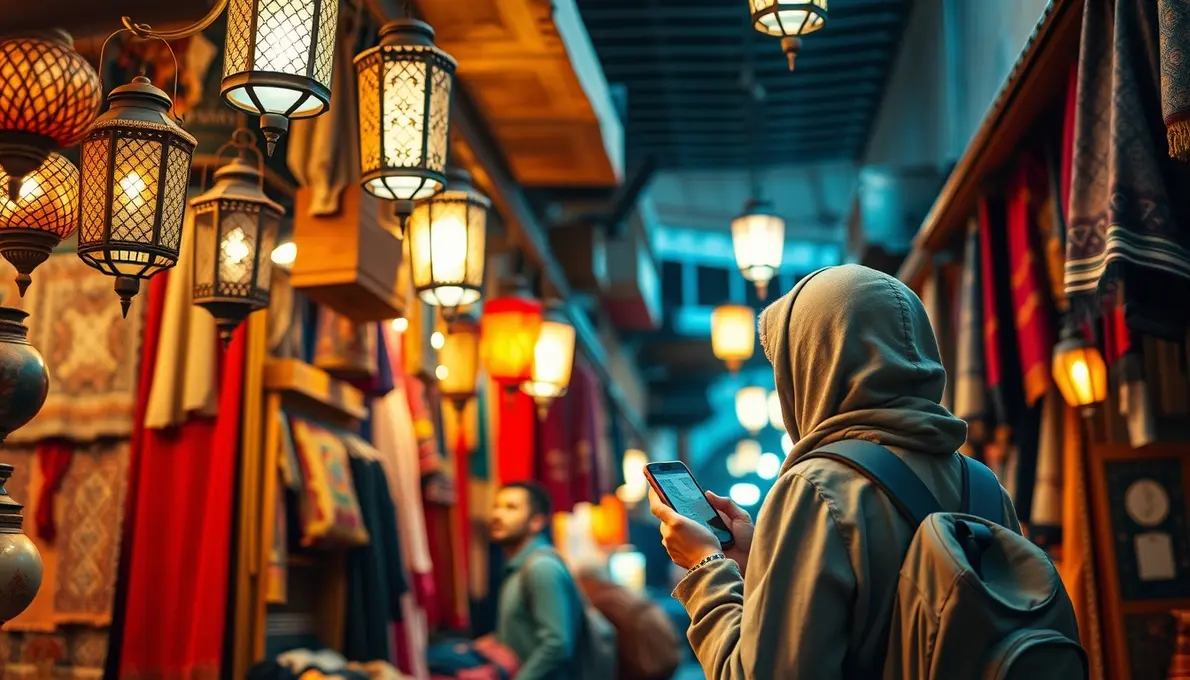
Embarking on an adventure into Morocco’s majestic Atlas Mountains promises breathtaking scenery and unforgettable experiences. However, to truly enjoy this rugged region, a carefully considered Atlas Mountains packing list is absolutely crucial. Unlike a city break in Marrakech or a coastal escape, trekking through varying altitudes and temperatures demands specific gear and clothing. This guide will help you prepare thoroughly, ensuring comfort, safety, and enjoyment as you explore the stunning trails and remote villages of the Atlas range.
Understanding the Atlas Mountains Environment for Packing
Before you even think about throwing items into your luggage, it’s vital to grasp the diverse nature of the Atlas Mountains. The climate can be unpredictable, with significant temperature fluctuations between day and night, even in warmer months. High altitudes mean cooler air, and the weather can shift rapidly from bright sunshine to chilly winds, or even rain and snow, depending on the season and your specific elevation. Trails can range from well-trodden paths to rocky, uneven terrain, and you might encounter anything from lush valleys to barren, exposed ridges.
This unique environment directly dictates your Atlas Mountains packing strategy. Layers are not just a suggestion; they are a necessity. You need protection from the sun, wind, and potential precipitation, all while ensuring your comfort during periods of sustained physical activity. Understanding these conditions will be your first step in building an effective and efficient packing list that truly serves your adventure.
Core Apparel: Dressing for Success in the High Atlas
Your clothing choices will make or break your comfort on an Atlas Mountains trek. The key principle here is layering, allowing you to adapt to changing conditions.
Base Layers for Active Comfort
Start with good quality base layers. These are thin, moisture-wicking garments worn directly against your skin. Their primary function is to draw sweat away from your body, keeping you dry and preventing chafing or chills. Merino wool or synthetic fabrics are excellent choices. Avoid cotton, as it absorbs moisture and takes a long time to dry, which can lead to discomfort and cold when temperatures drop. Pack at least two to three sets, depending on the length of your trip.
Middle Layers for Insulation
Over your base layer, you’ll need insulation. A fleece jacket or a lightweight down jacket is perfect. Fleece is versatile, breathable, and provides good warmth for its weight. A packable down jacket offers superior warmth-to-weight ratio, which is ideal if you’re aiming for higher altitudes or colder seasons. Even in summer, evenings at altitude can be surprisingly cool, so don’t skimp on this layer.
Outer Layers for Weather Protection
This is your shield against the elements. A waterproof and windproof outer shell jacket is non-negotiable. Look for one that is breathable to prevent overheating during strenuous activity. A pair of waterproof overtrousers might also be a lifesaver, especially if your itinerary includes potential rain or snow. These items don’t need to be heavily insulated, as their main job is protection from wind and water, relying on your middle layers for warmth.
Trekking Trousers and Shorts
For your lower half, sturdy trekking trousers made of quick-drying, durable material are ideal. Look for features like reinforced knees, multiple pockets, and perhaps even zip-off legs to convert into shorts for warmer sections of your hike. Some prefer dedicated trekking shorts for hotter periods or lower elevations, but ensure they are comfortable and allow for a full range of motion. Denim and heavy cotton are best avoided for trekking.
Headwear, Gloves, and Socks
Don’t underestimate the importance of accessories. A warm hat (beanie) is essential for colder mornings and evenings, as significant heat can be lost through your head. A wide-brimmed sun hat or a cap will protect your face and neck from the intense Moroccan sun. Lightweight gloves are useful for chilly mornings or higher altitudes. Crucially, invest in high-quality wool or synthetic trekking socks. Blisters are often caused by poor sock choices. Pack several pairs and consider liner socks to further reduce friction.
Footwear: Your Most Important Atlas Mountains Packing Decision
Your feet will thank you for making smart choices here. The varied terrain of the Atlas Mountains demands robust and supportive footwear.
Hiking Boots: The Foundation of Your Footwear
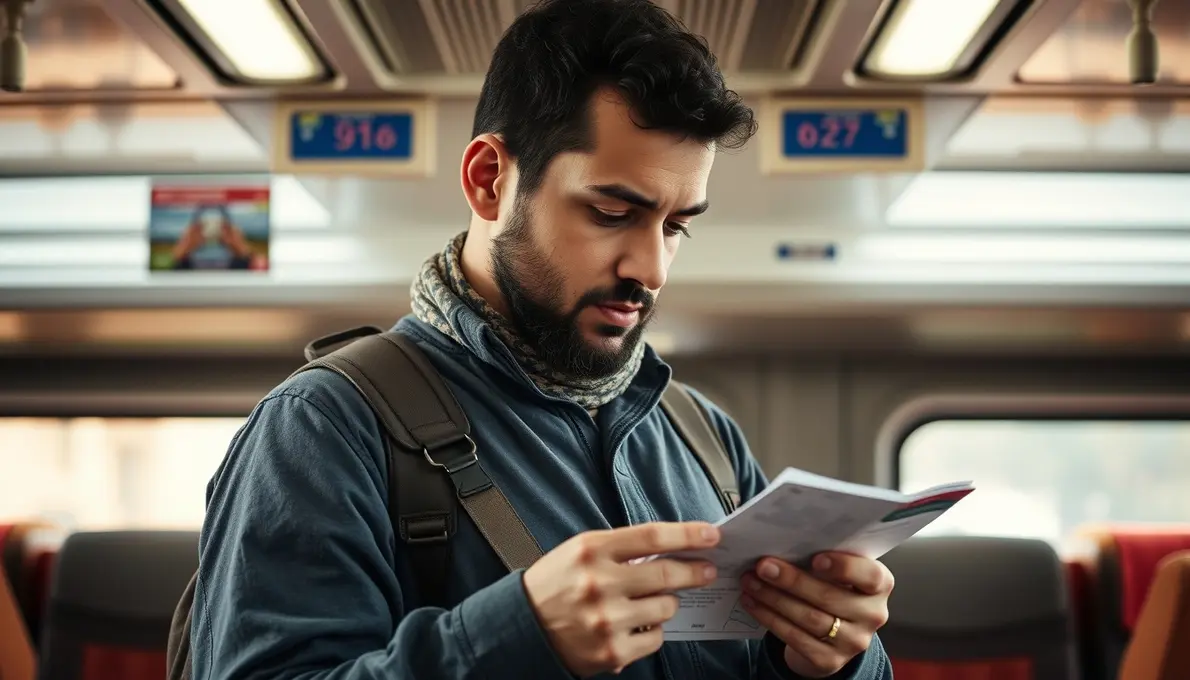
Good quality, broken-in hiking boots are paramount. They should provide excellent ankle support, a sturdy sole with good grip, and ideally be waterproof or at least water-resistant. If you’re buying new boots, wear them extensively before your trip to avoid painful blisters. Nothing ruins a trek faster than sore feet. Consider the type of terrain you’ll be covering – lighter boots for easier paths, or more rigid, high-cut boots for more challenging, rocky routes.
Camp Shoes or Sandals
After a long day of hiking, your feet will crave a break from your boots. A pair of lightweight camp shoes, such as sneakers, comfortable sandals, or even flip-flops, are invaluable. They offer ventilation and allow your feet to recover. This is a small luxury that makes a big difference in overall comfort.
Essential Gear Beyond Clothing
While clothing is critical, several other items must be on your Atlas Mountains packing list for safety, navigation, and general well-being.
Backpacks: Choosing the Right Companion
Your primary backpack should be comfortable and sized appropriately for the duration of your trek. For multi-day hikes, a 40-60 liter pack is common, allowing space for clothing, food, water, and personal gear. Ensure it has a good hip belt to distribute weight and adjustable straps for a custom fit. A smaller daypack (15-25 liters) is useful for day trips from a base camp or for carrying immediate essentials during a longer trek when your main pack is carried by mules or porters. Don’t forget a rain cover for your backpack!
Navigation Tools and Communication
Even if you’re with a guide, having personal navigation tools is smart. A physical map of the area (waterproofed if possible) and a compass are basic but reliable. A GPS device or a smartphone with downloaded offline maps (like Maps.me or Gaia GPS) can be incredibly useful. Make sure your phone is fully charged, and consider a portable power bank. A local SIM card can provide patchy but sometimes vital connectivity.
Hydration System
Staying hydrated is crucial at altitude and during physical exertion. Carry at least 2-3 liters of water capacity, either in water bottles or a hydration reservoir. Consider water purification tablets or a filter bottle even if your guide provides water, as a backup.
Lighting: Headlamp or Flashlight
Even if you don’t plan to hike in the dark, a headlamp is essential for early morning starts, navigating camps at night, or in case of unexpected delays. Pack spare batteries.
First-Aid Kit
A basic but comprehensive personal first-aid kit is non-negotiable. Include pain relievers, antiseptic wipes, various band-aids, blister treatment (moleskin is a lifesaver), personal medications, insect repellent, and any specific items you might need. Your guide will have a larger kit, but personal supplies are always prudent.
Sun, Hygiene, and Personal Items
The Moroccan sun can be intense at altitude, even on cloudy days. Proper protection is vital.
Sun Protection
High-factor sunscreen (SPF 30+), broad-spectrum lip balm with SPF, and sunglasses with UV protection are essential. Even a light scarf or buff can provide extra sun protection for your neck and face.
Personal Hygiene and Toiletries
Travel-sized toiletries are ideal to save weight. Think biodegradable soap, a toothbrush, toothpaste, and minimal makeup if you use it. Wet wipes and hand sanitizer are also very useful, especially in areas with limited water access. For women, consider menstrual cups or eco-friendly alternatives.
Quick-Drying Towel
A lightweight, quick-drying travel towel is much more practical than a standard cotton towel.
Essential Documents and Money
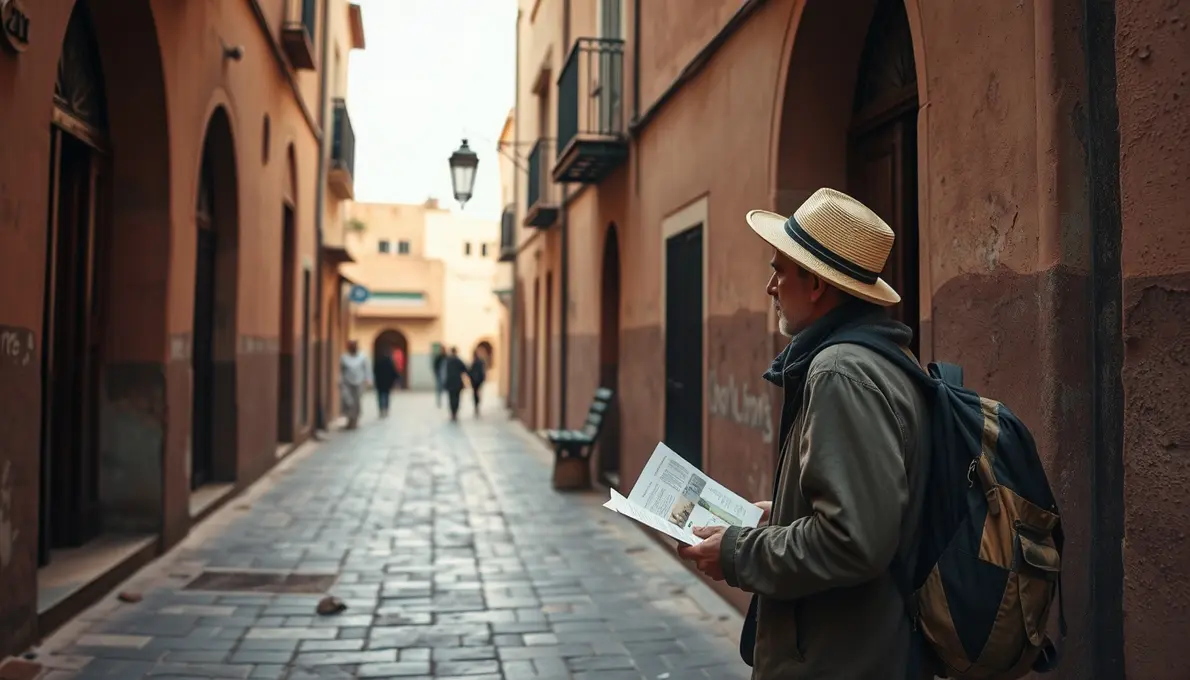
Always carry your passport, any necessary visas, travel insurance details, and copies of important documents (store digital copies on your phone and email them to yourself as well). While cards are accepted in larger towns like Imlil, you’ll need Moroccan Dirhams for purchases in smaller villages, tips for guides and porters, and emergency use. Carry a mix of small and larger denominations.
Seasonal Considerations for Your Atlas Mountains Packing
The “best” time to visit the Atlas Mountains partly depends on what you want to do and significantly influences your packing list.
Spring and Autumn (March-May, September-November)
These are arguably the most popular times for trekking. The weather is generally pleasant, with warm days and cool, crisp nights. However, you should still be prepared for occasional rain showers or even late-season snow at higher elevations in spring. Your general Atlas hiking essentials list outlined above will serve you well, but perhaps a slightly lighter down jacket for autumn, and definitely waterproofs year-round.
Summer (June-August)
While lower altitudes can be very hot, higher elevations remain relatively mild, though the sun is incredibly strong. Prioritize sun protection: lighter layers, good ventilation in clothing, a wide-brimmed hat, and plenty of water. Evenings will still be cool, so don’t ditch that fleece.
Winter (December-February)
Winter trekking in the Atlas is a serious undertaking and requires specialized gear. Expect snow and icy conditions, especially above 2,000 meters. You’ll need warmer, heavier layers, possibly a heavier down jacket, waterproof and insulated boots (crampon-compatible if attempting technical ascents), ice axe, crampons, and potentially snowshoes. Guides will be essential, and experience in winter mountaineering is highly recommended. For less experienced trekkers, lower valley walks are still beautiful in winter without requiring extreme equipment.
Remember to consider these seasonal variations when finalizing your Atlas Mountains packing list. For more general travel planning tips, including how to plan your arrival in the region, refer to our guide on Atlas Mountains packing. It is always wise to double-check the local weather forecast closer to your departure date via reliable sources like the Atlas hiking essentials for the most up-to-date conditions.
Conclusion
Preparing an intelligent and comprehensive Atlas Mountains packing list is the cornerstone of a successful and enjoyable Moroccan mountain adventure. By prioritizing layers, robust footwear, essential gear, and adequate sun protection, you’ll be well-equipped to face the diverse conditions and stunning challenges of this magnificent region. Remember, every item should serve a purpose, contributing to your comfort, safety, and ability to fully immerse yourself in the experience.
FAQs
What kind of backpack should I bring for a multi-day hike in the Atlas Mountains?
For multi-day treks, a backpack with a capacity of 40-60 liters is generally recommended. This size allows enough space for your clothing, food, water, and personal gear. Look for a pack with a comfortable hip belt to distribute weight, adjustable straps for a good fit, and a rain cover to protect your belongings from sudden downpours.
Do I need special footwear for Atlas Mountains trekking?
Yes, good quality, broken-in hiking boots are essential. They should offer ankle support, a sturdy sole with excellent grip for varied terrain, and ideally be waterproof or water-resistant. Break in new boots before your trip to prevent blisters. Depending on the difficulty of your trek, you might opt for lighter boots for easier paths or more rigid ones for challenging, rocky routes.
Is it safe to drink tap water in the Atlas Mountains?
It is generally not recommended to drink tap water directly from taps in Morocco, and this applies to the Atlas Mountains as well. Always carry purified bottled water, or use water purification tablets or a filter bottle for water from natural sources. Your guide will often provide purified water, but having your own purification method is a reliable backup.
What are the most important items for sun protection in the Atlas Mountains?
Due to the high altitude and intense sun, sun protection is crucial. Your essential sun protection items should include high-factor sunscreen (SPF 30+), lip balm with SPF, and good quality sunglasses with UV protection. A wide-brimmed hat or cap is also vital to shield your face and neck from the strong sun.





 Covers cities, coast, mountains, desert & food