
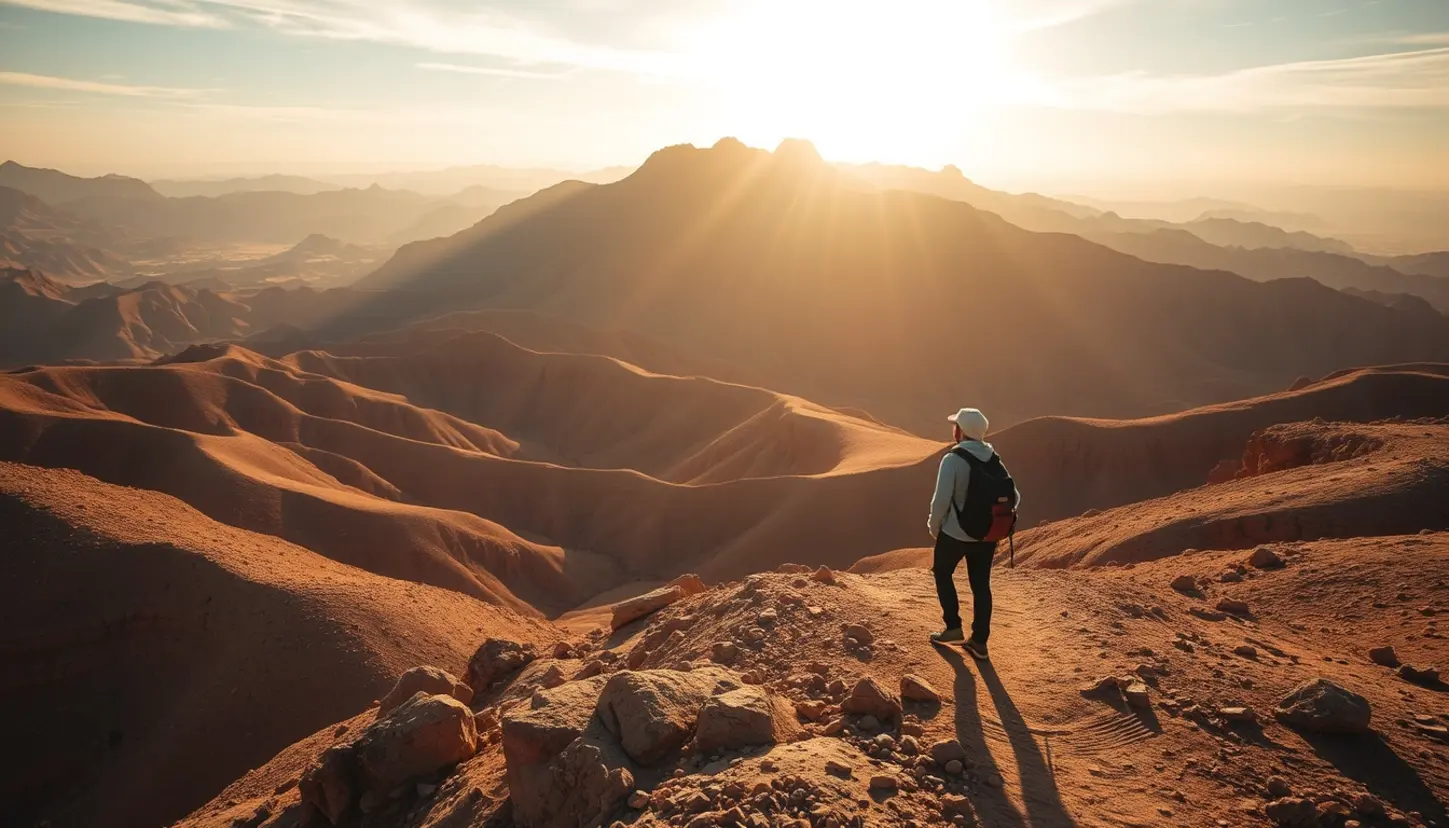
Embarking on an Atlas High Atlas trek is more than just a journey through breathtaking landscapes; it’s an immersion into the heart of Moroccan culture and a challenge for the adventurous spirit. The High Atlas Mountains stretch across Morocco, offering a dramatic canvas of towering peaks, lush valleys, and traditional Berber villages clinging to hillsides. For those seeking an unforgettable Moroccan adventure, these trek routes promise spectacular scenery, authentic encounters, and a genuine escape from the everyday. Whether you’re a seasoned mountaineer or a curious traveler looking for a taste of high-altitude beauty, the High Atlas has a route perfectly tailored to create lasting memories. This guide will help you navigate the options and plan your ideal trekking escapade.
Choosing Your High Atlas Adventure: Diverse Treks for Every Level
The High Atlas offers an incredible spectrum of trekking experiences, from gentle day hikes to multi-day expeditions scaling North Africa’s highest peaks. Understanding your fitness level, desired duration, and what kind of scenery truly inspires you will be key to selecting the perfect Atlas High Atlas trek. While Toubkal, the highest peak, often captures the spotlight, the surrounding valleys and lesser-known summits offer equally rewarding, and sometimes more serene, experiences.
For beginners or those with limited time, day treks from Imlil or Ourika Valley provide a fantastic introduction. These often involve gentle ascents through terraced fields, past apple orchards, and into charming Berber villages where you can enjoy traditional mint tea. Intermediate trekkers might consider 2-3 day hikes that venture deeper into the valleys, offering more significant elevation changes and overnight stays in rustic gîtes or tents. These routes often include visits to remote villages, interactions with local families, and stunning panoramic views. Expert trekkers, of course, will gravitate towards the demanding multi-day ascents of Toubkal or challenging traverses that link several valleys and passes. These require proper acclimatization, higher fitness levels, and usually a certified mountain guide.
Iconic Toubkal: Conquering North Africa’s Highest Peak
Mount Toubkal stands majestically at 4,167 meters (13,671 feet), making it the highest peak in North Africa and a magnetic draw for trekkers worldwide. An Atlas High Atlas trek to its summit is undeniably challenging but incredibly rewarding. The standard Toubkal trek usually takes 2-3 days, beginning from the village of Imlil, a bustling hub for mountain guides and muleteers. The first day typically involves a steady ascent to the Toubkal Refuge (or Les Mouflons refuge), where trekkers spend the night, often sharing stories with fellow adventurers from around the globe. This overnight stay is crucial for acclimatization before the final push to the summit.
The summit day is demanding, starting before dawn to reach the peak for sunrise, offering unparalleled views across the High Atlas, and on clear days, even glimpses of the Sahara. While not technically difficult, the altitude and rocky terrain require good physical condition and determination. Guided treks are highly recommended, if not mandatory, for Toubkal, ensuring safety, navigation, and support. Mules can transport your main luggage to the refuge, allowing you to carry a lighter daypack with essentials. Reaching the summit is an exhilarating achievement, a testament to endurance and a truly unforgettable part of any Moroccan adventure.
Beyond Toubkal: Exploring the Valleys and Berber Villages
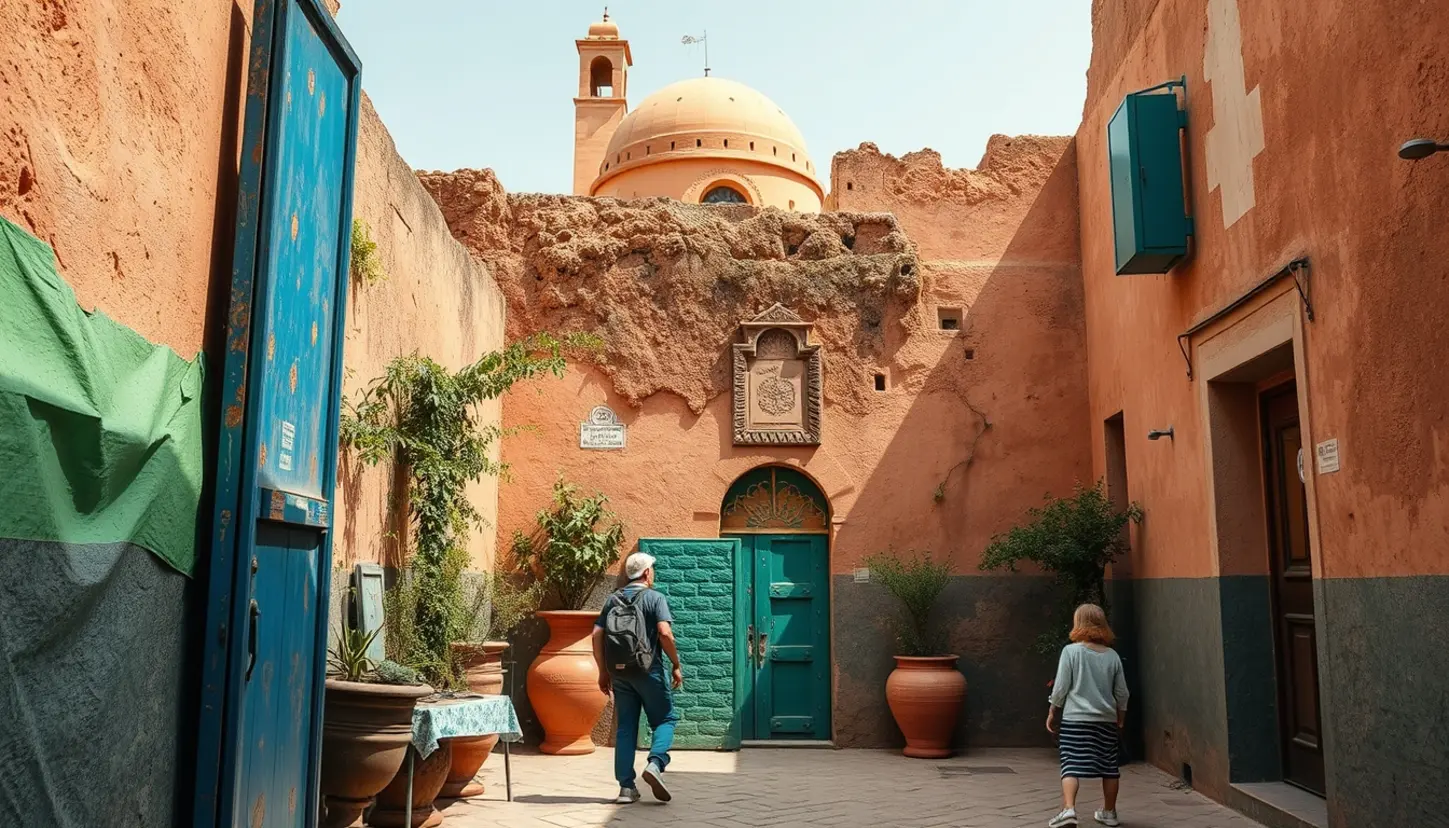
While Toubkal is a significant draw, the true magic of an Atlas High Atlas trek often lies in the serene valleys and the vibrant culture of the Berber villages nestled within them. These routes offer a deeper cultural immersion and stunningly varied landscapes, often with fewer crowds than the direct Toubkal ascent. The Imnan Valley, leading from Imlil, is a favorite, passing through charming villages like Aroumd, Tinghourine, and Ikiss. Here, you’ll witness traditional agricultural practices, meet friendly locals, and experience life that has changed little over centuries.
Another captivating area is the Azzaden Valley, accessible via Tizi Mzik pass. This valley is known for its dramatic red rock formations, juniper forests, and peaceful hamlets. Multi-day treks often link these valleys, providing a varied experience that combines challenging passes with gentle rambles through fertile land. Staying in local guesthouses (gîtes d’étape) or homestays is a highlight, offering delicious tagines, warm hospitality, and a glimpse into authentic Berber homelife. These routes are perfect for those who prioritize cultural connection and diverse scenery over conquering a specific peak. They provide an enriching perspective on the mountain communities and their enduring traditions.
The Cultural Heart of Your Journey: Berber Encounters and Hospitality
An Atlas High Atlas trek is as much about cultural immersion as it is about physical exertion. The indigenous Berber people have inhabited these mountains for millennia, cultivating a unique way of life perfectly adapted to the harsh yet beautiful environment. Trekking through the High Atlas offers unparalleled opportunities to interact with these resilient and welcoming communities. From sharing a glass of sweet mint tea in a family home to witnessing traditional bread making or agricultural practices, these encounters are often the most cherished memories of a trip.
Many trekking routes intentionally pass through a succession of villages, allowing trekkers to experience the nuances of different hamlets. Staying in local guesthouses (gîtes d’étape) or with families organized by your trekking agency directly supports these communities. You’ll savor home-cooked meals, often prepared with fresh, local ingredients, and experience the warmth of Berber hospitality. Language barriers are often overcome with smiles, gestures, and the help of your guide, fostering genuine connections. Embracing these cultural exchanges adds profound depth to your adventure, transforming a simple hike into a rich, human experience.
Optimal Seasons for Your High Atlas Trekking Expedition
Timing is crucial when planning your Atlas High Atlas trek to ensure the best weather conditions and a truly unforgettable experience. Generally, the spring (April to May) and autumn (September to October) months are considered the prime seasons for trekking in the High Atlas.
During spring, the mountains come alive with vibrant wildflowers, the air is crisp, and temperatures are pleasant for hiking. Snow can still linger on higher passes and peaks, especially in April, adding to the dramatic scenery but also requiring appropriate gear and potentially posing route challenges. The valleys are lush and green, and the fruit trees are in blossom, creating a picturesque landscape.
Autumn offers stable weather, clear skies, and comfortably cool temperatures. The leaves in the valleys turn golden and russet, providing a stunning contrast to the rocky peaks. By September, most of the snow has melted from the main trekking routes, making high-altitude ascents more accessible. This period is often favored for Toubkal summit attempts due to reliable conditions.
Summers (June to August) can be very hot, especially in the valleys, but still feasible for higher altitude treks where temperatures are cooler. However, strong sun exposure needs to be managed, and treks might start very early to avoid the midday heat. Winters (November to March) transform the High Atlas into a snow-covered wonderland. This season is suitable only for experienced winter mountaineers with specialized equipment, as heavy snow and ice make many routes hazardous. However, lower valley treks can still offer unique, peaceful experiences amidst snow-dusted landscapes.
Essential Preparations for a Rewarding Atlas Mountains Trek
Embarking on an Atlas High Atlas trek requires careful planning and preparation to ensure both safety and enjoyment. Physical fitness is paramount; even moderate treks involve significant walking and elevation changes. Regular cardiovascular exercise, strength training, and practice hikes with a loaded pack in the months leading up to your trip will make a substantial difference.
Gear selection is equally important. Invest in good quality, broken-in hiking boots with ankle support. Layering is key: pack moisture-wicking base layers, insulating mid-layers (fleece or down), and a waterproof/windproof outer shell. Don’t forget sun protection (hat, sunglasses, high-SPF sunscreen), a warm hat for evenings and higher altitudes, and sturdy trekking poles, which are invaluable for balance and reducing strain. A comfortable backpack (30-40L for day hikes, larger for multi-day) and a reliable water bottle or hydration system are also essential.
While many treks can be undertaken independently, especially in lower valleys, hiring a certified local guide is highly recommended, particularly for multi-day treks or higher peaks like Toubkal. Guides provide invaluable expertise on routes, weather conditions, local culture, and emergencies. They also help arrange accommodation, food, and often muleteers for carrying heavy gear, significantly easing the logistical burden. Inform a reliable contact of your itinerary and expected return, and ensure you have comprehensive travel insurance covering trekking and potential medical evacuation. Hydration is crucial at altitude, so drink plenty of water throughout your trek. For more insights into preparing for such a journey, consider exploring resources like Atlas Mountains trek guides.
Combining Your Trek with Broader Moroccan Adventures
A well-planned Atlas High Atlas trek can be the highlight of a larger Moroccan itinerary, seamlessly blending mountainous adventure with the vibrant culture of cities and the timeless allure of the desert. After challenging yourself in the mountains, the bustling souks and historic sites of Marrakech, just a short drive away, offer a perfect contrast. Imagine unwinding in a traditional riad after days on the trails, enjoying a hammam, and savoring the culinary delights of Djemaa el-Fna.
For those with more time, extending your journey to include a visit to the Sahara Desert is a popular and truly magical combination. The journey from the High Atlas to the desert often takes you through dramatic landscapes, ancient kasbahs, and oasis towns. Picture yourself trekking through a different kind of wilderness – riding camels over golden dunes and sleeping under a blanket of stars in a desert camp. This blend of environments offers a comprehensive experience of Morocco’s incredible diversity. For travelers looking to combine such incredible destinations into one unforgettable trip, especially when considering connections to other regions, exploring options like those found at Atlas High Atlas trek and beyond can provide seamless travel solutions.
Responsible Trekking and Sustainable Tourism in the High Atlas
As enthusiasts of the Atlas High Atlas trek, we have a shared responsibility to preserve its natural beauty and support its local communities. Embracing responsible trekking practices ensures that these stunning landscapes remain unspoiled for future generations and that local livelihoods are sustained.
Always adhere to leave-no-trace principles: pack out everything you pack in, including all rubbish. Stay on marked trails to prevent erosion and disturbance to local flora and fauna. Be mindful of water usage, especially in arid regions, and respect local customs and traditions when interacting with villagers. Dress modestly, ask permission before taking photos of people, and support local businesses by purchasing goods and services directly from them or through ethical tour operators.
When hiring guides and muleteers, ensure they are fairly compensated and that animal welfare is a priority. Choose tour companies that demonstrate a clear commitment to sustainable tourism and community development. By making conscious choices, every trekker can contribute positively to the preservation of the High Atlas and the well-being of its Berber inhabitants, ensuring that the magic of an Atlas High Atlas trek remains vibrant and accessible.
Conclusion
An Atlas High Atlas trek is an extraordinary journey that blends physical challenge with profound cultural immersion and breathtaking natural beauty. From the demanding ascent of Toubkal to the serene beauty of hidden valleys and the warm hospitality of Berber villages, the High Atlas Mountains offer an adventure for every soul. Planning carefully, packing appropriately, and engaging with local communities responsibly will ensure your Moroccan mountain adventure is not just a trip, but a truly unforgettable experience that stays with you long after you’ve descended from the peaks.
FAQs
What level of fitness is required for an Atlas High Atlas trek?
The required fitness level varies greatly depending on the chosen trek. For day hikes in lower valleys, a moderate level of fitness is sufficient. For multi-day treks, especially those involving higher altitudes like Toubkal, a good to excellent level of cardiovascular fitness and stamina is necessary. Regular exercise and practice hikes are highly recommended.
Do I need a guide for my High Atlas trek?
While some well-marked lower valley trails can be explored independently, hiring a certified local guide is strongly recommended for most Atlas High Atlas trek routes, especially multi-day excursions or ascents of higher peaks. Guides provide essential navigation, safety knowledge, cultural insights, and can assist in emergencies. For Toubkal, a guide is generally mandatory.
What should I pack for a High Atlas trekking trip?
Essential gear includes comfortable and broken-in hiking boots, layered clothing (moisture-wicking base, insulating mid-layers, waterproof/windproof outer shell), sun protection (hat, sunglasses, sunscreen), a warm hat, trekking poles, a suitable backpack, and a water bottle or hydration system. Don’t forget personal toiletries, a first-aid kit, and a headlamp.
What kind of accommodation can I expect during a multi-day trek?
Accommodation options range from rustic mountain refuges (especially on popular routes like Toubkal) to traditional Berber guesthouses (gîtes d’étape) in villages, and sometimes even camping. Guesthouses offer a more authentic cultural experience, often including home-cooked meals. Facilities are typically basic but clean and comfortable.





 Covers cities, coast, mountains, desert & food