
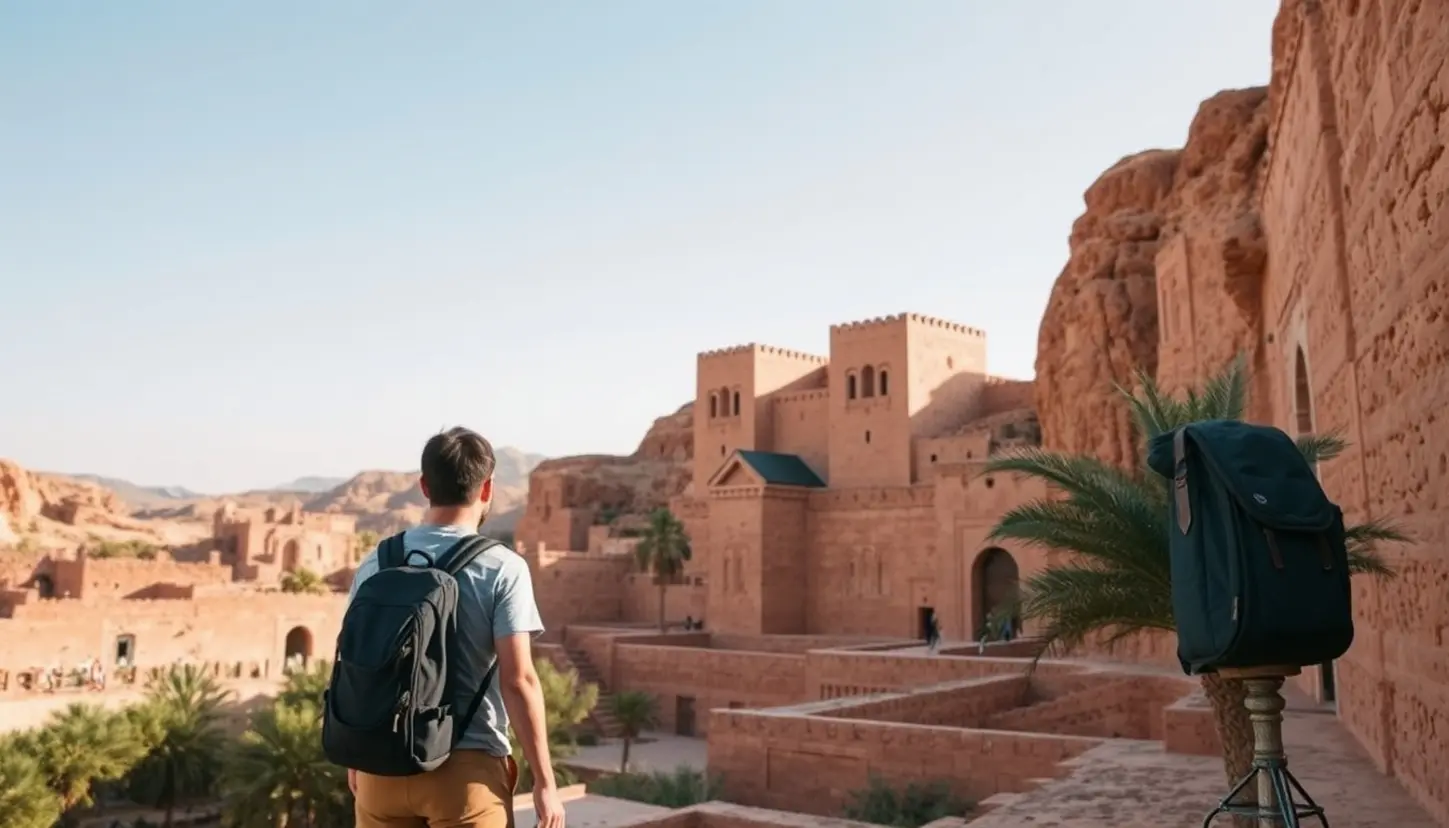
Stepping onto the dusty, sun-baked path leading to the Ait Ben Haddou kasbah feels like walking onto a film set, and for good reason. This ancient fortified village, a spectacular example of traditional Moroccan earthen architecture, has captivated travelers, filmmakers, and historians alike for centuries. Its towering mud-brick structures, intricate patterns, and strategic perch above the Ounila River create a mesmerizing tableau that whispers tales of trade routes, Berber resilience, and a rich history etched into every ochre wall. If you’re yearning to connect with Morocco’s past and witness an architectural marvel that has stood the test of time, then exploring Ait Ben Haddou offers an unforgettable journey into ancient beauty.
Unraveling the Historical Tapestry of the Ksar
The history of Ait Ben Haddou is deeply intertwined with the trans-Saharan trade routes that once linked Marrakech with the Sahara Desert. Caravans laden with gold, salt, and spices would traverse these ancient paths, and Ait Ben Haddou served as a vital stop, a fortified stronghold offering protection and respite. Primarily a communal dwelling (known as a ksar), rather than a single kasbah, it’s a collection of individual kasbahs and homes, all enclosed within defensive walls. Its strategic location on a hillside overlooking the river provided an excellent vantage point against potential attacks, making it a formidable presence in the landscape.
Archaeological evidence suggests that the earliest structures date back to the 11th century, although most of the existing buildings were constructed between the 17th and 18th centuries. The intricate decorative motifs found on many of the towers speak to the skill and artistry of the Berber architects and artisans who built it. The ksar’s lifeblood was the river, providing water for irrigation and sustaining the small community that called this fortified village home. Over centuries, it witnessed the rise and fall of various dynasties, adapting to changing political landscapes while largely retaining its distinct architectural style and communal way of life.
Architectural Wonders: The Unique Design of Ait Ben Haddou
What truly sets Ait Ben Haddou apart is its stunning and incredibly well-preserved example of pre-Saharan earthen architecture. The kasbah is constructed almost entirely from pisé (rammed earth), a traditional building technique using local clay, straw, and water. This method, while seemingly simple, creates incredibly strong and durable structures that are naturally insulated, keeping interiors cool in summer and warm in winter. The sheer scale and complexity of the ksar, with its narrow alleys, towering defensive walls, and multiple storeys, are a testament to the ingenuity of its builders.
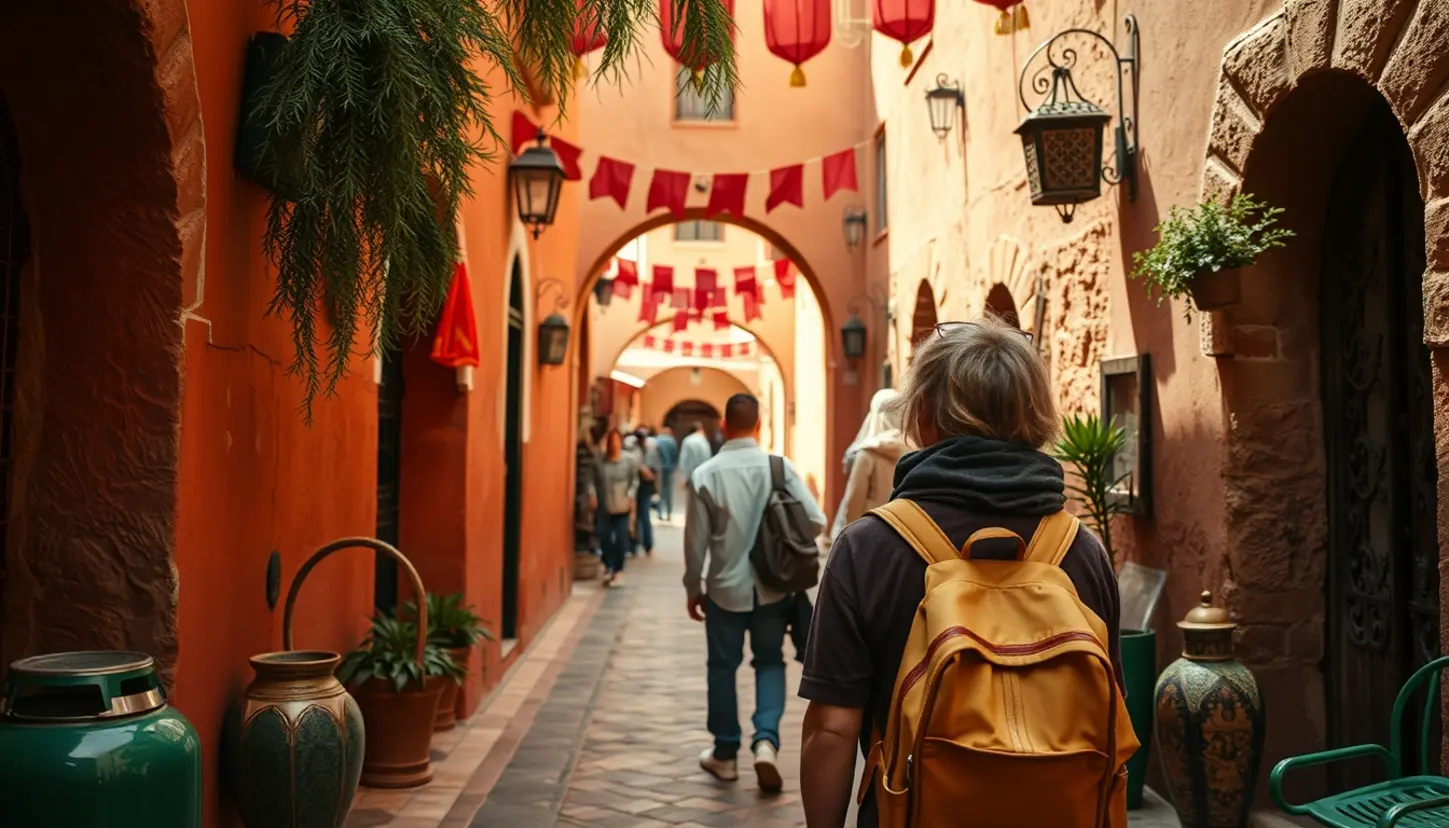
Visitors will find themselves lost in a labyrinth of passageways, discovering hidden courtyards, granaries, and residential dwellings. The prominent corner towers, often adorned with geometric patterns carved into the mud walls, add to the kasbah’s imposing silhouette. Many of these decorations served not just an aesthetic purpose but also as symbolic representations of family lineage or status. The design elements, from the small, strategically placed windows to the flat roofs often used for drying crops or social gatherings, reflect a deep understanding of environmental conditions and communal living. It’s a living museum of sustainable architecture, a true marvel of design born from necessity and local resources.
A Cinematic Backdrop: Ait Ben Haddou’s Stardom
Beyond its historical and architectural significance, Ait Ben Haddou has achieved global fame as a UNESCO World Heritage site and, perhaps more famously, as a premier filming location. Its dramatic appearance, untouched by modern development, offers an authentic backdrop for historical epics and fantasy narratives. The moment you cross the shallow river by stepping stones or a small bridge, you’ll immediately understand why filmmakers are drawn here. The golden hour, with the sun casting long shadows and painting the mudbrick walls in fiery hues, feels inherently cinematic.
Over the decades, Ait Ben Haddou has graced the screens in numerous blockbusters and television series. Think “Lawrence of Arabia,” “Jesus of Nazareth,” “The Mummy,” “Gladiator,” and the highly popular “Game of Thrones,” where it stood in as Yunkai and Pentos. This cinematic legacy has not only brought international recognition but also a steady stream of curious travelers eager to walk in the footsteps of their favorite characters. While it can sometimes feel a bit like a movie set, the sheer authenticity of the place, still home to a handful of families, prevents it from feeling entirely artificial. It’s a compelling blend of reality and silver screen fantasy.
Experiencing Life Within the Ancient Walls
While many residents have moved across the river to more modern dwellings, a small community still lives within the ancient ksar, preserving a way of life that has largely vanished elsewhere. Exploring the kasbah offers unique opportunities to engage with these locals, who often welcome visitors into their homes, transformed into small shops selling handcrafted items like carpets, pottery, and vibrant desert paintings. These interactions offer a deeper insight into Berber culture and hospitality.
Climbing to the very top of the kasbah is a must-do experience. The path, though well-worn, can be steep and uneven in places, but the panoramic views from the summit are utterly breathtaking. From this vantage point, you can gaze across the palm groves of the Ounila River valley, the sprawling new village across the river, and the vast, undulating desert landscape stretching to the horizon. It’s a moment of profound reflection, imagining the caravans arriving, the bustling life within the walls, and the countless generations who have looked out upon the same timeless scene.
Planning Your Visit: Practical Advice for Ait Ben Haddou
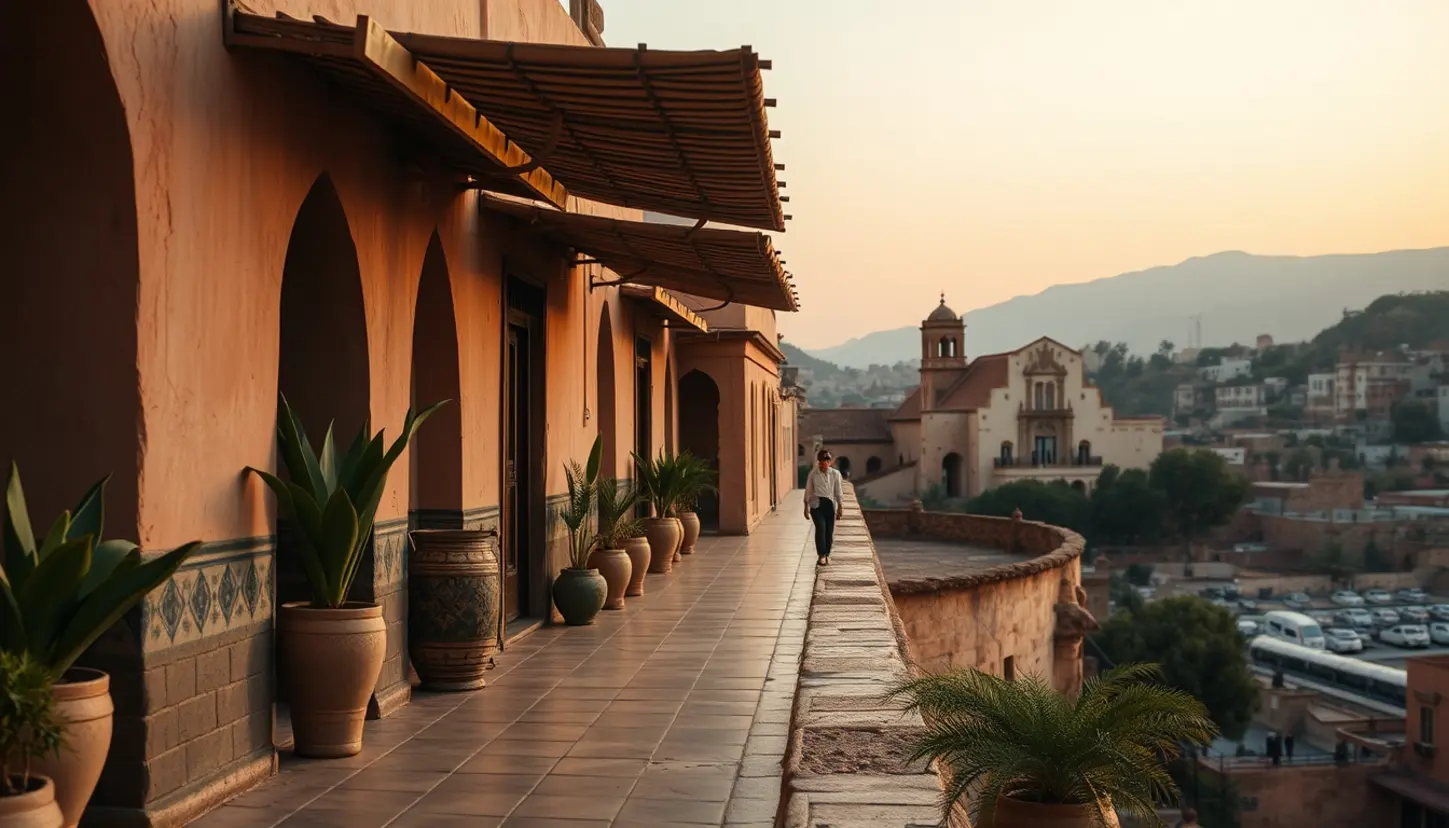
Visiting Ait Ben Haddou requires a bit of planning to make the most of your trip. The ksar is best explored on foot, so comfortable shoes are essential. The paths can be uneven, rocky, and dusty. Give yourself at least 2-3 hours to fully explore the ancient village, climb to the top, and browse the local shops. If you’re passionate about photography, the early morning or late afternoon light creates truly magical conditions, painting the mud walls in a range of warm, golden hues.
Accessing the kasbah involves crossing the Ounila River. During dry seasons, you can usually cross via stepping stones – an adventure in itself! If the river level is higher, particularly after rainfall, there’s a small, makeshift bridge made of sandbags (sometimes a fee is requested for this, a small token to the locals for its upkeep) or a more modern pedestrian bridge further down. Be mindful of the sun; it can be intense, so bring a hat, sunscreen, and plenty of water. While there are small cafes within the kasbah, they are limited. Consider having a meal in the modern village before or after your exploration.
Connecting to the Past: Understanding the Legacy of the Ait Ben Haddou kasbah
The legacy of Ait Ben Haddou is more than just its stunning architecture or cinematic fame; it’s about a connection to a bygone era and the enduring spirit of Berber culture. It represents a way of life that was deeply harmonious with its environment, utilizing local materials and sustainable practices long before the term became fashionable. The kasbah serves as a powerful reminder of Morocco’s rich past, a crossroads of civilizations, and a testament to human adaptability and ingenuity in harsh landscapes.
By walking through its ancient alleys, you are tracing the steps of merchants, warriors, and families who once called this place home. You’re witnessing a living piece of Ait Ben Haddou history, a marvel preserved despite the ravages of time and the elements. It’s a place that fosters contemplation about how architecture, culture, and nature intertwine to create something truly magnificent and enduring. Taking the time to absorb its atmosphere, rather than just rushing through, allows you to truly feel its pull.
Beyond the Walls: Excursions and Nearby Treasures
While Ait Ben Haddou is undoubtedly the star attraction, its surrounding region in the Ouarzazate province offers further opportunities for exploration. Most travelers combine a visit to Ait Ben Haddou with Ouarzazate itself, known as the “Gateway to the Sahara” and home to major film studios where many of its famous movies were produced. You can take studio tours and see sets from various productions.
For those with more time, venturing further into the Draa Valley south of Ouarzazate will lead you through a stunning oasis landscape dotted with date palms and more ancient kasbahs, offering a glimpse into a less-traveled part of Morocco. Alternatively, the journey to or from Marrakech often involves crossing the Tizi n’Tichka Pass through the High Atlas Mountains, a dramatic scenic drive with breathtaking views and charming Berber villages clinging to hillsides. Including these stops can enhance your overall experience, transforming a visit to Ait Ben Haddou into a broader exploration of Southern Morocco’s rugged beauty and cultural depth.
Final Reflections on a Timeless Moroccan Relic
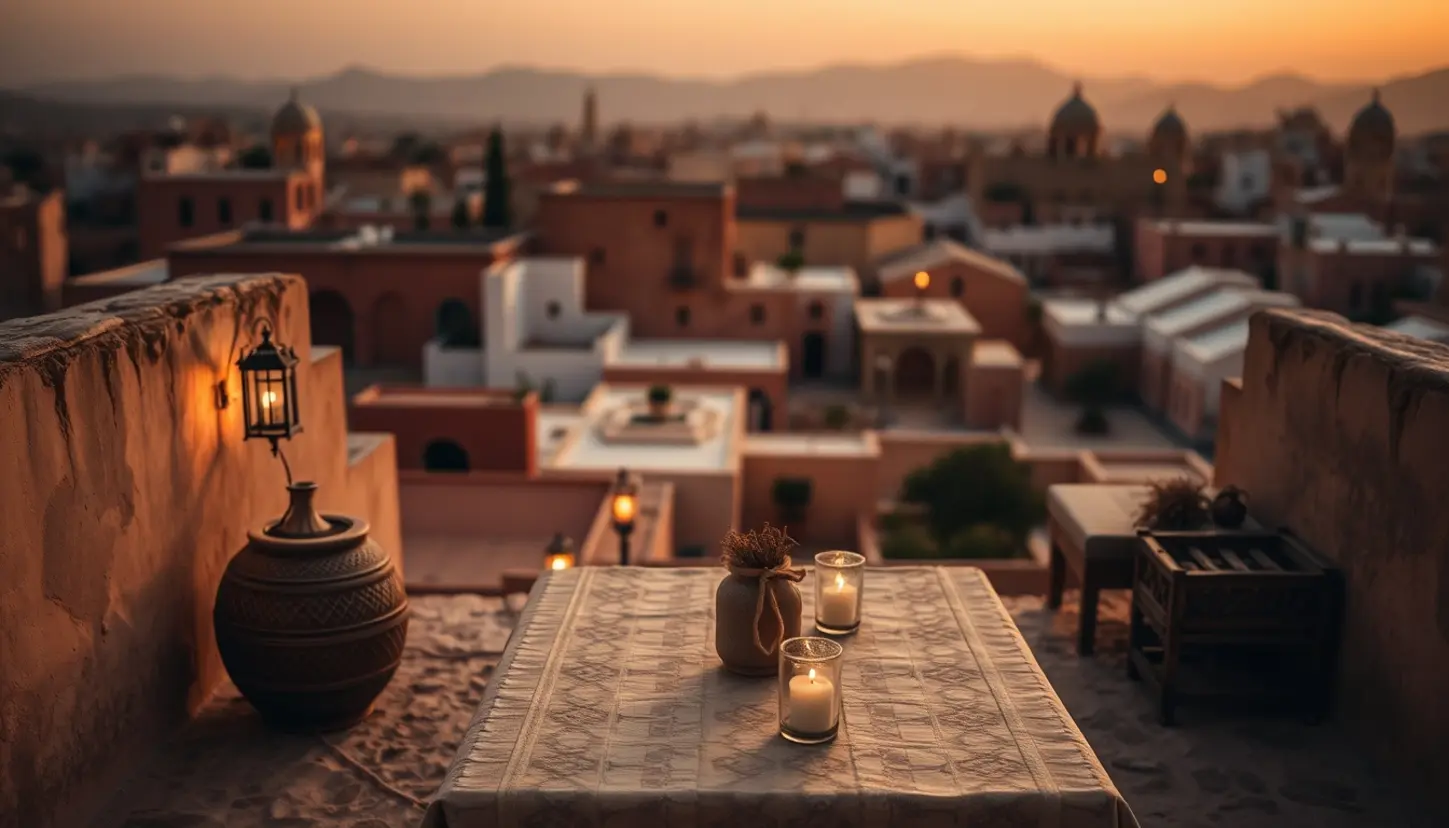
As the sun dips below the horizon, casting the Ait Ben Haddou kasbah in a final, fiery glow, it’s easy to feel transported. This isn’t just a collection of old buildings; it’s a monumental sculpture carved from the earth itself, a silent storyteller of trade, resilience, and art. The ancient beauty of Ait Ben Haddou isn’t just visual; it’s an immersive experience that engages all your senses – the smell of dust and sun-baked earth, the feel of weathered stone beneath your fingers, and the echoes of a past that still faintly reverberates through its hallowed halls. It’s a destination that leaves an indelible mark, reminding us of the profound beauty and enduring legacy of Morocco’s ancient heart.
Conclusion
Visiting the Ait Ben Haddou kasbah is more than just a sightseeing trip; it’s an immersive journey into Morocco’s rich history and architectural heritage. Its ancient beauty, cinematic allure, and the lingering spirit of its past inhabitants make it an essential stop for any traveler seeking an authentic and breathtaking experience in Morocco. This magnificent ksar truly stands as a timeless testament to human ingenuity and the enduring beauty of traditional Berber culture.
FAQs
What is the best time of year to visit Ait Ben Haddou?
The best time to visit Ait Ben Haddou is during the spring (March to May) and autumn (September to November) months. During these periods, the weather is pleasantly warm, making it comfortable for exploring the ksar and its surroundings. Summers (June to August) can be extremely hot, with temperatures often exceeding 40°C (104°F), while winters (December to February) are cooler, especially at night, but generally mild and sunny during the day.
How much time should I allocate for a visit to Ait Ben Haddou?
To fully explore the Ait Ben Haddou kasbah and climb to the panoramic viewpoint at the top, you should allocate at least 2 to 3 hours. This allows ample time to wander through the alleys, browse local craft shops, take photos, and soak in the atmosphere without feeling rushed. If you plan to have a meal in the modern village or visit nearby attractions like Ouarzazate, you’ll need more time.
Are there any entrance fees for Ait Ben Haddou?
There is no official entrance fee for the Ait Ben Haddou kasbah itself, as it is a UNESCO World Heritage site and a living village. However, you might encounter locals asking for small fees to cross certain bridges (especially temporary ones over the river), to enter specific towers or private homes that have been converted into small museums or shops. These fees are generally nominal and help support the local community and the upkeep of the ksar.
Can I stay overnight in Ait Ben Haddou?
Yes, you can. While most of the ancient ksar is residential or consists of small shops, there are a few guesthouses and auberges in the new, modern village across the river, as well as some even within the ancient kasbah itself that have been meticulously restored. Staying overnight allows you to experience the ksar at sunset and sunrise, when the light is most dramatic and the crowds are minimal, offering a truly magical and peaceful experience.



 Covers cities, coast, mountains, desert & food