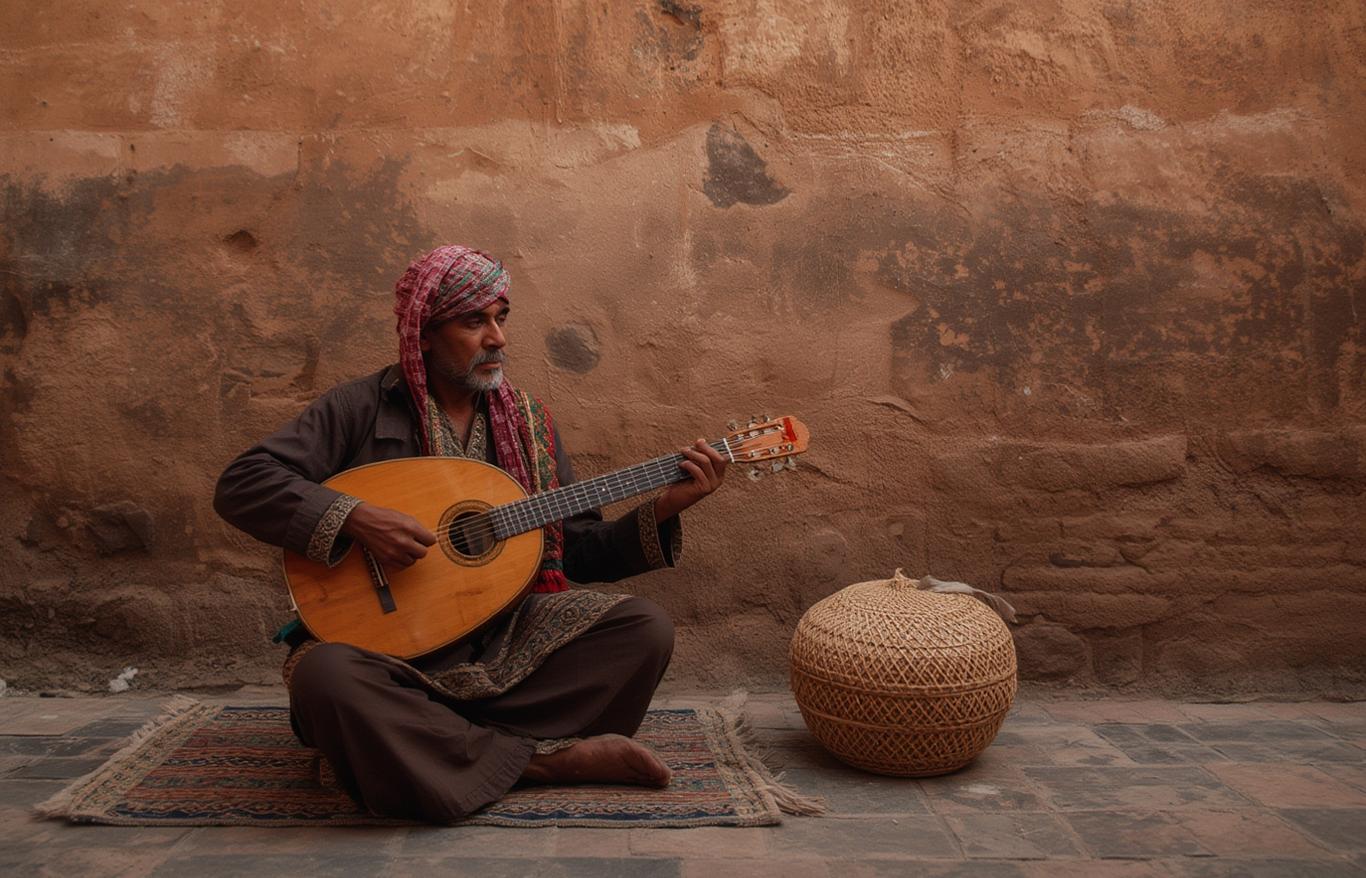
Stepping into Rabat, Morocco’s elegant capital, isn’t just a feast for the eyes with its ancient kasbahs and royal palaces; it’s also an auditory journey. The city is a vibrant tapestry woven with the soulful threads of traditional Moroccan music, offering an authentic glimpse into the nation’s rich cultural heart. For travelers seeking more than just sights, discovering traditional music in Rabat provides a truly immersive and unforgettable experience. From the pulsating rhythms of Gnawa to the intricate melodies of Andalusian orchestras, Rabat serves as a vital hub where these ancient sounds echo through bustling souks and serene gardens alike. This article will guide you through where and how to experience the captivating world of traditional music in Rabat, ensuring your visit resonates with the true spirit of Morocco.
The Enduring Legacy of Moroccan Soundscapes in Rabat
Rabat’s musical heritage is as deep and layered as its history. For centuries, traditional music has played a central role in Moroccan life, accompanying celebrations, spiritual ceremonies, and daily routines. In Rabat, you can witness this living tradition firsthand. The city, with its blend of historical grandeur and contemporary vibrancy, has preserved various musical forms, often giving them a modern stage while respecting their ancient roots. Unlike some other Moroccan cities that might be known for one dominant style, Rabat showcases a beautiful diversity. You’ll find everything from the rhythmic trances of Gnawa, inherited from sub-Saharan African traditions, to the refined orchestrations of Malhoun and the poetic expressions of Aita. Each genre tells a piece of Morocco’s story, reflecting its diverse ethnic influences and spiritual depth. Understanding this rich tapestry is key to truly appreciating traditional music in Rabat.
Where to Catch Authentic Traditional Music in Rabat
Experiencing traditional music in Rabat isn’t always about formal concert halls – although those exist too! Often, the most authentic encounters happen in unexpected places. Begin your search in the Medina, particularly around the Oudaïa Kasbah. As dusk settles, you might hear the melancholic strumming of a guembri or the call-and-response chants of a small Gnawa group practicing. Local cafes, especially those with an older clientele, sometimes host impromptu musical evenings. Look for places where locals gather for tea and conversation, as live music often accompanies these social rituals. Cultural centers, like the French Institute or the Goethe-Institut, occasionally host concerts featuring traditional Moroccan musicians, offering a more structured setting. Additionally, keep an eye out for local festivals and moussems (religious festivals), which are prime opportunities to witness larger musical ensembles and energetic performances.
Delving into Gnawa Music in Rabat: A Rhythmic Spiritual Journey
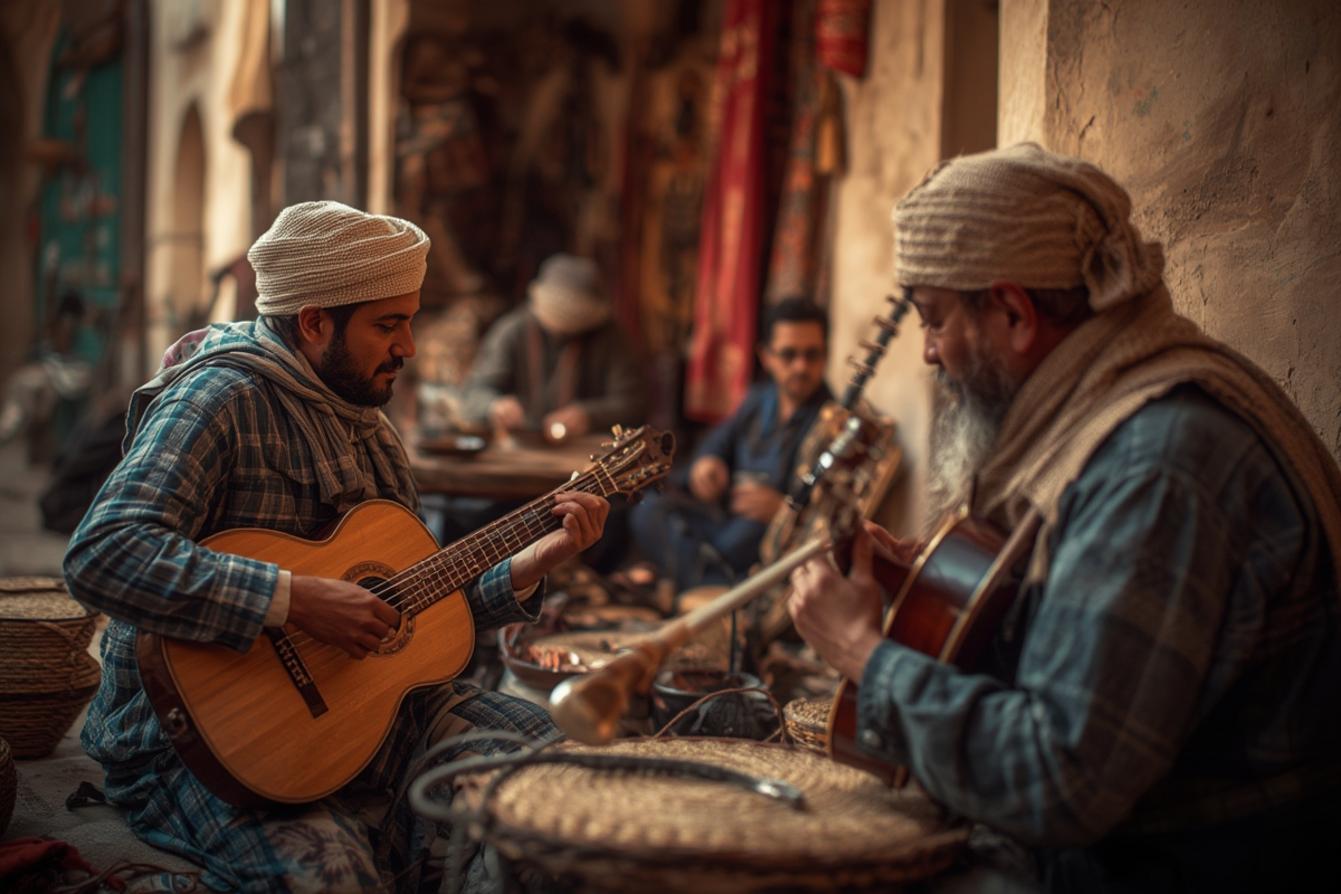
One of the most captivating forms of traditional music you’ll encounter in Rabat is Gnawa. Originating from the descendants of sub-Saharan slaves, Gnawa music is a profound spiritual tradition, renowned for its hypnotic rhythms, deep basslines played on the guembri, and resonant metal qarqab castanets. It’s more than just music; it’s a ceremonial experience, often performed during Lila (night) rituals aimed at healing and spiritual cleansing.
While the city of Essaouira is famously the heartland of Gnawa, Rabat has its own vibrant Gnawa scene. You might stumble upon street performers in the bustling areas of the Medina or near Bab Chellah. However, for a deeper immersion, seek out specific venues or cultural events dedicated to this genre. Several youth cultural centers and private foundations in Rabat periodically host Gnawa performances or workshops. It’s an experience that transcends mere entertainment; it’s an invitation to connect with a powerful spiritual lineage through sound. The rhythmic intensity and the chanting are incredibly potent, often leading performers and audience members into states of trance. To truly understand the spiritual depth of Gnawa music Rabat offers, attending a dedicated performance where the full ceremony is observed is highly recommended.
Andalusian Classical Music: Rabat’s Melodic Elegance
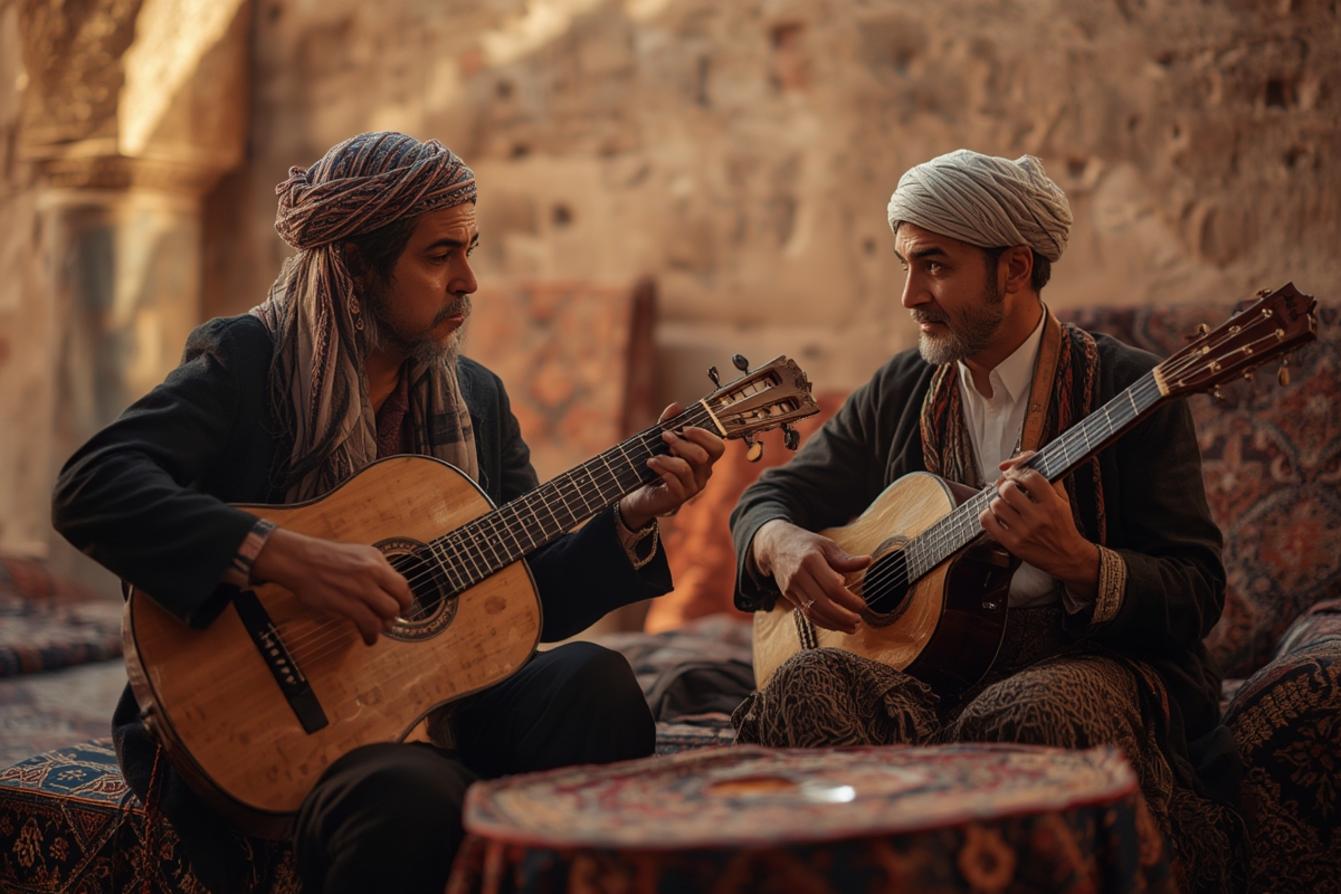
In stark contrast to the raw power of Gnawa, Rabat is also a significant center for Andalusian classical music, known locally as Al-Âla. This highly sophisticated musical form traces its origins back to medieval Islamic Spain and was brought to Morocco by refugees from Andalusia. It is characterized by complex poetic lyrics, intricate melodic structures played on instruments like the oud (lute), rabab (spike fiddle), and kamanja (violin), and a refined, stately tempo.
Rabat’s conservatory and various cultural associations are dedicated to preserving and promoting Andalusian music. Attending a performance is like stepping back in time to the golden age of Islamic Iberia. The music often evokes a sense of nostalgia, beauty, and intellectual depth. While not as outwardly energetic as Gnawa, the subtle nuances and emotional intensity of Andalusian music are profoundly moving. Keep an eye on local cultural calendars for concerts by established orchestras or student ensembles. These performances are typically held in more formal settings, such as theaters or grand halls, providing an elegant backdrop for this refined art form.
Experiencing Local Festivities and the Sounds of the Street
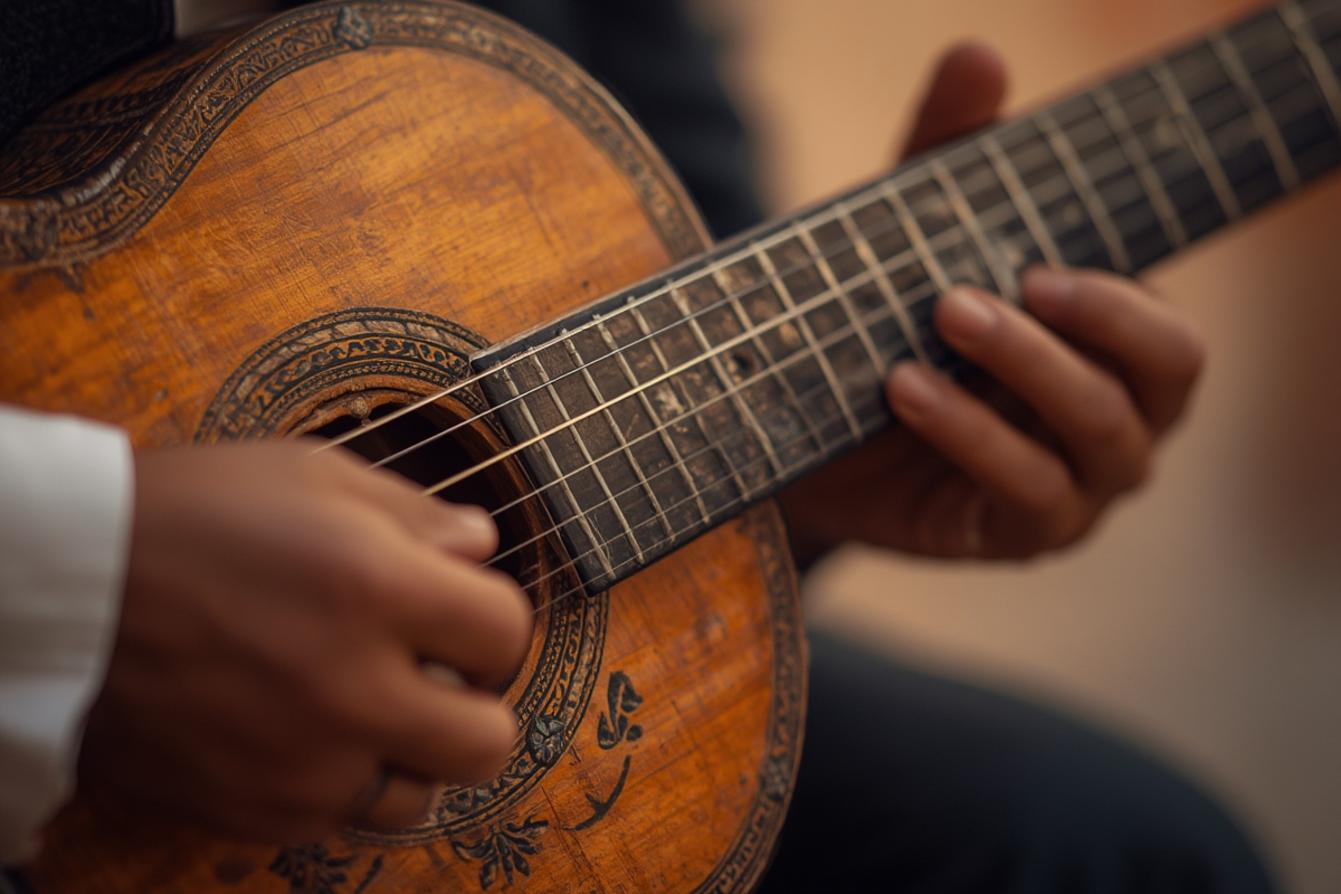
Beyond specific genres, traditional music in Rabat comes alive during local celebrations and simply by strolling through its vibrant streets. During national holidays, religious festivals like Eid al-Adha, or even local wedding celebrations, the city often erupts with music. You might hear small groups playing Aita – a popular folk genre characterized by powerful female vocalists and lively percussion – filling the air with infectious energy. Street musicians, often playing a variety of traditional instruments, add to the city’s unique soundscape. While some may be performing for tourists, many are genuinely sharing their passion for music.
Engaging with these street performers offers a spontaneous and accessible way to experience traditional music. A small tip is always appreciated and encourages the artists to continue sharing their craft. Look for musicians congregating near the major gates of the Medina, around the Hassan Tower, or in the gardens of the Oudaïa Kasbah. These informal settings provide a direct and unfiltered encounter with the living musical traditions of Rabat. Remember, sometimes the most memorable musical encounters are the ones you least expect, unfolding organically in the rhythm of daily Moroccan life.
Bringing Home the Rhythms: Souvenirs and Workshops
For those truly captivated by the sounds of Morocco, experiencing traditional music in Rabat can extend beyond just listening. Consider purchasing a traditional instrument as a souvenir, perhaps a small bendir (frame drum) or a decorative qarqab. Many artisan shops in the Medina offer these instruments, and the shopkeepers are often happy to share a demonstration or explain their significance.
For a more hands-on experience, inquire about local music workshops. While less common for short-term visitors, some cultural centers or private music schools occasionally offer introductory sessions on playing traditional instruments or understanding Moroccan rhythms. This can be an incredibly rewarding way to deepen your appreciation and bring a piece of Morocco’s musical soul home with you. Visiting traditional music Rabat events and venues allows for great opportunities to purchase souvenirs or learn more about these instruments.
Conclusion
Rabat offers a rich and diverse soundscape for any traveler eager to explore the depths of Moroccan culture. From the ancient spiritual trance of Gnawa to the elegant melodies of Andalusian classical music and the vibrant folk tunes of the street, traditional music in Rabat provides an unforgettable auditory journey. By seeking out performances, engaging with local musicians, and simply allowing the city’s rhythms to guide you, you’ll leave with a profound appreciation for Morocco’s musical heritage. So, tune your ears, open your heart, and let the authentic rhythms of Rabat enchant your senses.
FAQs
What types of traditional music can I expect to hear in Rabat?
Rabat is unique for its diverse musical landscape. You can expect to hear the powerful, spiritual rhythms of Gnawa, the refined and melodic beauty of Andalusian classical music (Al-Âla), and various forms of Moroccan folk music like Aita, characterized by lively singing and percussion.
Where are the best places to experience traditional music in Rabat?
Authentic traditional music in Rabat can be found in various settings. Look for street performers in the Medina and around the Oudaïa Kasbah. Cultural centers like the French Institute or local youth associations often host concerts. Keep an eye out for local festivals and moussems, which frequently feature traditional musical performances.
Is Gnawa music popular in Rabat, or is it more associated with other cities?
While Essaouira is often hailed as the capital of Gnawa music, Rabat definitely has a strong and active Gnawa scene. You can find street performers and dedicated spiritual ceremonies (Lilas) throughout the city, offering a profound experience of this rhythmic, spiritual music.
Can travelers participate in traditional music experiences in Rabat, such as workshops?
While formal, short-term workshops for tourists might be less common, it’s worth inquiring at cultural centers or private music schools in Rabat. You can often learn a great deal by interacting with local musicians, watching performances, and even purchasing traditional instruments as souvenirs from artisan shops in the Medina.




 Covers cities, coast, mountains, desert & food